Cities Over 100 Degrees & States that set Heat records In March
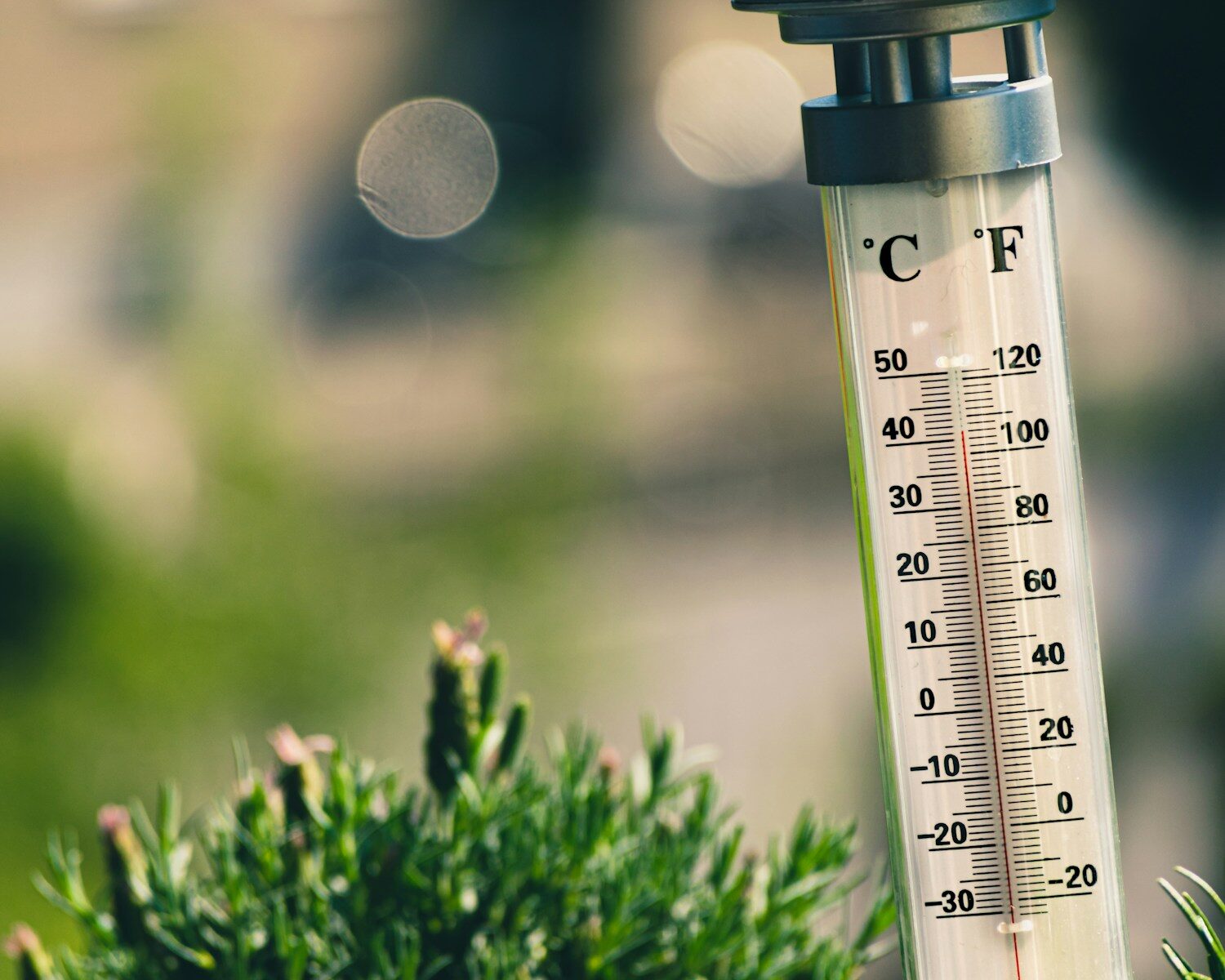
Seventeen states reached all-time high temperatures in March. When smaller cities and towns are included, the number of record-breaking locations stretches into the hundreds — and climatologists had nothing in their models that would have predicted it.
Is the world getting warmer? Yes. But in most places, temperatures are rising by only a fraction of a degree each year. In fact, the region heating up fastest is the Arctic. According to PBS, a new study found that the Arctic has warmed nearly four times faster than the rest of the world over the past 43 years, leaving it roughly 3°C warmer on average than it was in 1980.
Setting aside regional variation, parts of the American West saw temperatures as much as 30°F above normal in March. On March 20, Climate Central reported that a prolonged heat wave would push temperatures 20–30°F above normal across much of the western U.S., with dozens of daily and all-time March records expected — including the earliest 100°F temperatures ever recorded.
Despite the wealth of science aimed at explaining climate phenomena, the cause of this massive U.S. heat wave remains poorly understood. NBC News reported that Jennifer Brady, a senior data analyst at Climate Central, described the heat wave’s widespread footprint and duration as an outlier “even with what we’re experiencing now with climate change and what a lot of people refer to as our new normal, or our new baseline.” There is no clear explanation for why, around the same time the West was sweltering, New York City recorded a wind chill of -14°F in late February.
The record heat in the West brought two compounding dangers. First, 2026 has been one of the driest years on record to date. The New York Times reported at the end of March that no measurable rain had yet been recorded that month in downtown Los Angeles — a pattern repeated across places as far apart as Phoenix and Washington state.
Beyond the threat to human health, extreme heat and drought conditions dramatically increase wildfire risk. According to the National Interagency Fire Center, by March 27, wildfires had burned 1,510,973 acres across 15,436 fires — compared to the ten-year average for this period of 664,792 acres and 9,195 fires.
To identify cities that reached 100°F in March, we drew on reporting and data from Weather.com, Underground Weather, Yahoo News, CNN, Fox Weather, Phys, USNews, Yale Climate Connections, and The Guardian.
It is worth noting that nearly all of the cities on this list are clustered in and around the Phoenix metropolitan area in Arizona.

Cities That Reached 100°F in March
- Phoenix, Arizona (pop. ~1.65 million) — including a streak of eight consecutive days above 100°F
- Mesa, Arizona (pop. ~520,000)
- Chandler, Arizona (pop. ~280,000)
- Gilbert, Arizona (pop. ~270,000)
- Glendale, Arizona (pop. ~250,000)
- Scottsdale, Arizona (pop. ~240,000)
- Tempe, Arizona (pop. ~180,000)
- Peoria, Arizona (pop. ~90,000)
- Tucson, Arizona (pop. ~550,000)
- Yuma, Arizona (pop. ~104,000)
States That Set All-Time March Temperature Records
- Arizona — 112°F
- California — 108°F
- Texas — 108°F
- Nevada — 106°F
- Oklahoma — 106°F
- Kansas — 104°F
- New Mexico — 103°F
- Colorado — 99°F
- Nebraska — 99°F
- Utah — 98°F
- Missouri — 97°F
- South Dakota — 97°F
- Iowa — 96°F
- Illinois — 94°F
- Wyoming — 90°F
- Minnesota — 88°F
- Idaho — 86°F