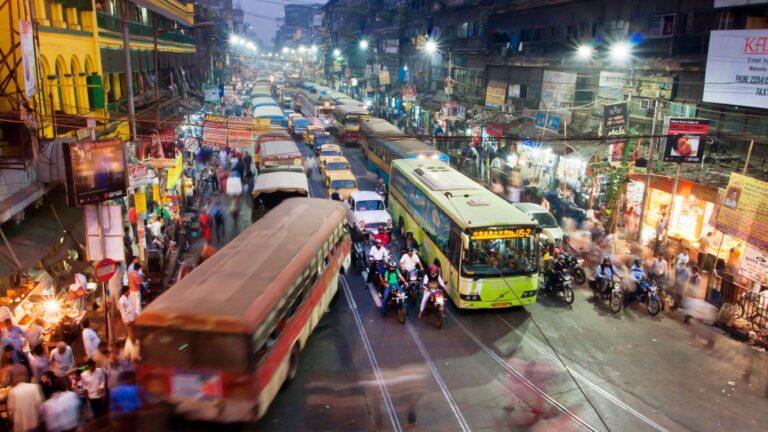
Cities Where Winter Is Getting Longer
Meteorological winter, as defined by weather organizations like NOAA, runs from December 1 through the last day of February. Astronomical winter, based on the solstices, runs from December 21 through March 20. The Mount Washington Observatory notes that “the main reason we have seasons that start almost a month before astronomical seasons is because of temperature — average temperatures are colder in December, January, and February rather than January, February, and March.”
Climate Central takes yet another approach. In its new research paper, “Shorter Winters in 195 U.S. Cities,” the organization defines winter as the coldest days of the year, then compares two periods: 1970–1997 and 1998–2025, across 245 cities. The conclusion: winters have gotten shorter in 80% of those cities, shrinking by an average of nine days. In many cities, winter also arrived later and ended earlier in the more recent period.
A small number of cities bucked this trend, largely for a single reason. About 37 cities — 15% of those analyzed — saw winters grow longer, particularly along the California coast and in the Ohio Valley.
But a longer or shorter winter doesn’t necessarily mean a milder one. New York City piled up record snow this year and saw several days with wind chills well below zero; nighttime temperatures this week are forecast to dip below 15°F. Commenting on the Climate Central data, Matthew Barlow, professor of climate science at the University of Massachusetts Lowell, told The Guardian: “A shorter winter doesn’t mean no winter. Another important piece of this research is that we expect greater precipitation intensity as the climate warms.” In other words, winter will still make itself felt.
California is a striking example of the disconnect between winter’s length and its temperatures. Los Angeles is expected to reach 89°F during the week of March 13. According to Yahoo News, nearly 15 million people across Southern California — from San Luis Obispo through Los Angeles and into San Diego — faced moderate to major heat risk, levels two and three out of four, according to the National Weather Service.
The cities with longer winters were largely clustered in a few regions. Eight of the top ten were in California. The State of California attributes this partly to coastal upwelling — a wind-driven process that brings deep, cold, nutrient-rich water to the surface — which may be buffering those areas from broader warming trends.
The Climate Central analysis drew on data from NOAA’s Regional Climate Centers Applied Climate Information System. Climate Central is an independent organization of scientists.
Cities with Longer Winters
Ranked by change in days (descending); all 37 cities from the dataset
| City | Change (Days) |
|---|---|
| Eureka, CA | +50 |
| Monterey, CA | +46 |
| Los Angeles, CA | +15 |
| Bakersfield, CA | +10 |
| Harrisonburg, VA | +9 |
| San Diego, CA | +9 |
| Sacramento, CA | +8 |
| Eugene, OR | +8 |
| Palm Springs, CA | +7 |
| Stockton, CA | +7 |
| San Jose, CA | +7 |
| Parkersburg, WV | +6 |
| Bend, OR | +6 |
| Jackson, TN | +5 |
| Greenville, MS | +5 |
| Terre Haute, IN | +5 |
| Seattle • Tacoma, WA | +5 |
| Portland, OR | +4 |
| Lima, OH | +4 |
| Charleston, WV | +3 |
| Florence, SC | +3 |
| Yuma • El Centro, AZ | +3 |
| Huntington, WV | +3 |
More from ClimateCrisis 247
- Cities Where Americans Have the Highest Water Bills
- New Documents Add to Evidence in Climate Deception Case Against ExxonMobil
- The 10 Most Sustainable Countries In The World
- States Where Tax Payers Will Pay The Most for Rising Sea Levels