Countries Least Prepared – and Least Responsible – For Climate Change
Average global temperatures have been rising at an alarming rate for decades. According to the World Meteorological Organization, the last 11 years all rank among the 11 hottest years on record. This warming trend shows no signs of slowing, and the ecological consequences are becoming clearer with each passing year. In much of the world, higher temperatures are expected to lead to sea-level rise and more frequent and intense natural disasters, including floods, droughts, hurricanes, and wildfires.
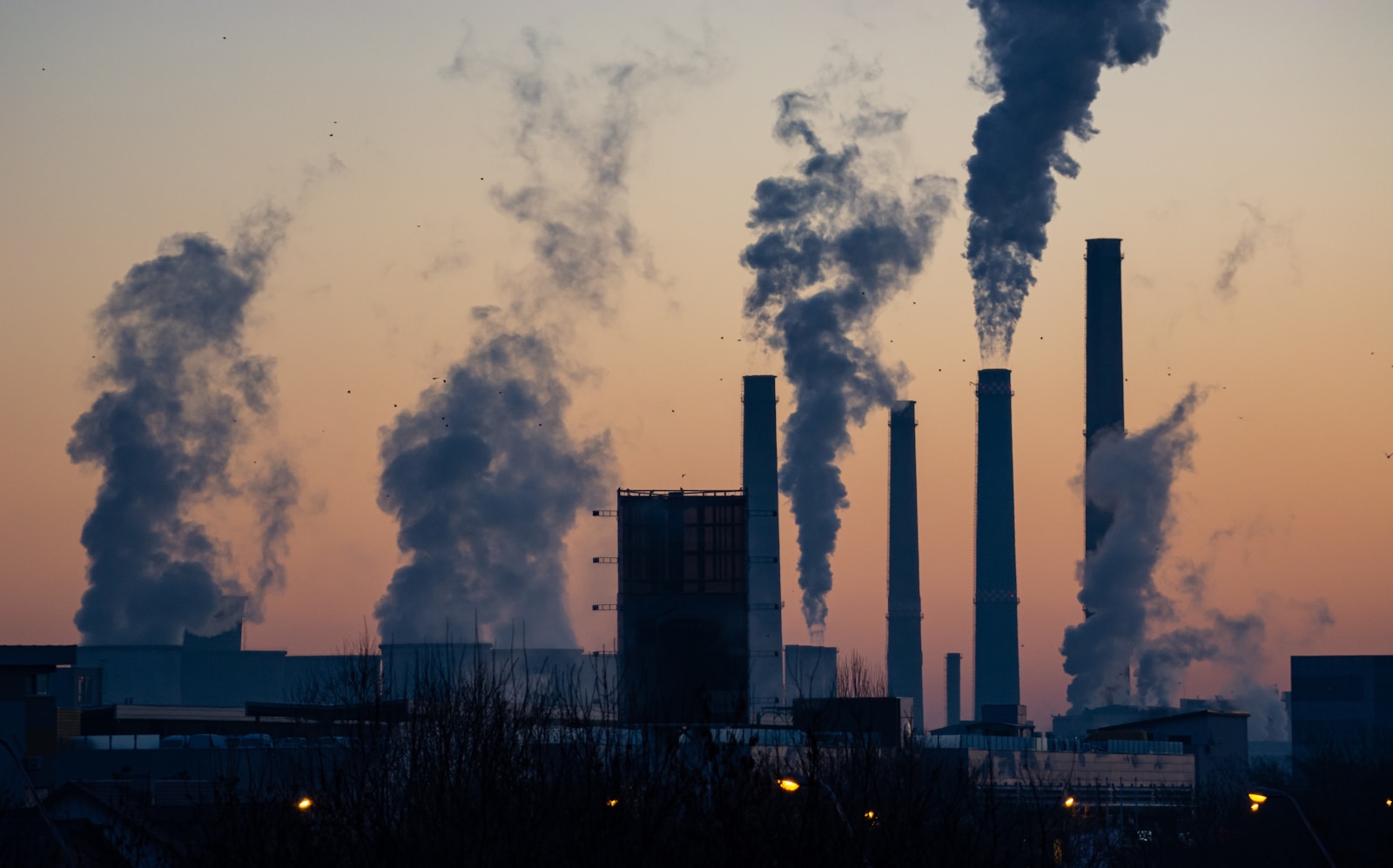
The global warming phenomenon is inextricably linked to the burning of fossil fuels, such as oil, natural gas, and coal. These energy sources powered the industrial revolution and remain the life-blood of economic development around the world – but the emissions they release have accumulated in the Earth’s atmosphere, trapping heat and dramatically altering the climate.
If, as predicted, temperatures continue to rise in the coming decades, climate change will become an increasingly destabilizing force, and no corner of the globe will be left untouched – even those places that did little or nothing to contribute to the looming crisis.
Carbon dioxide, a greenhouse gas found in fossil fuel emissions, has been a leading driver of climate change. According to the World Bank, nearly 1.5 trillion tons of carbon were released into the Earth’s atmosphere between 1970 and 2024 – and the bulk of those emissions were generated by only a handful of highly-developed countries. The United States and China, for example, are responsible for nearly 40% of global carbon emissions over the last 55 years.
For many lower-income countries in the developing world, meanwhile, fossil fuel consumption and greenhouse gas emissions have been negligible. Many of these same places are also home to large populations who feel the least prepared for the worst effects of climate change.
Using data from the report International Public Opinion on Climate Change: Extreme Weather and Vulnerability, Climate Crisis 247 identified the countries that are least responsible, and least prepared, for climate change. The report polled adults in 73 low-income countries and territories with below-average carbon emissions on several aspects of climate change – including how prepared they feel for any extreme weather events they might experience. This ranking is based on the share of adults in surveyed countries who said their household is either “not at all prepared” or “not that prepared” for extreme weather events they might experience. We listed the 10 countries with the lowest per-capita carbon emissions where at least 50% of adults feel unprepared or underprepared for extreme weather. All supplemental data on gross domestic product, carbon emissions, and population are from the World Bank and are current as of 2024.
The 10 countries on this list are spread across Africa, Asia, Europe, and the Americas. Among these places, annual per capita carbon emissions range from 1.8 tons down to just 0.4 tons. For context, average per capita emissions are about 4.7 tons per year globally. Despite being home to about 3.6% of the world population, these countries account for only 0.6% of total annual carbon emissions. In these same countries, anywhere from 17% to 36% of the population do not feel at all prepared for extreme weather events, and as many as 41% feel meaningfully underprepared.
10. Cameroon
- Household preparedness for extreme weather events: 22% not at all prepared, 28% underprepared
- Per capita carbon emissions in 2024: 0.4 tons
- Total carbon emissions in 2024: 10.3 million tons (0.03% of global emissions)
- Gross domestic product, 2024: $53.3 billion ($1,830 per capita)
- Total population: 29,123,744 (0.4% of global population)
9. Nicaragua
- Household preparedness for extreme weather events: 19% not at all prepared, 32% underprepared
- Per capita carbon emissions in 2024: 0.8 tons
- Total carbon emissions in 2024: 5.7 million tons (0.01% of global emissions)
- Gross domestic product, 2024: $19.7 billion ($2,848 per capita)
- Total population: 6,916,140 (0.1% of global population)
8. Côte d’Ivoire
- Household preparedness for extreme weather events: 27% not at all prepared, 27% underprepared
- Per capita carbon emissions in 2024: 0.6 tons
- Total carbon emissions in 2024: 18.8 million tons (0.05% of global emissions)
- Gross domestic product, 2024: $87.1 billion ($2,728 per capita)
- Total population: 31,934,230 (0.4% of global population)
7. Bangladesh
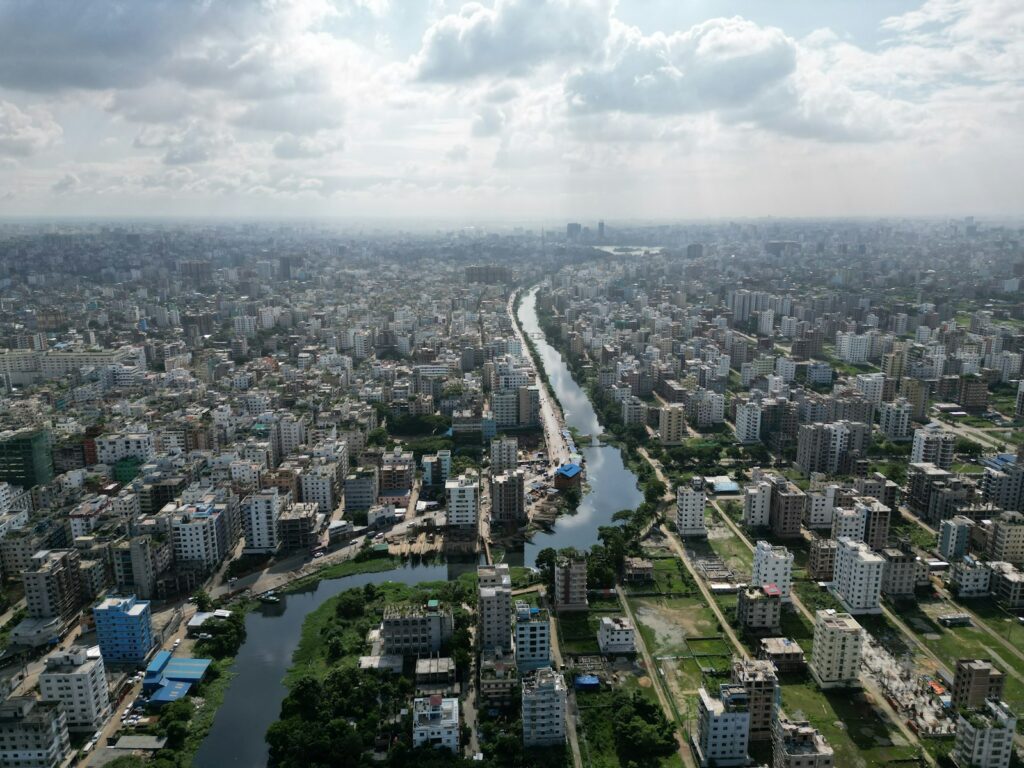
- Household preparedness for extreme weather events: 17% not at all prepared, 41% underprepared
- Per capita carbon emissions in 2024: 0.7 tons
- Total carbon emissions in 2024: 124.2 million tons (0.3% of global emissions)
- Gross domestic product, 2024: $450.1 billion ($2,593 per capita)
- Total population: 173,562,364 (2.1% of global population)
6. Paraguay
- Household preparedness for extreme weather events: 29% not at all prepared, 31% underprepared
- Per capita carbon emissions in 2024: 1.2 tons
- Total carbon emissions in 2024: 8.0 million tons (0.02% of global emissions)
- Gross domestic product, 2024: $44.5 billion ($6,416 per capita)
- Total population: 6,929,153 (0.1% of global population)
5. Costa Rica
- Household preparedness for extreme weather events: 26% not at all prepared, 38% underprepared
- Per capita carbon emissions in 2024: 1.6 tons
- Total carbon emissions in 2024: 8.4 million tons (0.02% of global emissions)
- Gross domestic product, 2024: $95.4 billion ($18,587 per capita)
- Total population: 5,129,910 (0.1% of global population)
4. Albania
- Household preparedness for extreme weather events: 34% not at all prepared, 31% underprepared
- Per capita carbon emissions in 2024: 1.8 tons
- Total carbon emissions in 2024: 4.2 million tons (0.01% of global emissions)
- Gross domestic product, 2024: $27.0 billion ($11,378 per capita)
- Total population: 2,377,128 (0.03% of global population)
3. Guatemala
- Household preparedness for extreme weather events: 33% not at all prepared, 33% underprepared
- Per capita carbon emissions in 2024: 1.1 tons
- Total carbon emissions in 2024: 20.4 million tons (0.1% of global emissions)
- Gross domestic product, 2024: $113.2 billion ($6,150 per capita)
- Total population: 18,406,359 (0.2% of global population)
2. Honduras
- Household preparedness for extreme weather events: 34% not at all prepared, 32% underprepared
- Per capita carbon emissions in 2024: 1.1 tons
- Total carbon emissions in 2024: 12.3 million tons (0.03% of global emissions)
- Gross domestic product, 2024: $37.1 billion ($3,426 per capita)
- Total population: 10,825,703 (0.1% of global population)
1. El Salvador
- Household preparedness for extreme weather events: 36% not at all prepared, 36% underprepared
- Per capita carbon emissions in 2024: 1.5 tons
- Total carbon emissions in 2024: 9.5 million tons (0.02% of global emissions)
- Gross domestic product, 2024: $35.4 billion ($5,580 per capita)
- Total population: 6,338,193 (0.1% of global population)
More from ClimateCrisis 247
- Cities Where Americans Have the Highest Water Bills
- New Documents Add to Evidence in Climate Deception Case Against ExxonMobil
- The 10 Most Sustainable Countries In The World
- States Where Tax Payers Will Pay The Most for Rising Sea Levels