Grain of Climate Truth! Warming leads to Japan Rice Crisis, with Controversial GMO eyed as cure
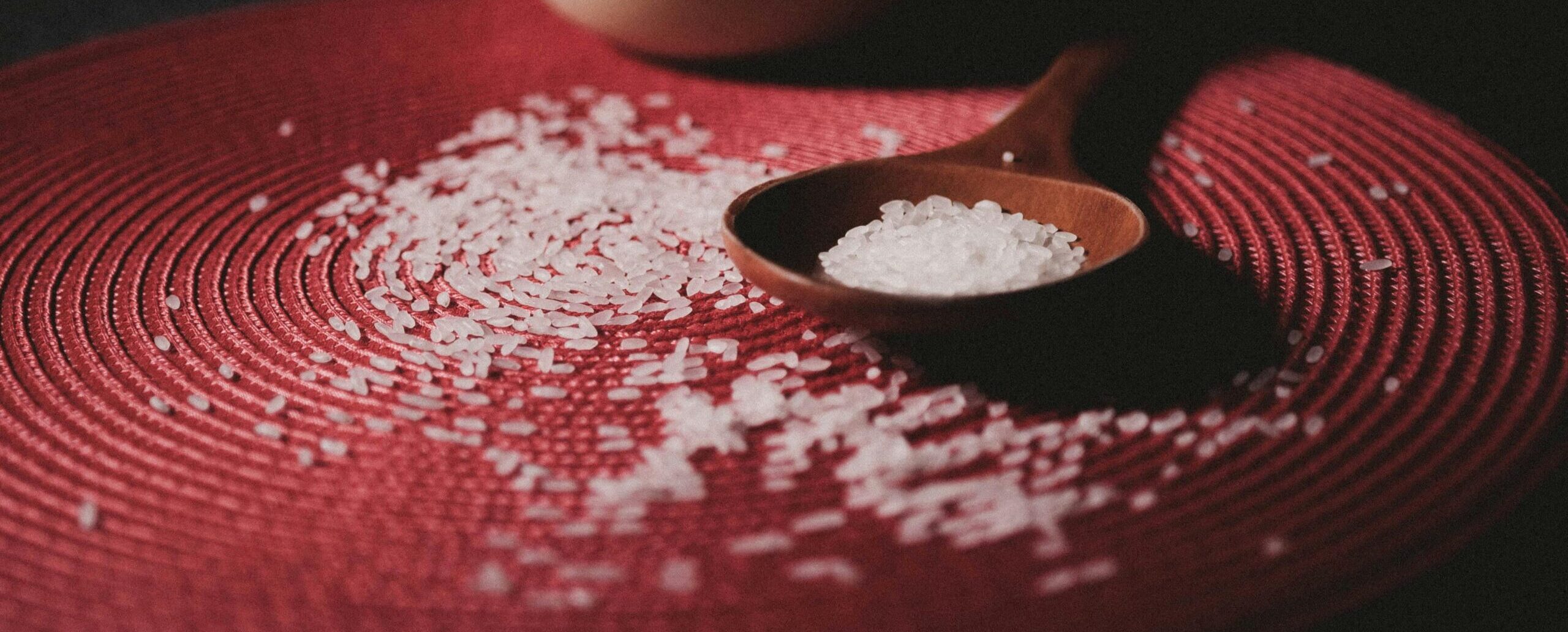
Climate change is ruining the rice variety used most often in Japan, creating a conundrum as how to deal with the crisis.
The rice type, Koshihikari, also used in food in the U.S. and Australia, can easily be ruined if temperatures are out of kilter, leading to crop failures. It was created in 1956 by combining the strains of Nourin No.1 and Nourin No.22s.
READ MORE ABOUT CLIMATE CHANGE’S EFFECT ON AGRICULTURE
The World Is Running Out Of Food Because Of Climate
Climate Crisis To Trigger Huge Surge In Food Prices
“Koshihikari is particularly vulnerable to heat,” Semafor reports, “and a record-breaking drought last year devastated crops in the country’s rice-growing heartland.”
To combat the catastrophe, scientists are “mining DNA” to make the rice more heat-resistant, an effort similar to the controversial GMO (genetically modified organism) crops, which include corn, soybeans, potatoes, summer squash, apples, papayas and pineapples. There have been movements to ban such adaptations; however, U.S. farmers, too, face drought and floods, so the industry has widely adopted GMOs.
“Many people believe that GMOs are bad for their health – even poisonous – and that they damage the environment,” Scientific American reports.
As for Japan’s rice crisis, Koshihikari may be important enough for its farmers and authorities to skip the GMO controversy.
More from ClimateCrisis 247
- The Fish, Birds, and Mussels America Just Lost for Good
- Tornado Season Looks Different Now: Is Your State on the List?
- The Least Reliable Electric Vehicles, According to Consumer Reports
- At the Wall of Wind, engineers blow homes apart to learn how to save them