Most Vulnerable State Power Grids to Extreme Weather
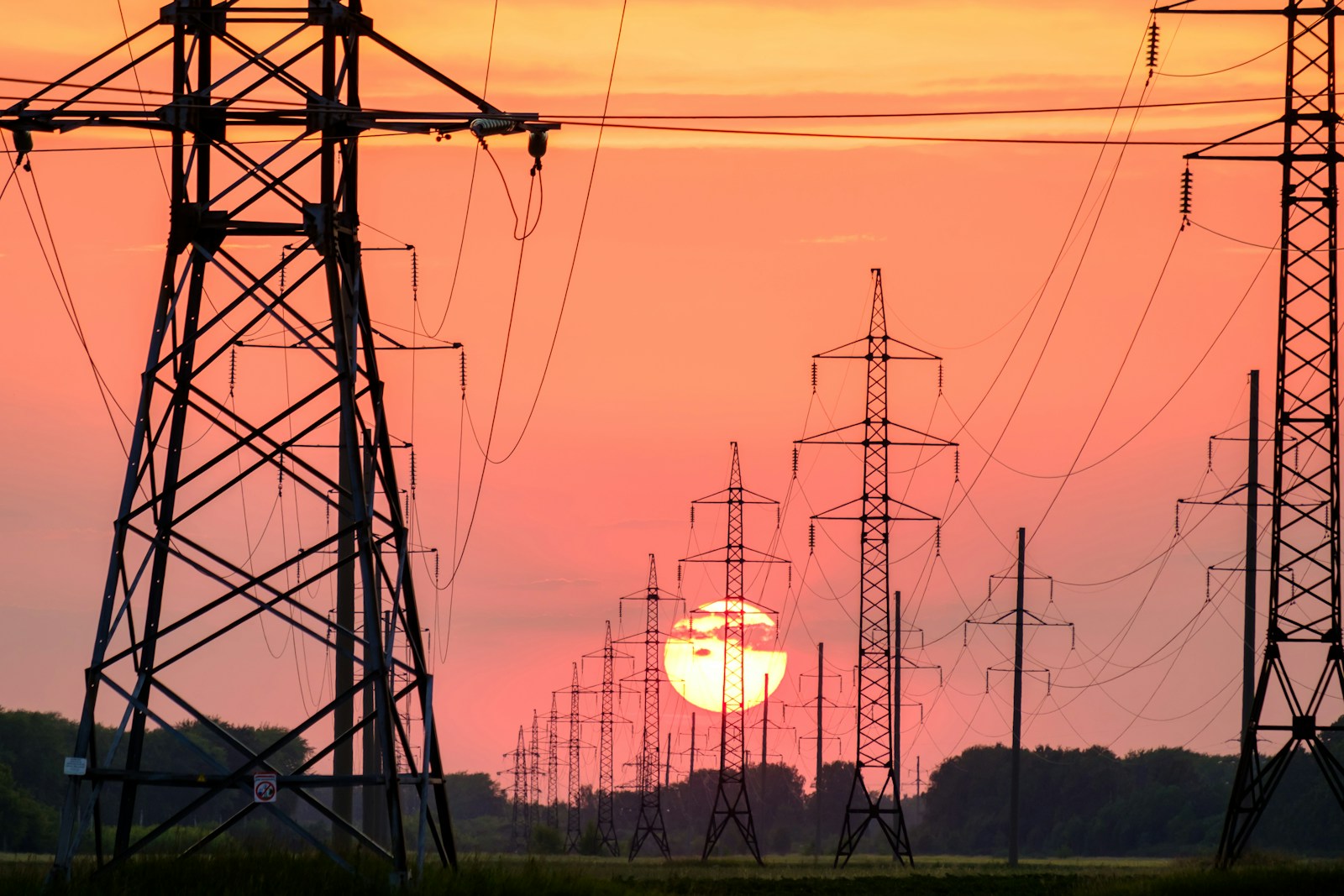
The U.S. Energy Information Administration had predicted a relatively mild winter this year for much of the United States. If accurate, the EIA’s seasonal forecast would likely have resulted in reduced energy demand and limited strain on local power grids. So far, however, this winter has proven to be anything but mild. Data from weather stations across the United States show that nearly 1,600 daily low temperature records have been either broken or matched in the month of January alone, in addition to nearly 1,000 daily snowfall records.
This year’s turbulent winter has had major consequences for the nation’s power grid. The North American Electric Reliability Corporation, or NERC, is a non-profit corporation that analyzes potential weaknesses in American electricity infrastructure, and advises utility companies accordingly. According to NERC’s annual Winter Reliability Assessment for the 2025-2026 season, there are large swaths of the country where extreme weather will heighten the risk of power failure. These places include the SERC Central and SERC East regions – which collectively cover Tennessee, the Carolinas, and parts of Georgia, Alabama, Mississippi, Missouri, and Kentucky. Notably, each of these states have reported record-breaking cold and snowfall in the first month of 2026.
In the aftermath of last week’s massive winter storm, power outages were reported across large swaths of the South, impacting hundreds of thousands of Americans. In Tennessee, nearly 30,000 residents remained without power as of February 2, and in parts of the state, restoring electricity may take another week or more. Across Georgia and Mississippi, more than 50,000 Americans were also without power as of February 2, according to data from PowerOutage.us.
While the extreme weather that swept across the country in recent weeks was not predicted before the start of the winter season, the likely outcome of such an event was – and in parts of the South, the consequences of insufficient preparation have been laid bare. With more than a month remaining in this year’s historic winter season, extreme weather could continue to wreak havoc on electrical grids across the South.
Using data from the NERC, the EIA, and the National Oceanic and Atmospheric Administration, Climate Crisis 247 identified the states with the most vulnerable power grids this winter. For the purposes of this story, we focused on the states located partially or entirely within the SERC Central and SERC East regions, both of which have been identified as having elevated electricity risks in the event of extreme winter weather. For each of the eight states on this list, we identified the average time customers spend without power annually, as well as the average frequency and restoration time for outages, using the most recent data available from the EIA. Data on daily temperature and snowfall records, as well as local 30-year average norms for the month of January, are from NOAA. States are listed in alphabetical order.
The eight states on this list are concentrated in the Southeast, and each has been identified by the NERC as belonging to a region where the power grid is at elevated risk during extreme winter weather. Notably, single-day snowfall volume and low temperatures have either broken or matched historical daily records in each of these states multiple times in the last month alone. Continued extreme winter weather in the coming weeks may cause additional, sweeping power failures across these eight states.
1. Alabama
- Winter power-supply risk level: Elevated risk during extreme weather
- Daily winter weather records reported in-state this year: 25 cold temp. records, 2 snowfall records
- Coldest record-low reported in state this year: 4°F on Jan. 27, 2026 – Clayton weather station (33°F colder than local avg. January low)
- Heaviest snowfall reported in state this year: 1.0″ on Jan. 18 2026 – Headland weather station (1.0″ more than avg. for entire month of January)
- Average annual time spent with no power: 279 minutes per customer (24th fewest of 50 states)
- Number of non-momentary power outages per year: 1.9 per customer (15th most of 50 states)
- Average time needed to restore power: 149 minutes (15th fewest of 50 states)
2. Georgia
- Winter power-supply risk level: Elevated risk during extreme weather
- Daily winter weather records reported in-state this year: 12 cold temp. records, 4 snowfall records
- Coldest record-low reported in state this year: -3°F on Jan. 27, 2026 – Allatoona Dam 2 weather station (32°F colder than local avg. January low)
- Heaviest snowfall reported in state this year: 1.6″ on Jan. 18 2026 – Macon Regional Airport weather station (2.7″ short of avg. for entire month of January)
- Average annual time spent with no power: 1,229 minutes per customer (6th most of 50 states)
- Number of non-momentary power outages per year: 2.1 per customer (10th most of 50 states)
- Average time needed to restore power: 579 minutes (5th most of 50 states)
3. Kentucky
- Winter power-supply risk level: Elevated risk during extreme weather
- Daily winter weather records reported in-state this year: 3 cold temp. records, 21 snowfall records
- Coldest record-low reported in state this year: -3°F on Jan. 26, 2026 – Warsaw Markland Dam weather station (26°F colder than local avg. January low)
- Heaviest snowfall reported in state this year: 9.2″ on Jan. 25 2026 – Northern Kentucky International Airport weather station (1.5″ more than avg. for entire month of January)
- Average annual time spent with no power: 648 minutes per customer (11th most of 50 states)
- Number of non-momentary power outages per year: 2.0 per customer (14th most of 50 states)
- Average time needed to restore power: 332 minutes (14th most of 50 states)
4. Mississippi
- Winter power-supply risk level: Elevated risk during extreme weather
- Daily winter weather records reported in-state this year: 16 cold temp. records, 1 snowfall records
- Coldest record-low reported in state this year: 13°F on Jan. 28, 2026 – Natchez weather station (23°F colder than local avg. January low)
- Heaviest snowfall reported in state this year: 2.0″ on Jan. 25 2026 – Hernando weather station (1.1″ more than avg. for entire month of January)
- Average annual time spent with no power: 567 minutes per customer (15th most of 50 states)
- Number of non-momentary power outages per year: 2.6 per customer (6th most of 50 states)
- Average time needed to restore power: 222 minutes (23rd most of 50 states)
5. Missouri
- Winter power-supply risk level: Elevated risk during extreme weather
- Daily winter weather records reported in-state this year: 79 cold temp. records, 35 snowfall records
- Coldest record-low reported in state this year: -21°F on Jan. 27, 2026 – Sedalia Water Plant weather station (40°F colder than local avg. January low)
- Heaviest snowfall reported in state this year: 10.0″ on Jan. 25 2026 – Ash Grove 4 S weather station (6.1″ more than avg. for entire month of January)
- Average annual time spent with no power: 224 minutes per customer (17th fewest of 50 states)
- Number of non-momentary power outages per year: 1.2 per customer (17th fewest of 50 states)
- Average time needed to restore power: 189 minutes (23rd fewest of 50 states)
6. North Carolina
- Winter power-supply risk level: Elevated risk during extreme weather
- Daily winter weather records reported in-state this year: 11 cold temp. records, 8 snowfall records
- Coldest record-low reported in state this year: -3°F on Jan. 27, 2026 – Beech Mountain weather station (23°F colder than local avg. January low)
- Heaviest snowfall reported in state this year: 5.2″ on Jan. 31 2026 – Hot Springs weather station (3.6″ more than avg. for entire month of January)
- Average annual time spent with no power: 1,441 minutes per customer (3rd most of 50 states)
- Number of non-momentary power outages per year: 1.8 per customer (16th most of 50 states)
- Average time needed to restore power: 795 minutes (2nd most of 50 states)
7. South Carolina
- Winter power-supply risk level: Elevated risk during extreme weather
- Daily winter weather records reported in-state this year: 11 cold temp. records, 2 snowfall records
- Coldest record-low reported in state this year: 12°F on Jan. 29, 2026 – Chesnee 7 WSW weather station (15°F colder than local avg. January low)
- Heaviest snowfall reported in state this year: 1.5″ on Jan. 25 2026 – Greenville-Spartanburg International Airport weather station (0.1″ short of avg. for entire month of January)
- Average annual time spent with no power: 3,137 minutes per customer (the most of 50 states)
- Number of non-momentary power outages per year: 2.4 per customer (8th most of 50 states)
- Average time needed to restore power: 1,326 minutes (the most of 50 states)
8. Tennessee
- Winter power-supply risk level: Elevated risk during extreme weather
- Daily winter weather records reported in-state this year: 17 cold temp. records, 18 snowfall records
- Coldest record-low reported in state this year: -2°F on Jan. 28, 2026 – Columbia 3 WNW weather station (29°F colder than local avg. January low)
- Heaviest snowfall reported in state this year: 5.0″ on Jan. 31 2026 – Elizabethton weather station (3.1″ more than avg. for entire month of January)
- Average annual time spent with no power: 279 minutes per customer (22nd fewest of 50 states)
- Number of non-momentary power outages per year: 2.0 per customer (13th most of 50 states)
- Average time needed to restore power: 139 minutes (11th fewest of 50 states)