NYC Wants to Use Thermal Energy to Cool Subway Stations
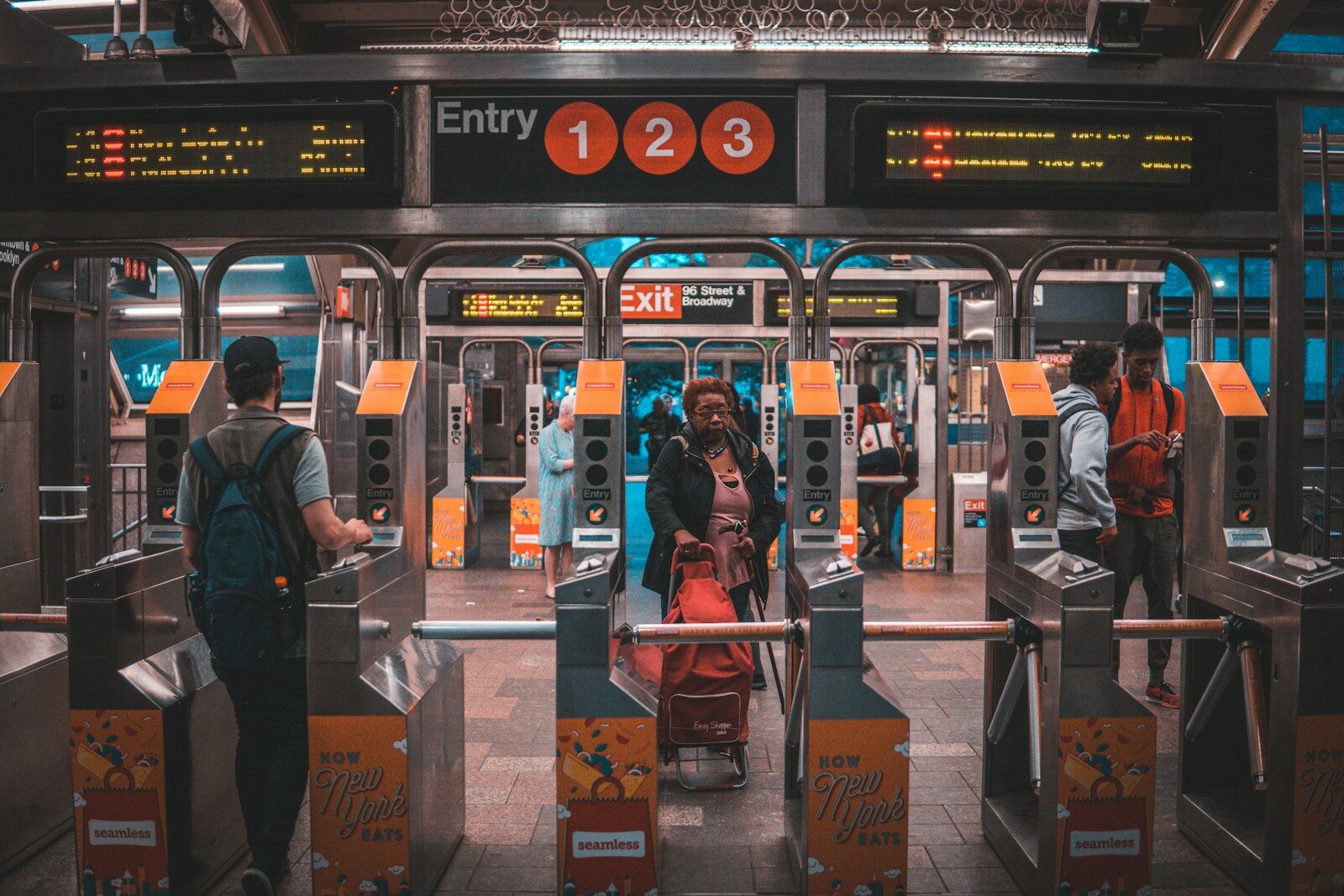
The stations can become “underground saunas” in the summer. An $800,000 pilot study could help lower temperatures.
By Lauren Dalban
August 10, 2026
This article originally appeared on Inside Climate News, a nonprofit, non-partisan news organization that covers climate, energy and the environment. Sign up for their newsletter here.
New York Governor Kathy Hochul and New York City Mayor Zohran Mamdani announced Monday that they, along with the Metropolitan Transportation Authority, will lead a new pilot program to study whether thermal energy networks could help cool subway stations.
During the summer, underground stations can reach temperatures far higher than those above ground because of heat generated by the trains, equipment and surrounding infrastructure.
“Anyone who has stood in a subway platform in August knows that our stations do not just get hot. They turn into underground saunas,” Mamdani said at a Monday press conference.
The $800,000 pilot study will be funded using revenue from New York City’s congestion-pricing program, which charges drivers a fee to enter any part of Manhattan at or below 60th Street.
Thermal energy systems typically use a network of underground water-filled pipes to move and regulate heat across buildings and other infrastructure. Because temperatures deep underground are relatively stable, these systems can use the Earth as a source for heating and cooling.
The subway pilot will study the use of radiant cooling technology, where a cooling loop runs beneath surfaces in the station, absorbing heat out of the surrounding environment and transferring it into the water.
During the summer, some thermal systems can store heat in underground boreholes until winter. MTA chairman and CEO Janno Lieber hopes the study will find a way to store that excess heat to warm nearby municipal buildings during colder months.
“Bringing down the temperature is a real challenge in a century-old system with open entrances and vents everywhere,” said Lieber, adding that he hopes the system would result in energy savings for the city.
The MTA has been looking for ways to cool subway stations since at least 2023. Not only does the heat impact equipment, such as switches and signals, but the subway operations reinforce the problem, according to a climate resilience report that MTA published in 2024.
When trains brake in the stations, the friction generates heat. The trains’ air-conditioning systems also release heat into the stations. And the electrical equipment generates heat when it’s operating, as do the air conditioning units used to cool it.
Brooklyn Bridge-City Hall, one of the stations involved in the pilot program, reached average temperatures of 96 degrees last summer, Lieber said at a Monday press conference, calling it “one of the sweatiest in our system.” Chambers Street, which serves more than 18,000 riders on an average weekday, is the other station involved in the pilot program.
A statement from Mamdani’s office says that the MTA plans to award the contract for the feasibility study by this fall. If thermal energy networks are deemed viable for these stations, the design phase could begin in early 2027.
If it succeeds, New York would be the first state to use thermal energy networks in its subway system. Interest in thermal energy networks has risen across the state in recent years, with city developers and property owners increasingly exploring the technology. Local utilities often offer incentives for installations.
The state legislature passed a bill in 2022 that allowed gas and electric utilities to own and operate thermal energy networks. Environmental groups, labor unions and utilities supported the legislation. New York’s Public Service Commission, which regulates local utilities, directed the seven largest investor-owned ones to develop at least one pilot geothermal project.
By 2024, there were 12 pilot projects in active development—including three at Con Edison, the main electric utility in downstate New York. One of these projects would use thermal energy networks to store excess heat from the Rockefeller Center’s existing cooling system to heat three commercial buildings in Midtown Manhattan.
Jenille Scott, the climate director for ALIGN, a worker-advocacy organization that has called for the development of more thermal energy systems, said that she was excited by the idea of them in subway stations because they are very efficient and the buildout could bring new construction jobs to the city.
Because of the climate crisis, heat will continue to pose a challenge for subway riders. A 2024 report by the New York City Panel on Climate Change projected that, by the 2080s, the number of days per year with maximum temperatures at or above 82 degrees Fahrenheit in the city will nearly double. Currently, the city reaches or exceeds that temperature 69 days a year.
“Sweltering subway platforms are not just uncomfortable, they are a matter of health and safety,” said Louise Yeung, the city’s chief climate officer. “Amidst one of the hottest summers on record, we need no reminder that our aging infrastructure is not keeping pace with our changing climate.”
More from ClimateCrisis 247
- Cities Where Americans Have the Highest Water Bills
- New Documents Add to Evidence in Climate Deception Case Against ExxonMobil
- The 10 Most Sustainable Countries In The World
- States Where Tax Payers Will Pay The Most for Rising Sea Levels