The 10 Best-Selling EVs of 2026, So Far
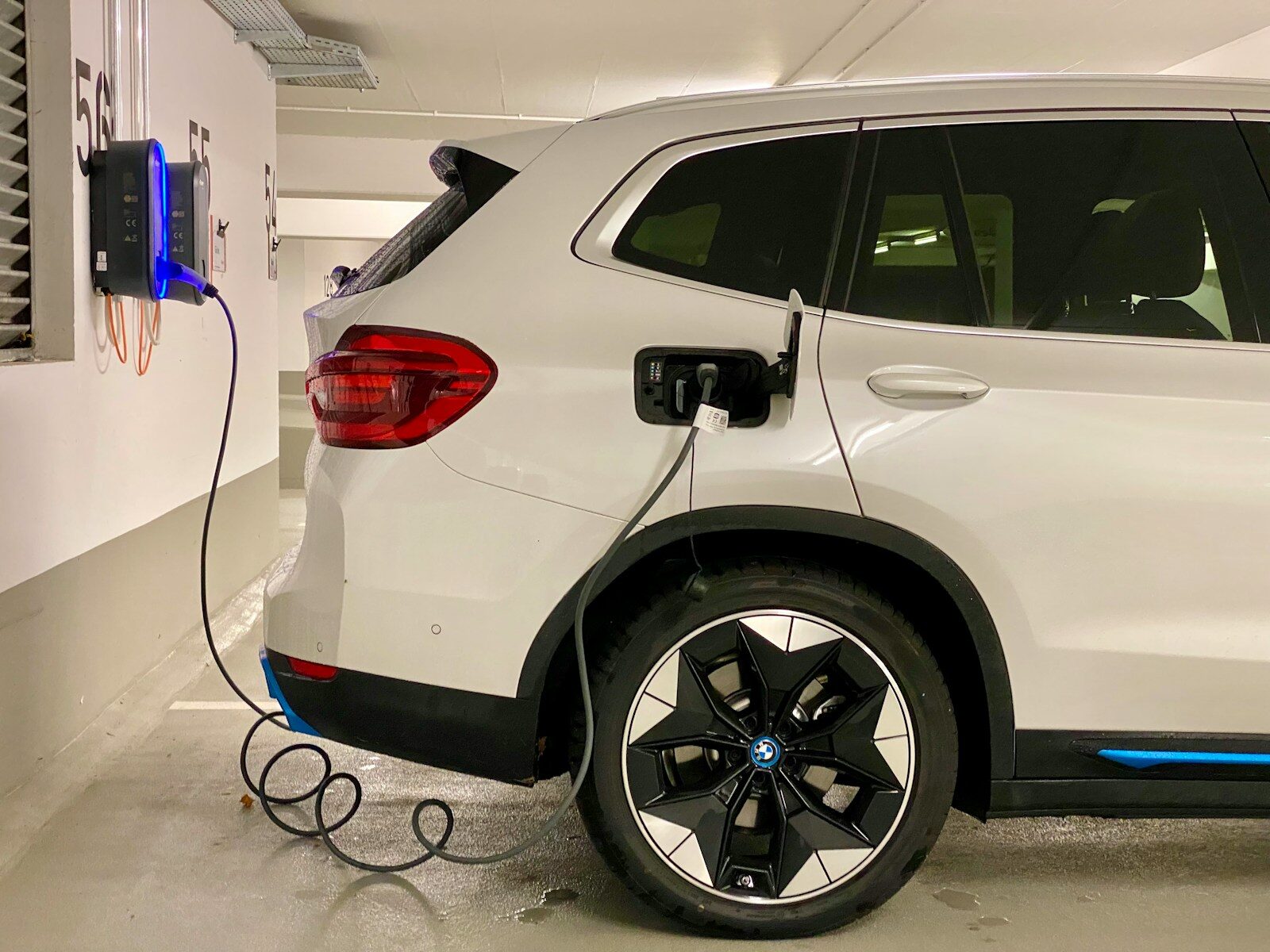
EV sales in the US continued their collapse in the second quarter. Newly released data from Kelley Blue Book estimates that 247,226 EVs were sold during the three-month period, a drop of 20.5% from the year before.
There was a small silver lining. According to Cox Automotive, “The decline remains significant, but there is good news here as well: The Q2 sales decline was an improvement over Q1, when sales fell 27.3%, and far better than Q4 2025, when sales were down sharply as expected, off by more than 36% year over year.”
Combined, the first and second quarters make up what’s called Year-to-Date (YTD) sales. For the January-through-June period, sales dropped 23.7% to 463,021.
Why EV Sales Continue to Suffer
The traditional reasons still apply. People worry about range — the average EV can still travel just above 300 miles on a single charge. There are exceptions: the Lucid Air Grand Touring can go 512 miles on a single charge. However, as Cars.com points out, “The Lucid Air offers the longest driving range of any EV on sale today, but you have to drop well over six figures to get it” — a reference to its $116,400 price tag.
Another hurdle is public charging infrastructure, which remains concentrated in California and a handful of major US cities. Coverage across the rest of the country is spotty. Reliability is also an issue. The Harvard Business Journal explains, “EV drivers often find broken equipment, making charging unreliable at best and simply not as easy as the old way of topping off a tank of gas.” The report also noted that prices can vary from place to place — though the same is true of gasoline.
Other, more minor complaints include the fact that EVs wear through tires faster than gas-powered cars, lose the ability to hold a full charge in very cold weather, and tend to come with higher insurance rates.
Still, most experts point to one primary cause: the expiration of the $7,500 federal EV tax credit. It ended on September 30 of last year, which is exactly when EV sales began their current decline. As Car and Driver put it: “EV Sales Plummet in October After Federal Tax Credit Ends.”
Tesla Still Leads, But Its Grip Is Loosening
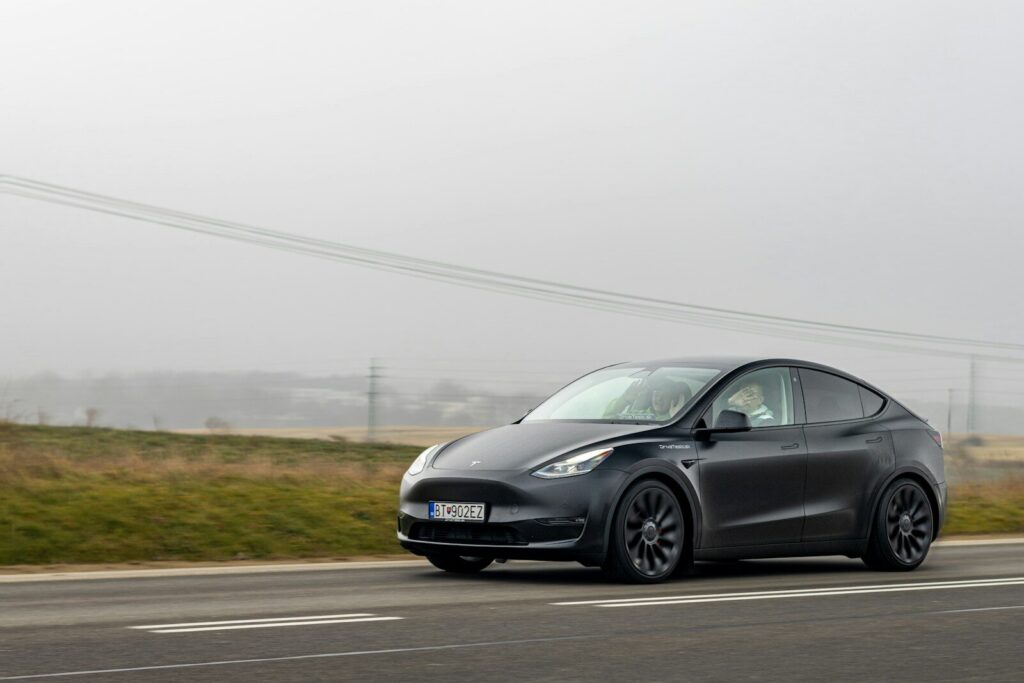
Among the best-selling EVs of the first half of the year, Tesla holds the top two spots. The company still commands a 50% share of the US EV market — down sharply from 79.5% in 2020. Sales of the overall market leader, the Tesla Model Y, rose 8.8% to 163,454 units. In second place, the Model 3 saw sales drop 34.3% to 66,616. No other model captured more than 5% of total EV sales in the first half of the year.
One notable footnote, illustrating just how fast the market is shifting: the Ford Mustang Mach-E was the 7th best-selling EV of the period, with 11,632 units sold — and it has since been discontinued.
| Rank | Model | YTD 2026 Sales | YTD 2025 Sales | YoY Change |
|---|---|---|---|---|
| 1 | Tesla Model Y | 163,454 | 150,171 | +8.8% |
| 2 | Tesla Model 3 | 66,616 | 101,323 | –34.3% |
| 3 | Hyundai Ioniq 5 | 20,730 | 19,092 | +8.6% |
| 4 | Toyota bZ4X | 17,553 | 9,249 | +89.8% |
| 5 | Chevrolet Equinox EV | 16,249 | 27,749 | –41.4% |
| 6 | Rivian R1S | 11,677 | 11,503 | +1.5% |
| 7 | Ford Mustang Mach-E | 11,632 | 21,785 | –46.6% |
| 8 | Honda Prologue | 8,407 | 16,317 | –48.5% |
| 9 | Cadillac Lyriq | 7,578 | 9,317 | –18.7% |
| 10 | Kia EV9 | 7,035 | 4,938 | +42.5% |
More from ClimateCrisis 247
- Fastest Warming Congressional Districts Where Politician is Funded by Fossil Fuel Industry
- America’s Best And Worst Cities To Own An EV
- Climate Change Is Increasing Simultaneous Exposure to Heat Waves and Wildfire Smoke
- Wildlife Populations Have Plunged Globally, But Some Buck the Trend