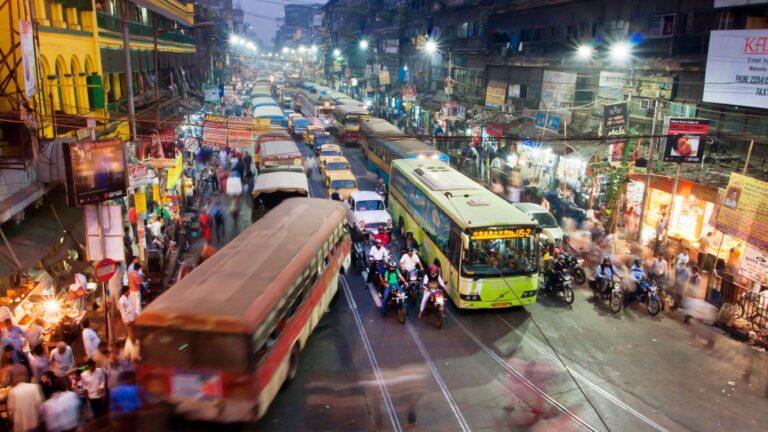
The 10 States With The Most Extreme Drought
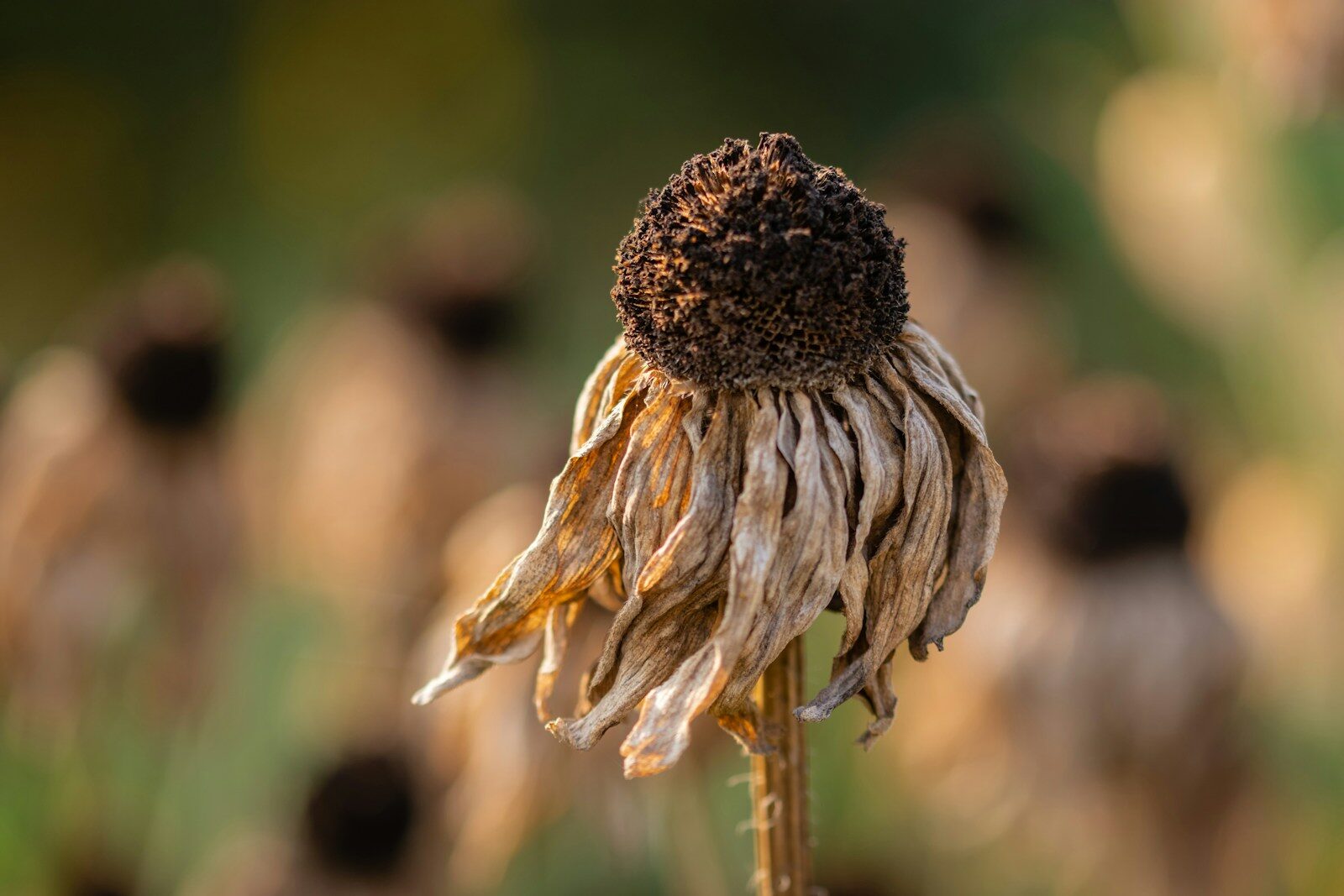
The U.S. Drought Monitor is the gold standard for tracking drought conditions across America, with data broken down by state. The most recent figures, from July 16, show a surprising shift: drought is usually concentrated in the Western states, but that’s no longer the case. Delaware now has the second-highest percentage of land in the most severe drought categories, at roughly 47%, followed closely by North Carolina at 44%.
This eastward shift has consequences. Drought is one of the primary drivers of wildfires, and 45% of wildfires now occur east of the Mississippi.
According to the National Interagency Fire Center, there have been 40,357 wildfires so far this calendar year — the highest count in the last decade — burning a combined 3,853,513 acres. As of today, 73 large wildfires are actively burning across the U.S.
The Economic Toll
Drought cripples states in several ways, and one of the most significant is economic. Nebraska is the clearest example in 2026: conditions there grew so dire that the federal government stepped in with aid. Last month, the USDA Farm Service Agency announced, “Agricultural operations in Nebraska have been significantly impacted by recent drought. The U.S. Department of Agriculture (USDA) has technical and financial assistance available to help farmers and livestock producers recover from this adverse weather event.” Farmers were instructed to track and submit their losses.
Drought has also fueled inflation. According to Farm Progress, “As of May 1, July HRW wheat had rallied over $1.50, up 28% since the end of last year, and briefly neared $7.20 per bushel in late April.” (Hard Red Winter, or HRW, is the most widely produced class of U.S. wheat.)
That inflation trickles down to other food items. Beef cattle prices have risen sharply due to a lack of feed, and NPR reports that the nation’s cattle herd is at a 75-year low. As a result, the price of ground beef and steak is up well into double digits this year.
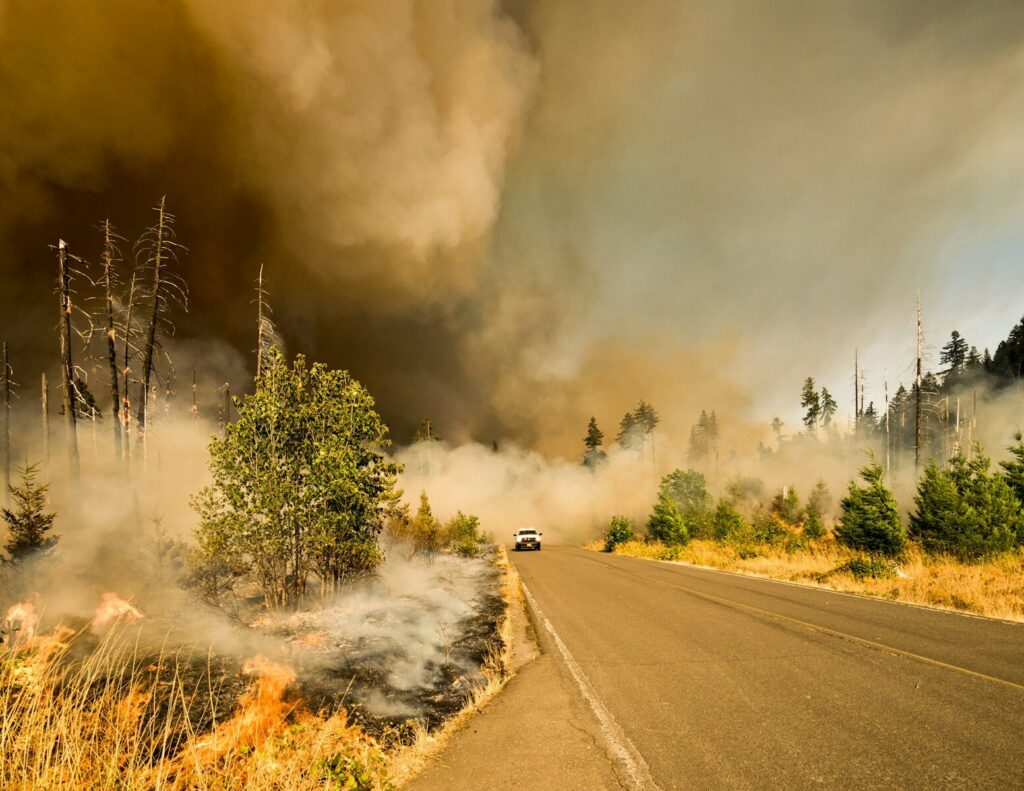
Wildfires Intensify in the West
Drought remains one of the leading causes of wildfires, and Colorado illustrates the danger: 58% of the state is now covered by D3 and D4 drought. In parts of the state, wildfires are burning unusually large areas. Newsweek reported, “The Aspen Acres wildfire has surged into the ranks of Colorado’s 10 largest wildfires on record after explosive growth expanded the blaze, reportedly forcing thousands from their homes.”
As drought has spread east, so have its economic effects. NC Newsline reports that North Carolina Agriculture Commissioner Steve Troxler told Governor Josh Stein and the Council of State that the state’s farmers are bracing for low yields and a significant economic hit.
A Troubling Long-Term Trend
The outlook isn’t encouraging. The Center for Climate and Energy Solutions reports, “Climate change increases the odds of worsening drought in many parts of the United States and the world. Regions such as the U.S. Southwest, where droughts are expected to get more frequent, intense, and longer lasting, are at particular risk.”
| State | D3+D4 % |
|---|---|
| CO | 57.9 |
| DE | 46.9 |
| WY | 45.0 |
| NC | 44.0 |
| ID | 40.0 |
| UT | 39.9 |
| NM | 36.1 |
| NE | 27.0 |
| SC | 24.5 |
| OR | 20.3 |
Source: U.S. Drought Monitor, most recent data available. Table shows combined D3 (Extreme Drought) and D4 (Exceptional Drought) coverage.
- D3 Extreme Drought): 3rd to 5th percentile — a level of dryness expected only 3 to 5 times per 100 years. At this stage, agriculture suffers major crop and pasture losses, and communities face widespread water shortages.
- D4 (Exceptional Drought): 0 to 2nd percentile — the most severe USDM category, representing a historic, 1-in-50-year (or rarer) event. D4 conditions signal catastrophic, landscape-altering impacts: widespread crop and pasture losses and severe water emergencies.
More from ClimateCrisis 247
- Highest Record-Breaking Temperatures this Summer Were Well Above 100F
- America’s largest Data Center Uses More Electricity Than Houston
- Most ER Visits Due To Heat Related Illness in the US From 2018 to 2025
- The Four Worst Droughts In US History