These Are The Places Where People Are Trapped By Climate Change
There are places where people are trapped by climate change. This is an aspect of what is known as “climate migration. Migration occurs when people or groups can no longer live in an area because of progressively worse effects of global warming.
In a number of cases, climate migration is possible. This happened to New Orleans. According to New Orleans CityBusiness: “To this day, New Orleans has not regained its pre-Katrina population numbers. The most recent report shows that in 2024, the city reported 363,000 people, nearly 100,000 fewer.” No one knows where they went, but they clearly weren’t trapped in the city. However, New Orleans is a good example of how climate migration can become worse over time. Yale Environment 360 reports that Jesse Keenan, an expert in climate adaptation at Tulane University, commented, “New Orleans is in a terminal condition, and we need to be clear with the patient that it is terminal. There is an opportunity for palliative care; we can transition people and the economy. We can get ahead of this.” America is a relatively rich nation, and much of the population is already mobile.
Much of the best data on populations that cannot stay where they have been for many more years (or suffer from conditions they should leave soon), are published in the journal Nature, “Prioritizing involuntary immobility in climate policy and disaster planning,” and the Yale Climate Connections publication of “Some people are getting trapped in place as the climate changes.” The Yale analysis identifies one thing most of these “trapped” populations have in common. It shows that the poorest may be least able to move away from harm.
Several groups of people who cannot stay where they are share one thing in common: they live on sinking islands. Some of these islands are also nations. These include the Maldives, Tuvalu, the Marshall Islands, Nauru, and Kiribati. Together, they have a combined population of 750,000 people.
The problem is also intractable in these places but for different reasons.:
New Zealand — Indigenous Māori communities face the loss of coastal communal meeting grounds with cultural and religious importance. These people could relocate. However, it would ruin critical parts of their culture. Most of these areas will be flooded due to rising sea levels. Much of this territory is today considered “ancestral lands.” The area was first settled between 1250 and 1300 CE. As PreventionWeb points out, “When storms hit, Māori land – much of it multiply-owned and difficult to insure or develop – faces higher risk and slower recovery.” The climate is holding their culture hostage.
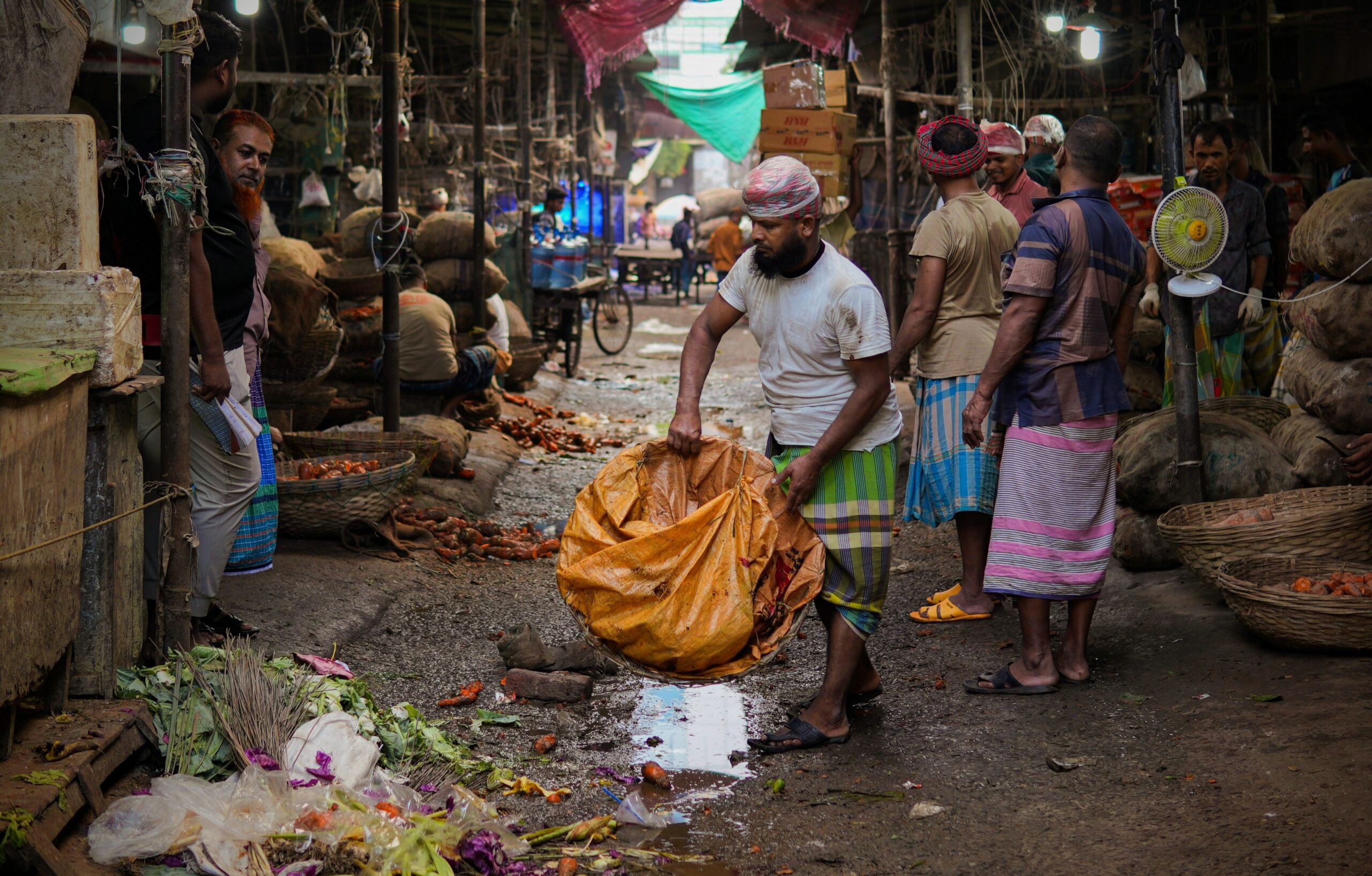
Bangladesh — Parts of the country are flooded so often that they will become permanently uninhabitable. In a report from UNICEF titled “Flooding affects millions in Bangladesh, India and Nepal,” the authors point out, “In northern and central Bangladesh, 3.9 million people have been directly affected by the flooding.” These people become temporary refugees in other parts of the country. One area used for this purpose is Cox’s Bazar District, which is already heavily populated. The district borders the Bay of Bengal, so neither the refugees nor the current residents has anywhereto go. They are trapped by the sea.
Zambia — One of the primary research locations of the Nature paper. Another report from ReliefWeb reported: “Zambia is currently facing one of its most severe droughts, affecting some 9.8 million people. The drought was officially declared a national disaster, with rural areas in Southern and Western provinces being hit the hardest.” Raising livestock and farming are nearly impossible. The entire nation is extremely poor and has one of the lowest GDP per capita in the world. There is no surrounding land, even within hundreds of miles, that can support the millions who live there.
New York City — America’s largest city supports the “poverty prevents movement” theory. There are approximately 96,000 homeless people in NYC living in shelters, and thousands more who sleep outside. The Coalition for the Homeless reports, “In recent years, homelessness in New York City has reached the highest levels since the Great Depression.” Mortality rates among the homeless are, on a per capita basis, much higher than for almost any other group in the city. Although urban populations may not be considered “trapped” in a traditional sense, the chance that these people can go anywhere else to significantly improve their health or longevity is close to zero. This becomes a larger problem as the city gets hotter and hotter. Temperatures topped 100 degrees this summer. The heat index was closer to 110. Andparts of the city flood more often because of rising seas caused by heat melting ice in the Arctic and Antarctic.
More from ClimateCrisis 247
- States Where Tax Payers Will Pay The Most for Rising Sea Levels
- The 10 Least Sustainable Countries In The World
- The Worst Back-to-Back Hurricanes in US History
- The Deadliest Hurricanes To Hit the US in the last half century