The Four Worst Droughts In US History
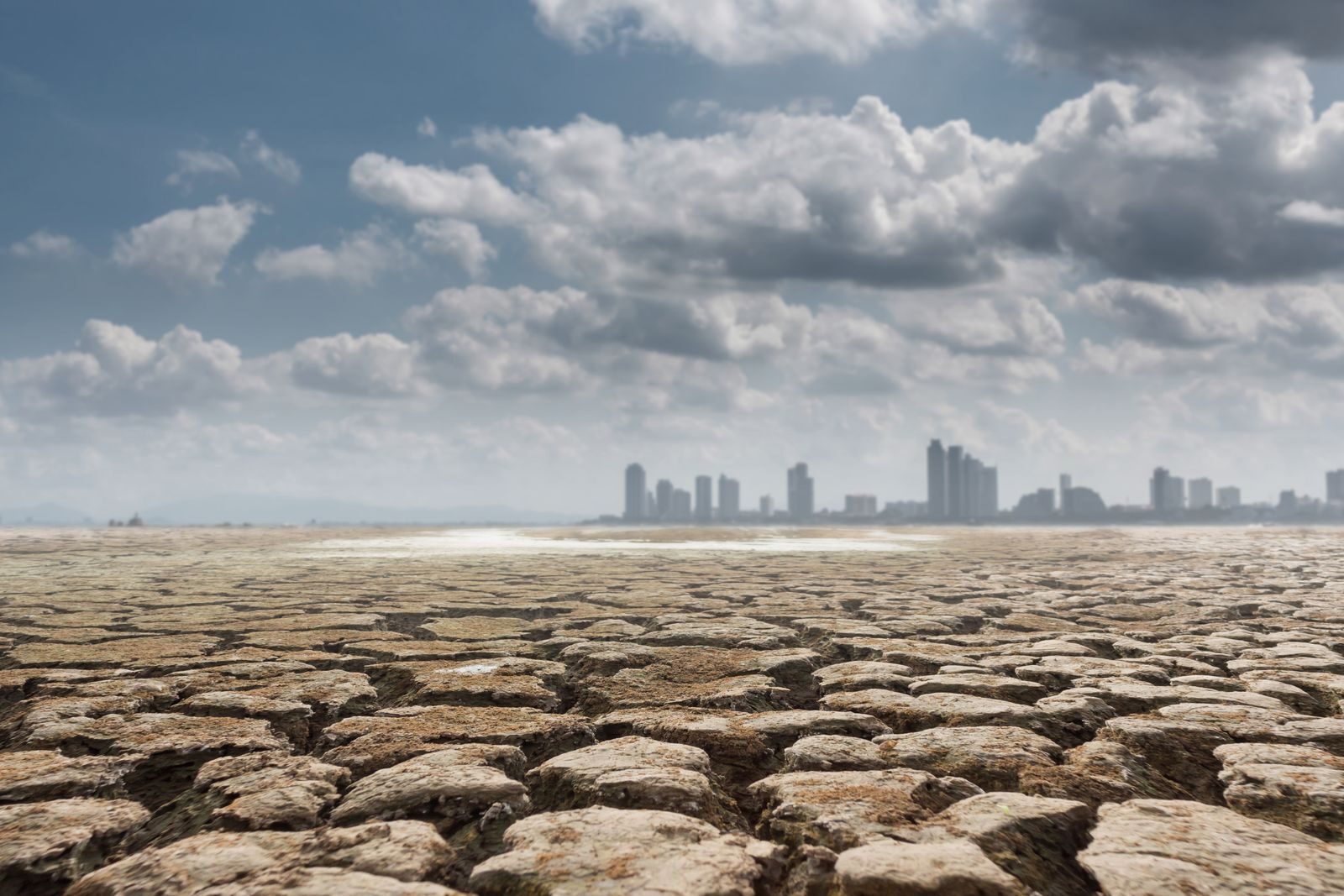
Call this the year of the drought. Earlier this year, 46 of the 48 lower states suffered from some stage of drought, according to the U.S. Drought Monitor. Conditions have improved, but only slightly. The NOAA National Integrated Drought Information System reports that 47.99% of America—and 59.37% of the lower 48 states—is currently experiencing some level of drought. “Flash drought continues to worsen in the Southern Plains and Lower Mississippi River Basin—and is now impacting parts of the Southeast too,” the agency reported.
Drought carries two major immediate impacts. The first is agricultural. Drought in the U.S. “breadbasket” has slashed production, driving down crop yields and driving up the price of items like grain. That, in turn, increases the price of beef cattle, which rely on grain for feed. Nebraska Public Media reports, “Most of the state’s winter wheat crop is grown in western Nebraska, which has been beset by a historic drought.” Furthermore, Drovers research shows that “a historic drought stretching from Wyoming to Nebraska is pushing beef producers into some of the hardest decisions of their careers: sell the cattle they’ve spent generations building or hold on and hope the rain comes.”
The second major effect is wildfires. Recent blazes in Colorado and Oregon were blamed largely on drought combined with hot weather. According to the National Interagency Fire Center, 56,161 wildfires have burned 8,515,617 acres this year so far—both breaking ten-year records.
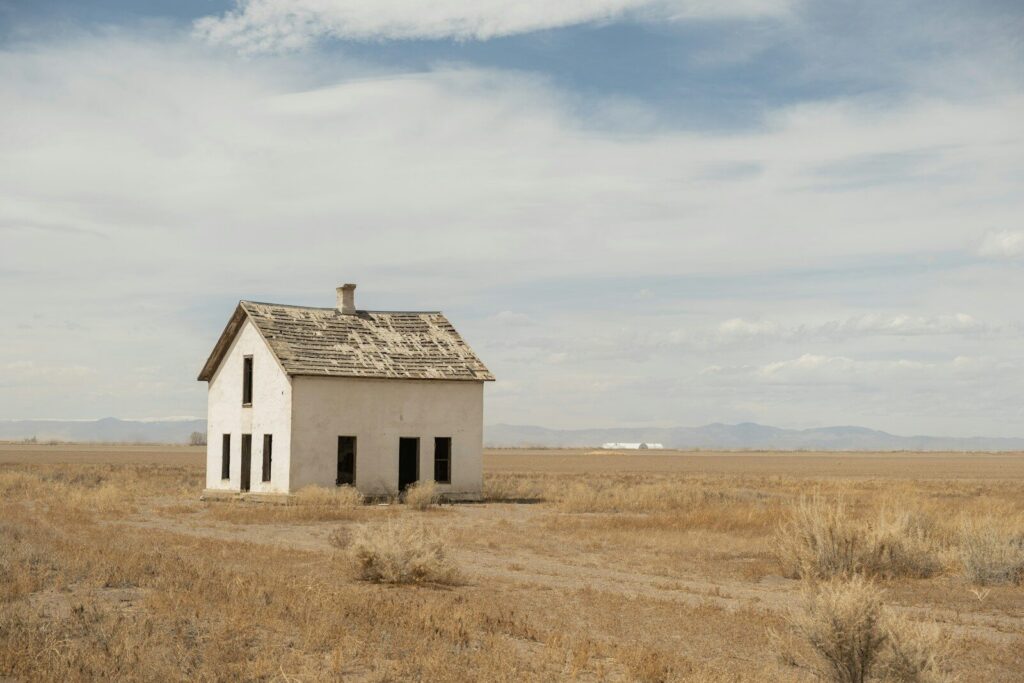
While current conditions are severe, they are overshadowed by the worst droughts in U.S. history:
1. The Dust Bowl (1930s)
Covering most of the Western states, this dry period lasted for at least four years, varying by region. The hardest-hit areas included the western third of Kansas, southeastern Colorado, the Oklahoma panhandle, the northern two-thirds of the Texas panhandle, and northeastern New Mexico.
The crisis was driven by both weather and poor land management. The National Drought Mitigation Center reports: “Due to low crop prices and high machinery costs, more submarginal lands were put into production. Farmers also started to abandon soil conservation practices.”
Several consecutive drought waves struck over a seven-year period, preventing farmland from recovering. Because farmers had stripped away the native grasslands that once anchored the soil, heavy winds stirred up massive dust storms that traveled hundreds of miles.
The human and economic toll was staggering:
- More than 2.5 million people left the Plains states.
- Approximately 10% of all farms were sold or went bankrupt by 1933–1934.
- 21% of rural Great Plains families relied on emergency federal aid.
- The federal government spent roughly $1 billion in relief before normal rainfall finally returned in 1941.
2. The Texas/Southern Plains Drought (1950–1957)
According to the Texas State Historical Association, this long-term crisis was the worst drought in Texas history. It began in the late spring of 1949 in the lower valley, spread to western portions of the state by fall, and covered nearly all of Texas by the summer of 1951.
By the end of 1952, the water shortage was critical, eventually spreading into Kansas and Oklahoma by 1953. Texas statewide precipitation plummeted from 90% of normal in 1950 to 55% of normal by 1956. Agricultural losses totaled roughly $17.75 billion—equivalent to about $235 billion today—not including the devastating personal toll of farm foreclosures and bankruptcies.
3. The Midwest Drought (1988–1989)
Though short-lived, this drought was extremely severe, making it the costliest of the four. Losses totaled roughly $39 billion (about $158 billion today). Several broader estimates put total agricultural damage as high as $70 billion, which, adjusted for inflation, exceeds the damage caused by the Dust Bowl.
The drought destroyed 45% of the U.S. corn crop and wreaked havoc on regional waterways. Parts of the Mississippi River shrank to what some accounts called “a trickle,” halting barge traffic entirely. With crops from the Upper Midwest unable to reach markets, shipping losses soared into the billions.
According to NOAA, “Barge traffic on the Mississippi, Missouri, and Ohio rivers was severely disrupted. Municipal water supplies in some communities were reduced to critically low levels.” Temperatures topped 100 degrees in parts of the region, and small dust bowls developed in the northern areas.
4. The Plains/Midwest Drought (2011–2012)
During this crisis, almost 80% of U.S. agricultural land experienced drought conditions. By mid-September 2012, more than 2,000 counties were declared federal disaster areas, and at its peak, over 70% of the nation’s crop and livestock production sat in moderate or worse drought zones.
Brownfield reported: “Drought conditions occurred for half of the Midwest, while at the same time, several severe precipitation events resulted in flash flooding, breaking 17 all-time precipitation records, according to the Midwestern Regional Climate Center at the Illinois State Water Survey (ISWS).”
Corn farms suffered the worst damage. Yield projections dropped from 166 bushels per acre at planting to 123.1 bushels per acre at harvest, causing national production to fall from 14.79 billion to 10.76 billion bushels. Losses were estimated at around $30 billion, and the resulting price spikes in corn and soybeans rippled into livestock feed costs and beef prices—much like the economic pressures seen today.
More from ClimateCrisis 247
- States Where Tax Payers Will Pay The Most for Rising Sea Levels
- The 10 Least Sustainable Countries In The World
- The Worst Back-to-Back Hurricanes in US History
- The Deadliest Hurricanes To Hit the US in the last half century