The 10 Worst Years for Pollution in the uS
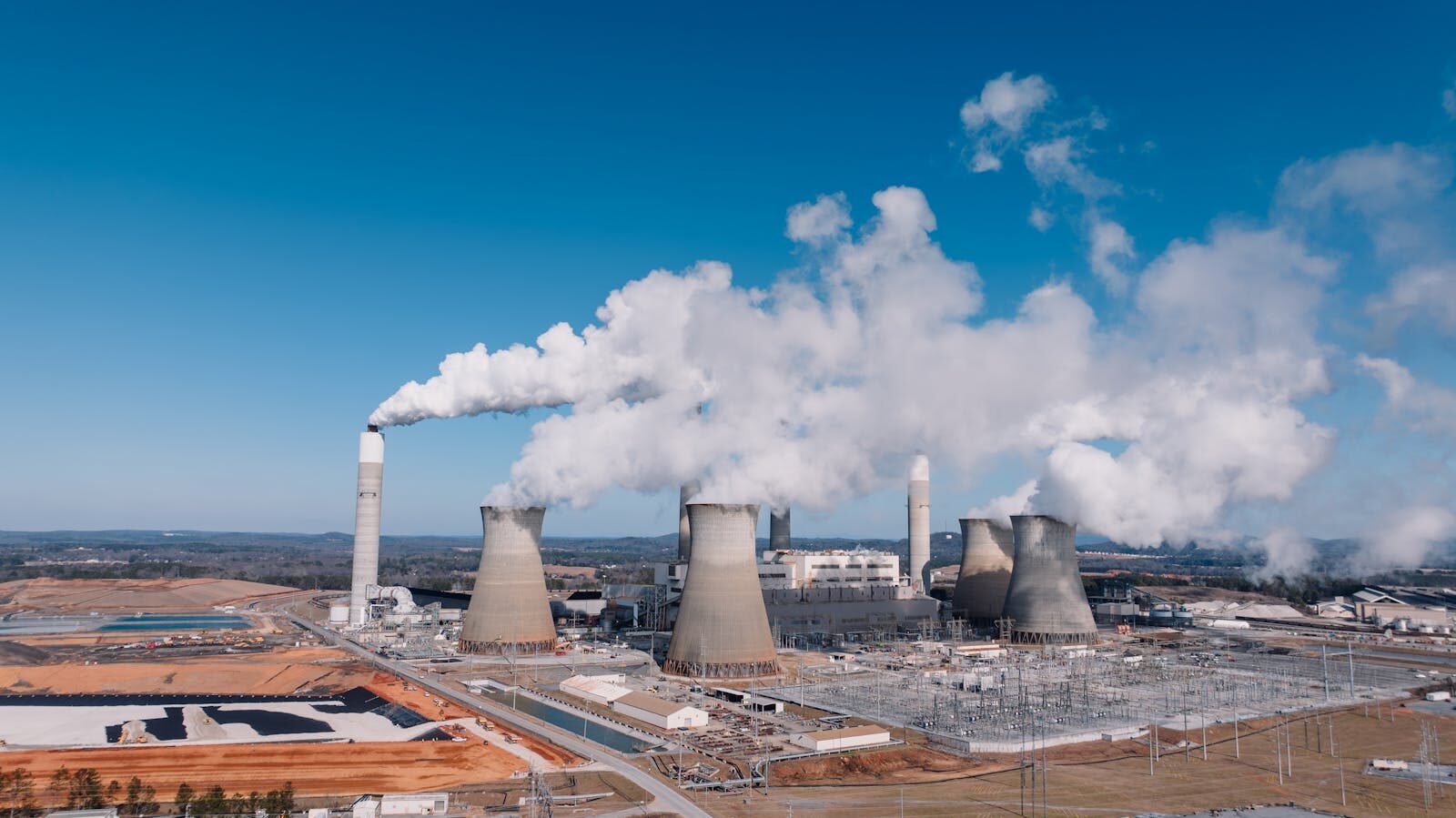
The United States generated over 6.3 billion metric tons of greenhouse gas emissions in 2022, making it one of the world’s largest polluters – second only to China. While carbon dioxide, largely generated by automobiles and industry, accounts for the bulk of America’s greenhouse gas emissions – nearly 80% in 2022 – it is not the only culprit. Certain sectors, including agriculture, fossil fuel production, and waste management can also pollute the atmosphere with harmful byproducts like methane and nitrous oxide. Given America’s outsized contribution to global air pollution, slowing the rate of climate change may depend largely on the ability and willingness of the U.S. to reduce its own greenhouse gas emissions – and in recent years, some progress has been made.
According to the latest available data from the U.S. Environmental Protection Agency, greenhouse gas emissions declined by about 3% between 1990 and 2022. Over that period, increased pollution from the transportation, agriculture, commercial, and residential sectors were offset by meaningful emissions reductions in electric power generation and heavy industry. These improvements were due in no small part to adoption of more efficient industrial practices and increased reliance on clean, renewable energy sources.
Continued progress in emissions reduction now appears in jeopardy, however. Within hours of taking office, President Trump reopened drilling opportunities along the U.S. coast, withdrew the U.S. from the Paris Climate Agreement, expedited approval processes for oil drilling and coal mining projects, and froze unspent clean energy funding provided by the Biden-era Inflation Reduction Act. In recent decades, U.S. greenhouse gas emissions peaked in the mid-2000’s. But new federal energy and environmental policies may mean America’s carbon footprint may meaningfully expand in the coming years.
Using data from the EPA, Climate Crisis 247 identified the worst years for greenhouse gas emissions in the United States. We reviewed data on total greenhouse gas emissions – including carbon dioxide, methane, nitrous oxide, and other pollutants, including HFCs and PFCs – for every year of available data, from 1990 to 2022. Years are ranked by accumulated metric tons of greenhouse gas emissions. All supplemental data is also from the EPA. It is important to note that emissions percentages may exceed 100%, as land-use offsets can reduce overall net-pollution in a given year.

10. 1999
- Total U.S. greenhouse gas emissions: 7.2 billion metric tons
- Greenhouse gas emissions by component in 1999: 80.4% carbon dioxide, 11.3% methane, 5.8% nitrous oxide, 2.5% other
- Heaviest polluting U.S. sector by greenhouse gas emissions in 1999: Electric power industry, 2.2 billion metric tons
9. 2001
- Total U.S. greenhouse gas emissions: 7.3 billion metric tons
- Greenhouse gas emissions by component in 2001: 81.0% carbon dioxide, 11.1% methane, 5.8% nitrous oxide, 2.1% other
- Heaviest polluting U.S. sector by greenhouse gas emissions in 2001: Electric power industry, 2.3 billion metric tons
8. 2008
- Total U.S. greenhouse gas emissions: 7.3 billion metric tons
- Greenhouse gas emissions by component in 2008: 80.8% carbon dioxide, 11.2% methane, 5.7% nitrous oxide, 2.3% other
- Heaviest polluting U.S. sector by greenhouse gas emissions in 2008: Electric power industry, 2.4 billion metric tons
7. 2002
- Total U.S. greenhouse gas emissions: 7.3 billion metric tons
- Greenhouse gas emissions by component in 2002: 81.1% carbon dioxide, 10.9% methane, 5.8% nitrous oxide, 2.2% other
- Heaviest polluting U.S. sector by greenhouse gas emissions in 2002: Electric power industry, 2.3 billion metric tons
6. 2003
- Total U.S. greenhouse gas emissions: 7.4 billion metric tons
- Greenhouse gas emissions by component in 2003: 81.3% carbon dioxide, 10.8% methane, 5.7% nitrous oxide, 2.1% other
- Heaviest polluting U.S. sector by greenhouse gas emissions in 2003: Electric power industry, 2.4 billion metric tons
5. 2000
- Total U.S. greenhouse gas emissions: 7.4 billion metric tons
- Greenhouse gas emissions by component in 2000: 81.2% carbon dioxide, 11.0% methane, 5.5% nitrous oxide, 2.3% other
- Heaviest polluting U.S. sector by greenhouse gas emissions in 2000: Electric power industry, 2.4 billion metric tons
4. 2006
- Total U.S. greenhouse gas emissions: 7.4 billion metric tons
- Greenhouse gas emissions by component in 2006: 81.4% carbon dioxide, 10.9% methane, 5.7% nitrous oxide, 2.1% other
- Heaviest polluting U.S. sector by greenhouse gas emissions in 2006: Electric power industry, 2.4 billion metric tons
3. 2004
- Total U.S. greenhouse gas emissions: 7.5 billion metric tons
- Greenhouse gas emissions by component in 2004: 81.6% carbon dioxide, 10.6% methane, 5.7% nitrous oxide, 2.1% other
- Heaviest polluting U.S. sector by greenhouse gas emissions in 2004: Electric power industry, 2.4 billion metric tons
2. 2005
- Total U.S. greenhouse gas emissions: 7.5 billion metric tons
- Greenhouse gas emissions by component in 2005: 81.7% carbon dioxide, 10.6% methane, 5.6% nitrous oxide, 2.0% other
- Heaviest polluting U.S. sector by greenhouse gas emissions in 2005: Electric power industry, 2.5 billion metric tons
1. 2007
- Total U.S. greenhouse gas emissions: 7.5 billion metric tons
- Greenhouse gas emissions by component in 2007: 81.3% carbon dioxide, 10.8% methane, 5.7% nitrous oxide, 2.2% other
- Heaviest polluting U.S. sector by greenhouse gas emissions in 2007: Electric power industry, 2.5 billion metric tons
More from ClimateCrisis 247
- Mapping the US Counties Where Climate Doubt is Spreading
- Proposed Data Centers Could Use More Electricity Than All Alabama Homes Combined, Analysis Shows. Who Will Pay?
- These Midwest Counties Are Under Flood Warnings due to Storms
- These Current or Planned AI Data Centers Are Bigger Than an Aircraft Carrier