The 10 Largest Data Centers in the US
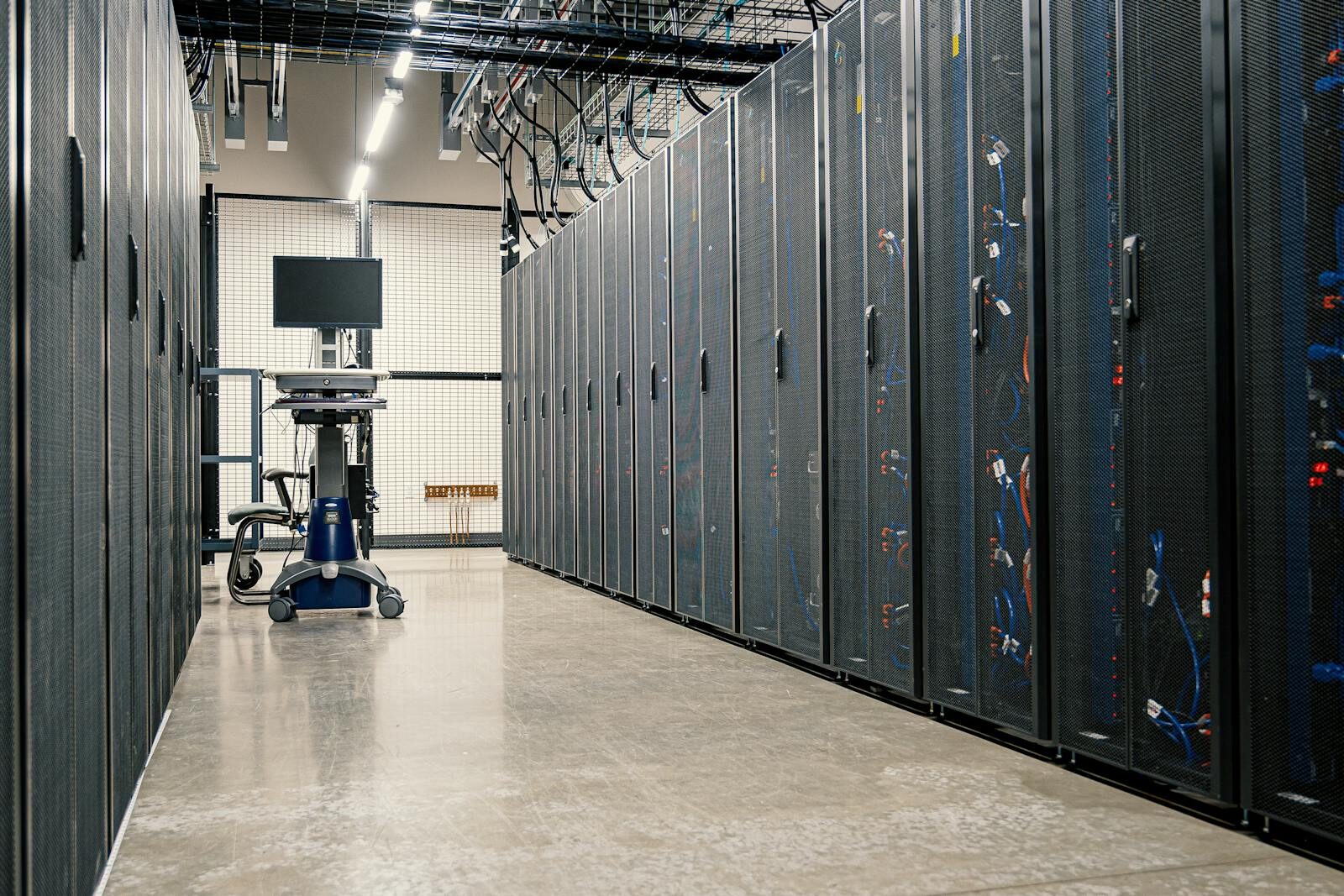
To determine the 10 largest data centers in the US, we evaluated several datasets using a specific set of criteria: power capacity (MW), floor space, and scale of facilities, based on data from this year and 2025. The most important metric in our analysis was how many homes each facility could power — calculated at 1,000 US homes per MWh, based on an average household consumption of 10,800 kWh/year.
Data center construction has become one of the most financially significant issues of the past decade. The AI data center industry is growing so rapidly that expansion costs could reach as high as $1 trillion per year by the end of this decade. Most of that spending will come from the world’s largest tech companies — particularly Microsoft, Alphabet, Amazon, and OpenAI — though some utilities and financial firms have also begun providing capital.
Data centers are not without controversy. Despite the potential benefits they bring — such as expanding local tax bases and creating jobs — many communities have pushed back against hosting them. The facilities consume massive amounts of electricity, which can drive up residential energy prices. That’s only part of the concern. According to Consumer Reports, the facilities also compete for critical resources like water and land, can lower air quality, increase traffic, and often benefit from zoning changes and significant tax breaks.
Opposition has already turned political. A proposed $1.6 billion data center outside Cleveland was recently rejected; Mayor Justin Bibb cited concerns about the project’s impact on surrounding neighborhoods. The pushback is nationwide: according to Data Center Watch, $64 billion worth of data center projects have been blocked or delayed due to local opposition. The issue is expected to become a factor in both midterm and presidential elections.
A common question raised by activists and politicians is how many homes these facilities could power instead. While this may not be a pressing concern everywhere, it is particularly relevant in regions with limited electricity generation capacity — especially the American Southwest, where rivers and reservoirs that once powered hydroelectric turbines are shrinking. Lake Mead, for example, now generates less electricity due to historically low water levels. As the Arizona Farm Bureau reports, reduced output makes each unit of power more expensive and less competitive with other energy sources.
Our analysis drew on data from UAF.com, Axios, Black Ridge Research, Electric Choice, Business Insider, S&P Global, Energy.gov, the Belfer Center, WoodMac, and various local media outlets.
Another key consideration is the energy source powering these facilities and its contribution to climate change. Depending on location, these data centers may draw power from coal, natural gas, wind, solar, or nuclear energy.
Below are the ten largest data centers in America, ranked by power output and the number of homes they could power annually.
1. Meta Altoona Campus (Altoona, Iowa)
- Power: 1,400 MW .
- Homes equivalent: 1.3 million.
- One of the largest hyperscale sites
2. Meta Prineville Campus (Prineville, Oregon)
- Power: 1,289 MW
- Homes equivalent: 1.2 million.
- Multi-building campus
3. IREN Childress (Childress, Texas)
- Power: 750 MW.
- Homes equivalent: 600,000.
- One of the largest single-site developments.
4. Switch Citadel Campus (Sparks, NV)
- Power: 850 MW.
- Homes equivalent: 600,000
- Up to 7.2 million square foot facility.
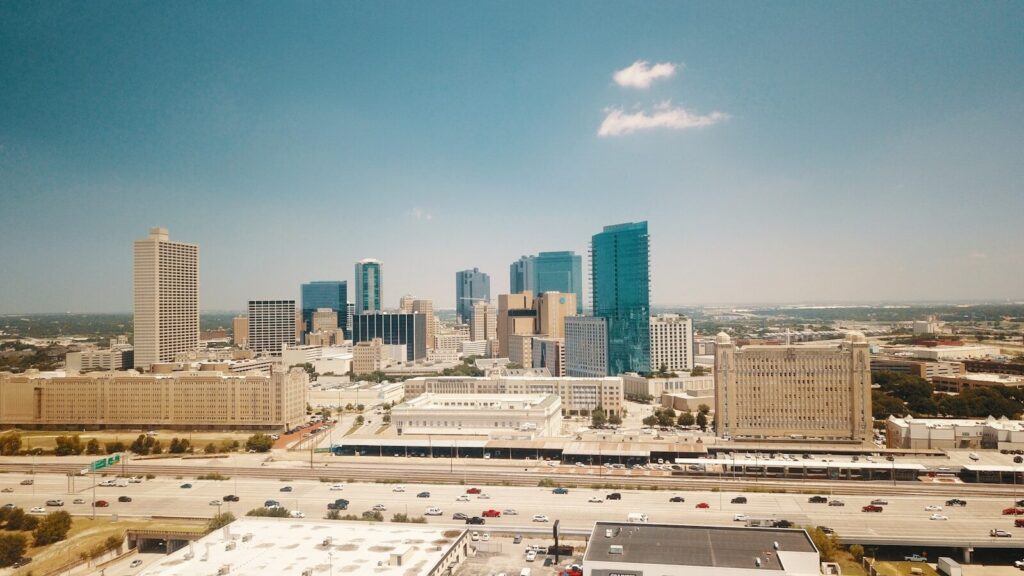
5. Meta Fort Worth (Fort Worth, TX)
- Power: 700 MW.
- Homes equivalent: 560,000.
- Meta’ is the parent company of Facebook
6. Microsoft Quincy Campus (Quincy, Washington)
- Power: 600 MWh.
- Homes equivalent: 480,000.
- Major Azure hub with hydro power. Azure is a part of Microsoft.
7. QTS Atlanta Metro (Atlanta, Georgia)
- Power: 600 MW per major building/campus .
- Homes equivalent: 240,000
- Large colocation facility
8. Digital Realty Lakeside Technology Center (Chicago, Illinois)
- Power: 100 MW.
- Homes equivalent: 80,000.
- One of the few located next to largest American cities
9. Switch SuperNAP / Las Vegas Campus (Las Vegas, Nevada)
- Power: 495 MW.
- Homes equivalent: 400,000.
- Renewable-focused electricity generation
10. NSA Utah Data Center (Bluffdale, Utah)
- Power: 400 MW depending on site could vary by final footprint
- Homes equivalent: 300,000
- Part of Google and Amazon buildouts.
More from ClimateCrisis 247
- Mapping the US Counties Where Climate Doubt is Spreading
- Proposed Data Centers Could Use More Electricity Than All Alabama Homes Combined, Analysis Shows. Who Will Pay?
- These Midwest Counties Are Under Flood Warnings due to Storms
- These Current or Planned AI Data Centers Are Bigger Than an Aircraft Carrier