Why This Hurricane Season Might Turn Out to Be a Quiet One
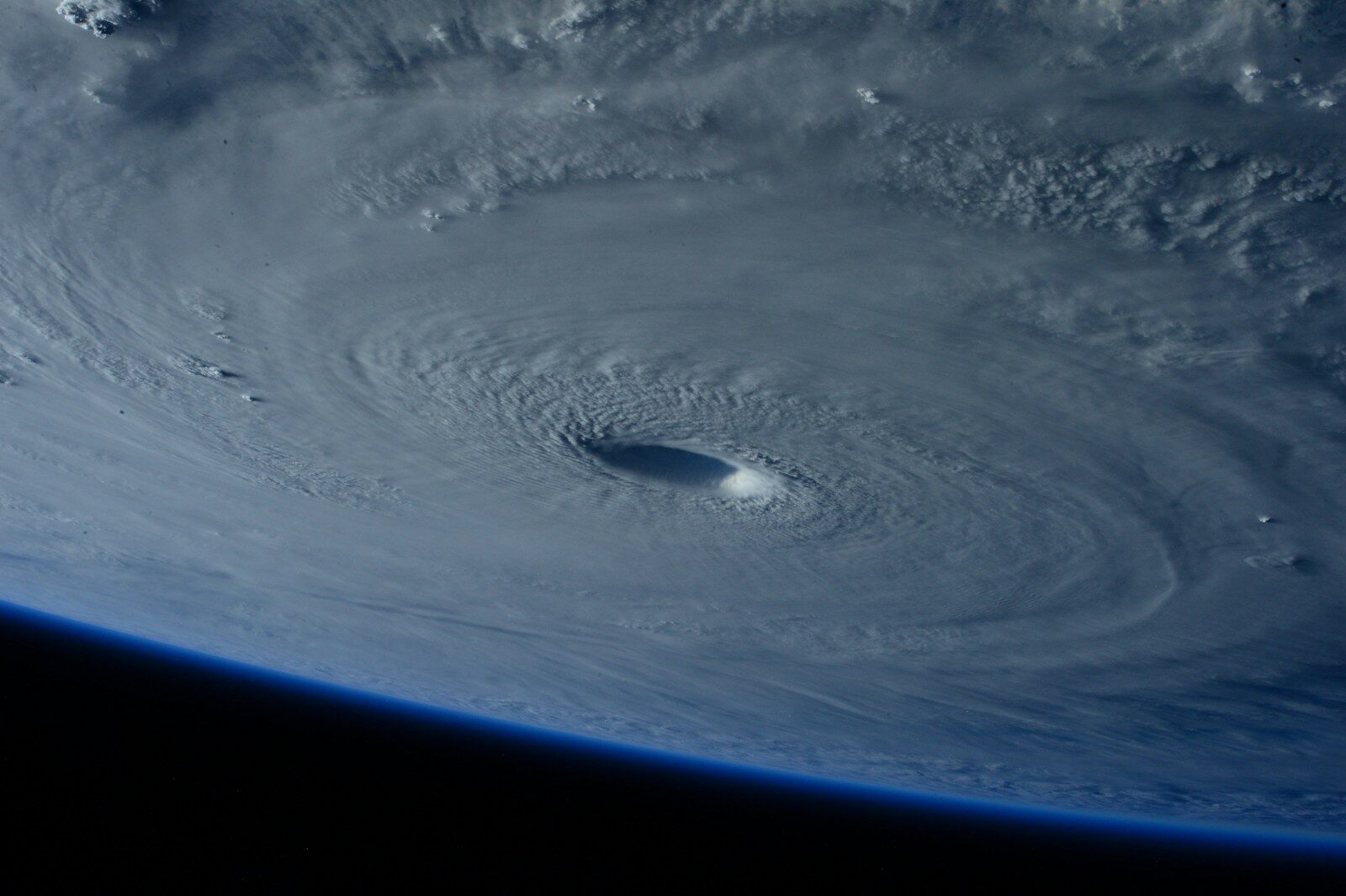
The hurricane season runs from June 1 to November 30. On May 21, NOAA issued its official forecast, calling for 8-14 named storms (winds of 39 mph or higher). Of these, 3-6 were forecast to become hurricanes (winds of 74 mph or higher), and one to three were expected to be major hurricanes (Category 3, 4, or 5, with winds of 111 mph or higher). The agency said there was a 70% probability this forecast would prove accurate.
On August 6, NOAA revised that forecast. The number of expected named storms dropped to 7-13 (winds of 39 mph or greater), of which 2-6 could become hurricanes (winds of 74 mph or greater). Zero to two of those were projected to become major hurricanes (winds of 111 mph or greater). Two tropical storms have already formed this season.
The primary reason for the revision is the growing strength of what has been named a “Super” El Niño. Fox Weather reports that while such a strong El Niño is expected to virtually shut down hurricane formation in the open waters of the Atlantic, it would still allow for so-called “homegrown” tropical systems in the northern Gulf and along the Southeast coast.
Over the past several years, hot surface water in the South Atlantic — and even hotter water in the Gulf of Mexico — has fueled massive storms. This dynamic drove two Category 5 hurricanes in 2024: Hurricane Beryl in July and Hurricane Milton in October, both of which underwent rapid intensification at a near-record pace.
There is a second significant reason this year’s hurricane season may produce very few storms, and its trigger lies as far away as Africa. The Weather Channel reports that a massive Saharan dust plume is crossing the Atlantic and is expected to suppress tropical development, leading to a quieter 2026 hurricane season and affecting weather, air quality, and sunsets across the U.S. Gulf and Atlantic coasts.
It’s worth noting that this year could still see a moderate number of tropical storms and hurricanes. However, as was the case last year, many of these may stay out at sea. Most public attention focuses on storms that make landfall in the US, since those are the ones capable of causing billions of dollars in property damage and threatening human lives.
No hurricanes made U.S. landfall in 2000, 2001, 2006, 2009, 2010, 2013, 2015, or 2025. In the late 20th century, the two most recent years this happened were 1990 and 1994.
If the US dodges major storms again this year, it will be unusually fortunate. The NOAA Office for Coastal Management released a study on the catastrophic 2024 hurricane season, noting that Hurricane Helene — which made landfall near Perry, Florida, on September 26, 2024, with sustained winds of 140 mph — was the strongest hurricane on record to strike Florida’s Big Bend region, and the third hurricane to hit that region in just over a year. Helene killed more people than any hurricane since Katrina struck New Orleans in 2005.
Since 1990, the odds of a hurricane season with no US strikes have been about 28%. This year’s conditions may push those odds even lower.
More from ClimateCrisis 247
- Cities That See 100 Degrees At Least One Day Every Year
- From NJ to Hawaii, The US Cities Hit Hardest by Coastal Flooding In Last 10 Years
- 10 US Cities Where Fall is Feeling More Like Summer
- The 15 Driest States In America