The Largest US Wildfires Of The 21st Century
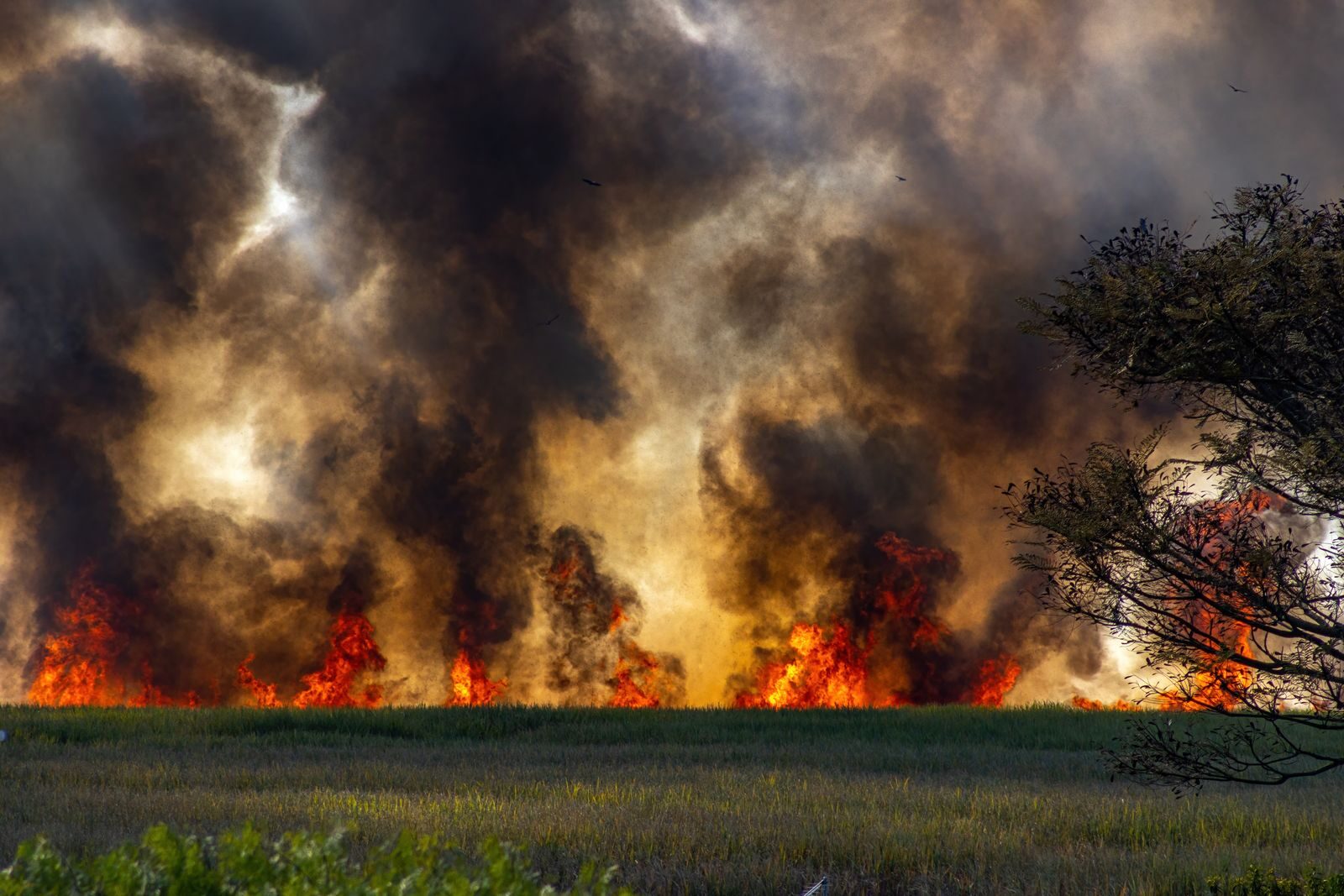
Hundreds of wildfires are burning in Canada today, sending smoke as far east as New York City. According to the BBC, “There are currently 858 fires actively burning in Canada, including 30 new fires on Thursday, according to the Canadian Wildland Fire Information System. The vast majority are burning out of control.” Many of these fires are burning in remote areas that are difficult to reach with firefighting equipment.
The U.S. has experienced many wildfires in the 21st century that are much larger than those currently burning in Canada. Several of these fires have burned over one million acres — an area about the size of Delaware.
Wildfires are typically caused by one of three factors. The first is accidental causes, ranging from campfires to downed power lines. The second is nature, primarily in the form of lightning. The third is arson — fires set intentionally.
Wildfire conditions are worsening. Based on data from NASA’s Terra and Aqua satellites, “Scientists studied this data over a 21-year span and found that extreme wildfires have become more frequent, more intense, and larger.” Much of this increase has occurred in the western U.S. and in the boreal forests of northern North America and Russia. The International Boreal Forest Research Association writes, “The boreal forest (or ‘taiga’) is the world’s largest land biome. The boreal ecozone principally spans 8 countries: Canada, China, Finland, Japan, Norway, Russia, Sweden and the United States. It is typically comprised of coniferous tree species such as pine, spruce and fir, with some broadleaf species such as poplar and birch.”
Drought is a major driver of the increase in both the number of fires and the acreage burned. The Western Fire Chiefs Association points out that “Drought has made wildfires in the United States worse and more frequent, especially in the western states.” Excluding Alaska, the largest wildfires of the 21st century have occurred in California and Texas.
2026 is on track to be a record-breaking fire season. The National Interagency Fire Center reports that there have been 39,764 fires this year, which have burned 3,674,911 acres. The number of fires is the highest it has been in the past 10 years.
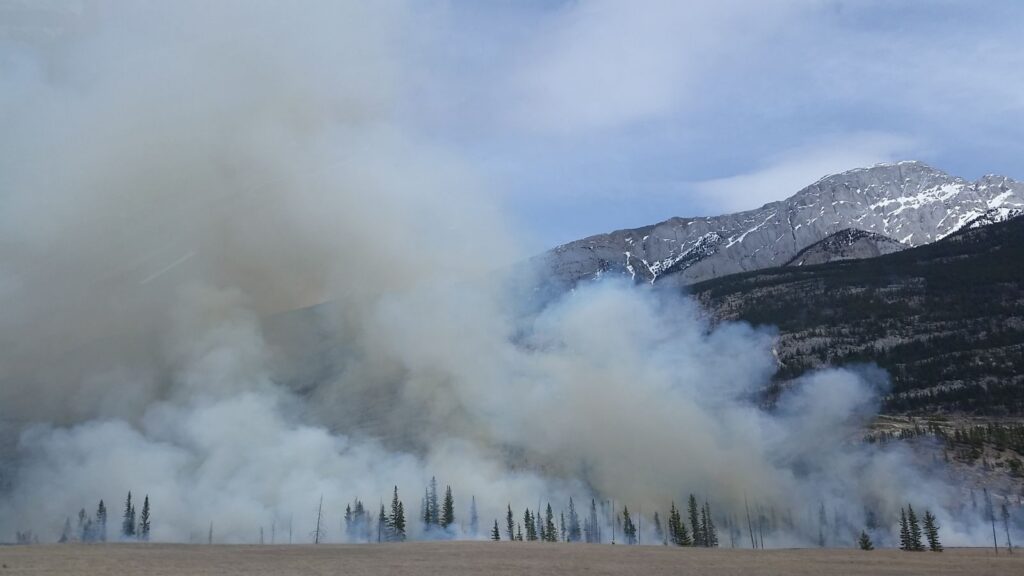
Below are the largest U.S. wildfires of the 21st century, ranked by acreage burned:
Taylor Complex Fire (Alaska, 2004)
Burned 1,305,592 acres during Alaska’s record fire season, which in total burned 6.6 million acres. The American Meteorological Society reports that “the Taylor Complex Fire was related to one of the warmest and driest summers on record.”
August Complex (California, 2020)
Burned 1,032,648 acres, making it the largest single wildfire in modern California history. It was not actually a single fire: FireScape Mendocino reports that “A significant pattern of lightning activity covered much of California that started the weekend of August 15 and 16, 2020, initially causing 38 local fires.”
Smokehouse Creek Fire (Texas/Oklahoma, 2024)
Burned 1,058,482 acres, making it Texas’s largest wildfire on record. A fast-spreading grassland fire driven by high winds, according to OroraTech, “Over nearly three relentless weeks, the fire destroyed around 500 structures, killed more than 15,000 cattle, caused an estimated $123 million in damages, and tragically claimed two lives.”
Dixie Fire (California, 2021)
Burned 963,309 acres, making it the second-largest single fire in California history. According to CNN, “The Dixie Fire was sparked when power lines owned by Pacific Gas and Electric (PG&E) came into contact with a tree, fire officials said.”
East Amarillo Complex (Texas, 2006)
Burned 907,245 acres in the Texas Panhandle. According to the Amarillo Globe-News, the fire killed 12 people.
Lime Complex (Alaska, 2022)
Burned 892,900 acres as part of a large, remote Alaskan wildfire complex. According to The Guardian, this fire was part of a group of 264 individual fires burning at the time.
More from ClimateCrisis 247
- The 10 Most Sustainable Countries In The World
- States Where Tax Payers Will Pay The Most for Rising Sea Levels
- The 10 Least Sustainable Countries In The World
- The Worst Back-to-Back Hurricanes in US History