These are America’s Driest Cities
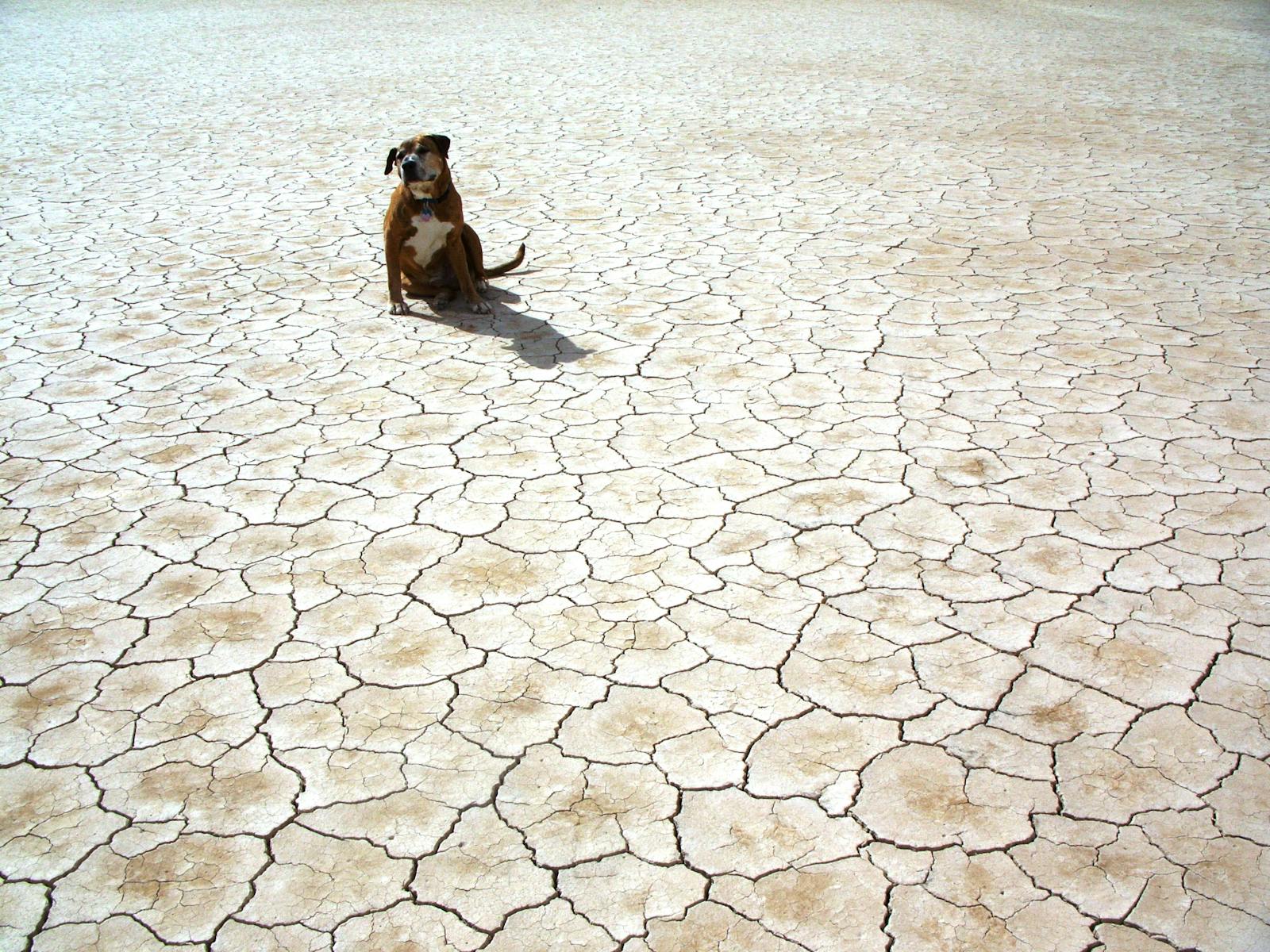
Much of America is plagued by drought. In 2022, scientists called the drought in the Western US and northern Mexico one of the worst in history. The journal Nature reported, “the 19-yr soil moisture anomaly from 2000 to 2018 was probably the second driest in at least 1,200 years, exceeded only by a 19-yr interval during the last of the megadroughts, in the late 1500s.” How did this happen? NPR reports, “Today, the region is home to tens of millions of people, massive agricultural centers and some of the fastest-growing cities in the U.S. — all in an area where there’s less water available than there was in the past, partially due to human-caused climate change.” Some of the cities on our list of driest cities are in this region.
The ways cities handle drought are often counterproductive and rarely consider effects more than a few years into the future. ScienceDirect recently published a research paper titled “Guiding cities under increased droughts: The limits to sustainable urban futures.” The authors noted, “Policy responses from cities to droughts lack consideration of long-term climatic and socio-economic scenarios, and focus on short-term emergency actions that disregard sustainability in the connected regional and river basin systems.” In other words, things are not likely to improve much.
However, drought has not prevented these cities from growing. Las Vegas grew by 5% between 2020 and 2024 and is currently America’s 24th largest city. Phoenix, America’s 5th largest city, grew by 4% during the same period. Bakersfield, the 47th largest city, grew by almost 4% as well.
The driest places in the United States during the 21st century remain concentrated in the Southwestern deserts, particularly Arizona, Nevada, New Mexico, and parts of Utah and California. During most of the year, these regions show up as areas of severe drought on the U.S Drought Monitor, characterized as “extreme drought” or “exceptional drought.” These areas and cities are also often among the hottest in America, where it is not unusual for temperatures to rise above 100 degrees Fahrenheit in the summer.
Our rankings for driest cities are based on annual precipitation from 1991 to 2025, using data from Redfin, the National Integrated Drought Information System, Current Results, and local news sites. Population and square mileage data are from the U.S. Census.
Here are the driest major cities with populations of at least 50,000 residents, with approximate average annual precipitation, current population (2024), land area (square miles), and their founding/incorporation date:
Yuma, Arizona
- Average annual precipitation: 3.2–3.5 inches (often cited as the driest major U.S. city)
- Population: 95,500–100,000
- Land area: 121 square miles
- Founded: Settled as Colorado City in 1854; renamed Arizona City (1862), then Yuma (1873); incorporated as a town in 1902 and city in 1914
Lake Havasu City, Arizona
- Average annual precipitation: 4.2 inches
- Population: 57,000–60,000
- Land area: 46 square miles
- Founded: Established as a planned community in 1963–1964 by Robert P. McCulloch; incorporated in 1978
Las Vegas, Nevada
- Average annual precipitation: 4.2 inches
- Population: 641,000–650,000
- Land area: 142 square miles
- Founded: Settled in 1905; officially incorporated as a city in 1911
Bakersfield, California
- Average annual precipitation: 6.4 inches
- Population: 403,000–410,000
- Land area: 150–151 square miles
- Founded: Settled/named in 1869 after Thomas Baker; first incorporated 1873 (disincorporated 1876); re-incorporated January 11, 1898
Phoenix, Arizona
- Average annual precipitation: 7–8 inches
- Population: 1.6–1.65 million (America’s fifth largest city)
- Land area: 519 square miles
- Founded: Settled in 1867 as an agricultural community; incorporated as a city in 1881
Other notable dry cities often in top-10 lists include Reno, Nevada (7–8 inches precipitation), El Paso, Texas, and Farmington, New Mexico (all with less than 10 inches).
These desert locations have experienced long-term drought in part because of rain shadows from mountain ranges and subtropical high-pressure systems. The 21st century has been plagued by intensified megadrought conditions in the region, with particularly low rainfall in 2024 and 2025.