Trump Won These States in 2024 — Now Their Voters Want More Climate Action
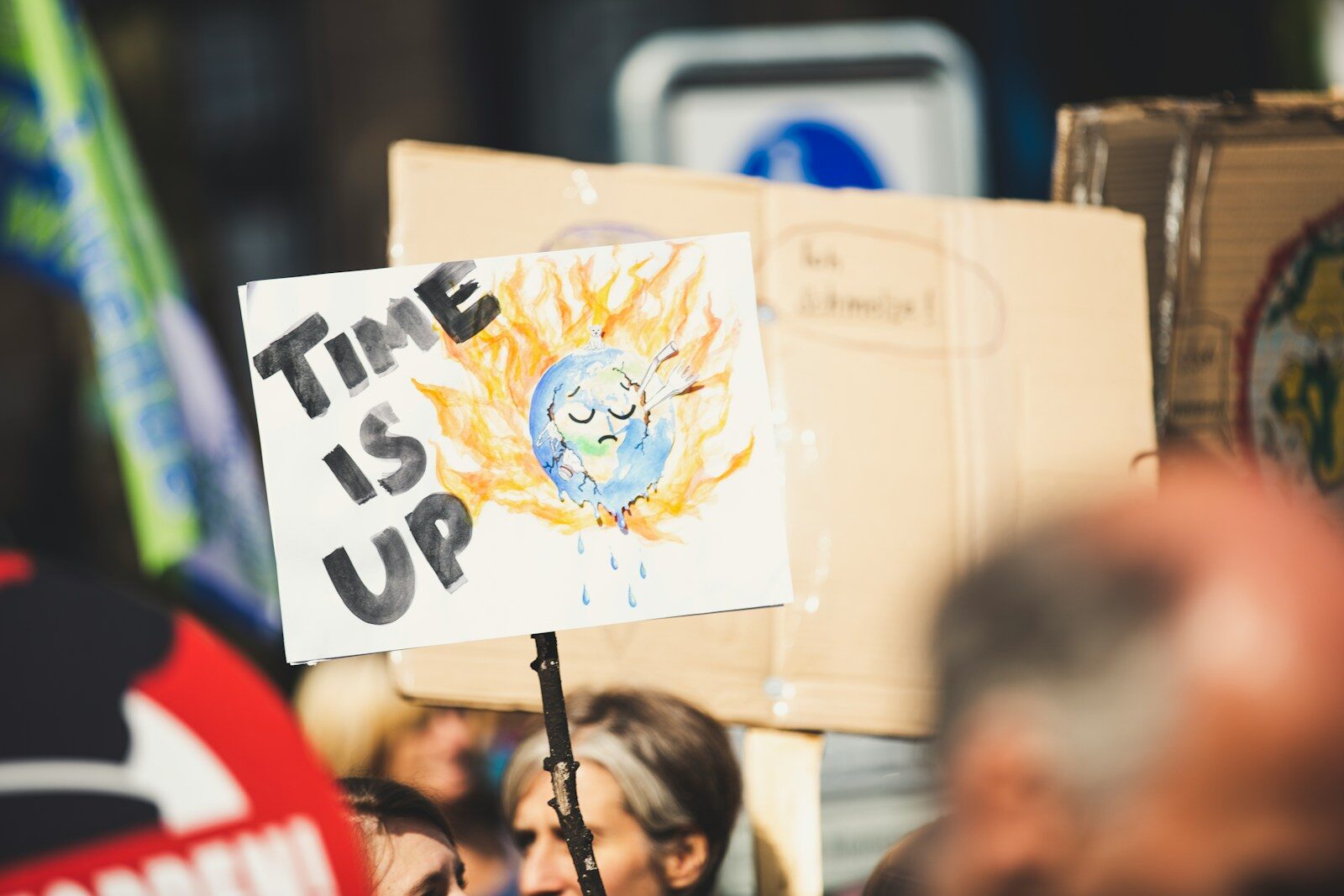
Since President Trump took office in January 2025, federal policy toward climate change has shifted dramatically. So far during his second term, Trump has rolled back restrictions on oil drilling, slashed funding for the Environmental Protection Agency, allocated hundreds of millions of dollars to the coal industry, withdrew from the Paris Climate Agreement, and ended federal tax incentives for electric vehicle buyers. But now, amid soaring temperatures and increasingly destructive severe weather, public opinion appears to be moving in the opposite direction of the Trump administration.
According to polling data from the Yale Program on Climate Change Communication, the share of American adults who think the U.S. president should do more to address global warming jumped from 56.3% in 2024, the year Trump was elected to a second term, to 59.3% in 2025. This 3 percentage point increase reflects a net increase of approximately 7.9 million adults nationwide. The share of Americans who say congress should do more to address global warming, and that clean energy development should be a priority for congress and the president, also increased slightly over the last year.
Notably, some of the most pronounced changes in public opinion regarding the president and climate change were reported in states that helped Trump secure the White House on Election Day 2024. With the midterm elections only months away, the administration’s handling of climate issues may prove to be a liability, not only in swing states, but also some Republican strongholds.
Using survey data from the YPCCC, Climate Crisis 247 identified the red states where voters are turning on Trump-era climate policies. We ranked every state that Trump won in 2024 on the percentage point increase, between 2024 and 2025, on the share of adults who think the president should do more to address global warming. All additional survey data is from the YPCCC and supplemental election data is from The American Presidency Project from UC Santa Barbara. The YPCCC bears no responsibility for the analyses or interpretations of the data presented here.

10. Montana
- Residents who say the president should do more to address global warming: 52.3% in 2025; 48.6% in 2024 (net increase of approx. 32,640 people)
- Residents who say congress should do more to address global warming: 53.5% in 2025; 52.9% in 2024 (net increase of approx. 4,852 people)
- Residents who say Washington should prioritize clean energy: 54.9% in 2025; 54.4% in 2024 (net increase of approx. 4,499 people)
- Trump margin of victory in 2024: 19.9 percentage points (120,173 more votes than Harris)
9. Michigan
- Residents who say the president should do more to address global warming: 57.6% in 2025; 53.9% in 2024 (net increase of approx. 294,473 people)
- Residents who say congress should do more to address global warming: 60.4% in 2025; 59.6% in 2024 (net increase of approx. 68,261 people)
- Residents who say Washington should prioritize clean energy: 61.3% in 2025; 61.0% in 2024 (net increase of approx. 29,368 people)
- Trump margin of victory in 2024: 1.4 percentage points (80,103 more votes than Harris)
8. Indiana
- Residents who say the president should do more to address global warming: 54.4% in 2025; 50.5% in 2024 (net increase of approx. 205,535 people)
- Residents who say congress should do more to address global warming: 54.4% in 2025; 52.9% in 2024 (net increase of approx. 76,221 people)
- Residents who say Washington should prioritize clean energy: 56.9% in 2025; 56.6% in 2024 (net increase of approx. 15,770 people)
- Trump margin of victory in 2024: 19.0 percentage points (556,744 more votes than Harris)
7. Kansas
- Residents who say the president should do more to address global warming: 52.9% in 2025; 48.9% in 2024 (net increase of approx. 89,429 people)
- Residents who say congress should do more to address global warming: 54.3% in 2025; 53.0% in 2024 (net increase of approx. 28,986 people)
- Residents who say Washington should prioritize clean energy: 57.1% in 2025; 56.0% in 2024 (net increase of approx. 24,267 people)
- Trump margin of victory in 2024: 16.1 percentage points (213,949 more votes than Harris)
6. Arkansas
- Residents who say the president should do more to address global warming: 51.9% in 2025; 47.7% in 2024 (net increase of approx. 97,057 people)
- Residents who say congress should do more to address global warming: 52.5% in 2025; 50.7% in 2024 (net increase of approx. 42,668 people)
- Residents who say Washington should prioritize clean energy: 54.6% in 2025; 53.5% in 2024 (net increase of approx. 24,850 people)
- Trump margin of victory in 2024: 30.6 percentage points (362,336 more votes than Harris)
5. West Virginia
- Residents who say the president should do more to address global warming: 49.1% in 2025; 44.4% in 2024 (net increase of approx. 67,278 people)
- Residents who say congress should do more to address global warming: 49.7% in 2025; 46.5% in 2024 (net increase of approx. 44,236 people)
- Residents who say Washington should prioritize clean energy: 51.7% in 2025; 50.6% in 2024 (net increase of approx. 15,504 people)
- Trump margin of victory in 2024: 41.9 percentage points (319,247 more votes than Harris)
4. Alaska
- Residents who say the president should do more to address global warming: 55.5% in 2025; 50.0% in 2024 (net increase of approx. 30,440 people)
- Residents who say congress should do more to address global warming: 56.8% in 2025; 54.2% in 2024 (net increase of approx. 14,410 people)
- Residents who say Washington should prioritize clean energy: 58.2% in 2025; 56.5% in 2024 (net increase of approx. 9,663 people)
- Trump margin of victory in 2024: 13.1 percentage points (44,432 more votes than Harris)
3. Louisiana
- Residents who say the president should do more to address global warming: 52.9% in 2025; 47.0% in 2024 (net increase of approx. 206,806 people)
- Residents who say congress should do more to address global warming: 54.0% in 2025; 50.2% in 2024 (net increase of approx. 134,459 people)
- Residents who say Washington should prioritize clean energy: 57.3% in 2025; 54.6% in 2024 (net increase of approx. 94,580 people)
- Trump margin of victory in 2024: 22.0 percentage points (441,635 more votes than Harris)
2. Wyoming
- Residents who say the president should do more to address global warming: 47.3% in 2025; 41.1% in 2024 (net increase of approx. 28,196 people)
- Residents who say congress should do more to address global warming: 47.8% in 2025; 43.5% in 2024 (net increase of approx. 19,353 people)
- Residents who say Washington should prioritize clean energy: 49.9% in 2025; 46.5% in 2024 (net increase of approx. 15,113 people)
- Trump margin of victory in 2024: 45.8 percentage points (123,106 more votes than Harris)
1. North Dakota
- Residents who say the president should do more to address global warming: 48.2% in 2025; 41.5% in 2024 (net increase of approx. 40,166 people)
- Residents who say congress should do more to address global warming: 48.9% in 2025; 44.4% in 2024 (net increase of approx. 26,777 people)
- Residents who say Washington should prioritize clean energy: 51.3% in 2025; 47.6% in 2024 (net increase of approx. 22,154 people)
- Trump margin of victory in 2024: 36.5 percentage points (134,178 more votes than Harris)
More from ClimateCrisis 247
- The Least Reliable Electric Vehicles, According to Consumer Reports
- At the Wall of Wind, engineers blow homes apart to learn how to save them
- The U.S. States Where the Sea Is Rising Fastest
- Is coal really making a comeback?