US Cities Where Extreme Heat is Causing The Most Sleep Loss

Temperatures around the world have been rising at an unprecedented rate for decades, and multiple, climate-related knock-on effects have been well established. The global warming phenomenon is directly linked to glacial melt, sea level rise, and severe weather events – such as droughts, heat waves, and hurricanes – growing in both frequency and intensity. Now, a recent report from the non-profit research and advocacy group Climate Central has found that higher temperatures are also taking a toll on public health.
Around the world, the average person loses about 56 hours of sleep each year due to high temperatures, and according to the report, six of those hours are attributable to global warming. Even in the United States, where more than 93% of households have air conditioning, extreme heat is taking a meaningful toll. In major cities across multiple states, including Arizona, Florida, Louisiana, and Texas, the average person is cumulatively losing multiple days of sleep over the course of a year – and the negative effects of sleep deprivation can be severe.
In addition to greater risk of depression, anxiety, irritability, and brain fog, sleep deprivation can also have life-threatening consequences. According to researchers at Johns Hopkins, insufficient sleep can triple the risk of developing Type 2 Diabetes and increase the risk of heart disease and colorectal cancer by 48% and 36%, respectively. Furthermore, approximately 6,000 fatal crashes on American roadways are attributed to drowsy driving each year.
Using data from Climate Central, Climate Crisis 247 identified the U.S. cities where extreme heat causes the most sleep deprivation. We ranked all 252 American cities included in the study on the amount of sleep the average person lost per year due to high temperatures between 2020 and 2025. Supplemental data on local summer temperature norms are 30-year averages, recorded between 1991 and 2020, as reported by the National Oceanic and Atmospheric Administration. County level data on the number of households with some form of air conditioning is from the U.S. Census Bureau.
Among the 10 cities on this list, individuals lose an average of anywhere from 62 to 80 hours of sleep each year due to extreme heat – and as many as eight of those hours are a direct result of climate change. In each of these cities, daily temperatures during the summer months typically do not fall below 74°F, well above the 60–67-degree range identified by medical experts as optimal for sleep.
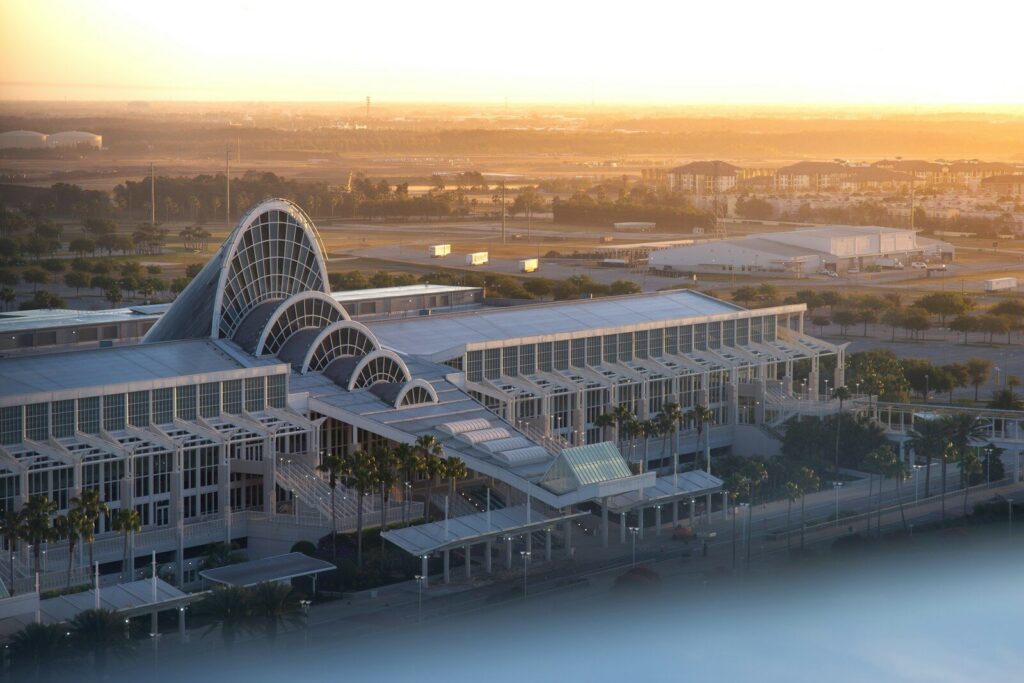
10. Orlando, Florida
- Avg. annual sleep loss due to nighttime heat, 2020-2025: 62 hours per person (8 hours due to climate change)
- Avg. annual sleep loss due to nighttime heat, 1970-1975: 55 hours per person (2 hours due to climate change)
- Local summer temperature norms: 83.0°F daily avg. (91.5°F daily high, 74.6°F daily low)
- Estimated households with no air conditioning across broader Orange County: 2,042 (0.4% of all local households)
9. Corpus Christi, Texas
- Avg. annual sleep loss due to nighttime heat, 2020-2025: 64 hours per person (5 hours due to climate change)
- Avg. annual sleep loss due to nighttime heat, 1970-1975: 59 hours per person (1 hours due to climate change)
- Local summer temperature norms: 84.4°F daily avg. (93.4°F daily high, 75.4°F daily low)
- Estimated households with no air conditioning across broader Nueces County: 1,178 (0.9% of all local households)
8. Laredo, Texas
- Avg. annual sleep loss due to nighttime heat, 2020-2025: 64 hours per person (7 hours due to climate change)
- Avg. annual sleep loss due to nighttime heat, 1970-1975: 58 hours per person (2 hours due to climate change)
- Local summer temperature norms: 88.5°F daily avg. (100.1°F daily high, 76.9°F daily low)
- Estimated households with no air conditioning across broader Webb County: 478 (0.6% of all local households)
7. Tampa, Florida
- Avg. annual sleep loss due to nighttime heat, 2020-2025: 64 hours per person (7 hours due to climate change)
- Avg. annual sleep loss due to nighttime heat, 1970-1975: 57 hours per person (2 hours due to climate change)
- Local summer temperature norms: 83.6°F daily avg. (90.9°F daily high, 76.3°F daily low)
- Estimated households with no air conditioning across broader Hillsborough County: 2,276 (0.4% of all local households)
6. Sarasota, Florida
- Avg. annual sleep loss due to nighttime heat, 2020-2025: 65 hours per person (7 hours due to climate change)
- Avg. annual sleep loss due to nighttime heat, 1970-1975: 59 hours per person (2 hours due to climate change)
- Local summer temperature norms: 82.8°F daily avg. (90.8°F daily high, 74.7°F daily low)
- Estimated households with no air conditioning across broader Sarasota County: 1,025 (0.5% of all local households)
5. McAllen, Texas
- Avg. annual sleep loss due to nighttime heat, 2020-2025: 66 hours per person (6 hours due to climate change)
- Avg. annual sleep loss due to nighttime heat, 1970-1975: 61 hours per person (2 hours due to climate change)
- Local summer temperature norms: 87.0°F daily avg. (97.6°F daily high, 76.4°F daily low)
- Estimated households with no air conditioning across broader Hidalgo County: 1,840 (0.7% of all local households)
4. Fort Myers, Florida
- Avg. annual sleep loss due to nighttime heat, 2020-2025: 69 hours per person (7 hours due to climate change)
- Avg. annual sleep loss due to nighttime heat, 1970-1975: 62 hours per person (2 hours due to climate change)
- Local summer temperature norms: 83.0°F daily avg. (91.4°F daily high, 74.5°F daily low)
- Estimated households with no air conditioning across broader Lee County: 961 (0.3% of all local households)
3. Honolulu, Hawaii
- Avg. annual sleep loss due to nighttime heat, 2020-2025: 80 hours per person (5 hours due to climate change)
- Avg. annual sleep loss due to nighttime heat, 1970-1975: 76 hours per person (2 hours due to climate change)
- Local summer temperature norms: 81.4°F daily avg. (87.9°F daily high, 74.8°F daily low)
- Estimated households with no air conditioning across broader Honolulu County: 124,374 (36.9% of all local households)
2. Miami, Florida
- Avg. annual sleep loss due to nighttime heat, 2020-2025: 80 hours per person (6 hours due to climate change)
- Avg. annual sleep loss due to nighttime heat, 1970-1975: 74 hours per person (2 hours due to climate change)
- Local summer temperature norms: 83.7°F daily avg. (90.2°F daily high, 77.2°F daily low)
- Estimated households with no air conditioning across broader Miami-Dade County: 6,748 (0.7% of all local households)
1. West Palm Beach, Florida
- Avg. annual sleep loss due to nighttime heat, 2020-2025: 80 hours per person (7 hours due to climate change)
- Avg. annual sleep loss due to nighttime heat, 1970-1975: 73 hours per person (2 hours due to climate change)
- Local summer temperature norms: 82.6°F daily avg. (89.4°F daily high, 75.9°F daily low)
- Estimated households with no air conditioning across broader Palm Beach County: 2,989 (0.5% of all local households)
More from ClimateCrisis 247
- Fastest Warming Congressional Districts Where Politician is Funded by Fossil Fuel Industry
- America’s Best And Worst Cities To Own An EV
- Climate Change Is Increasing Simultaneous Exposure to Heat Waves and Wildfire Smoke
- Wildlife Populations Have Plunged Globally, But Some Buck the Trend