World’s Plastics Problem Sickens More Humans
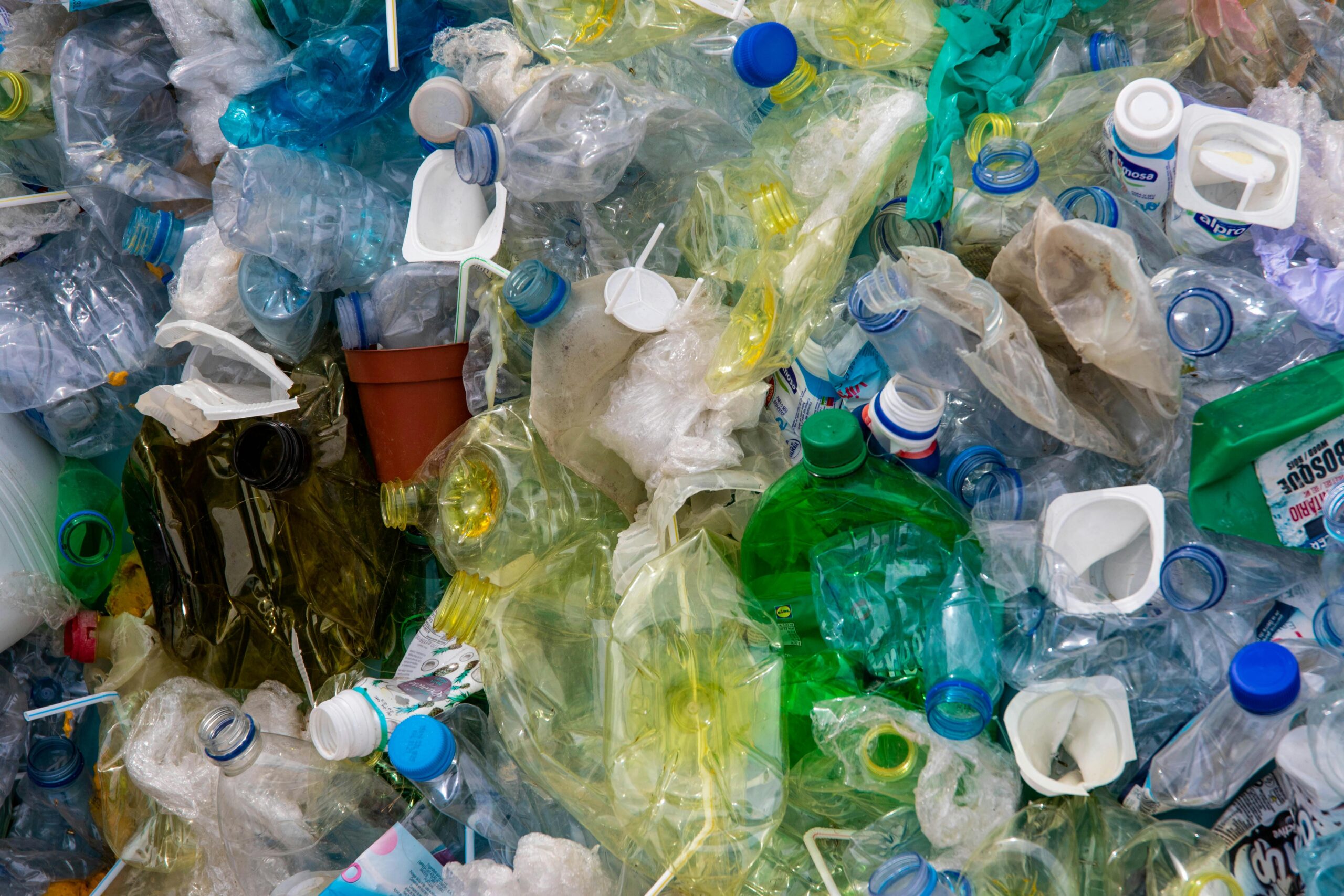
About 400 tons of plastic waste is produced each year. There is a large body of data that is not only damaging to the environment, but also endangers human health. The global negotiations to cut plastic pollution have fallen apart.
The UN Intergovernmental Negotiating Committee has met five times in an attempt to create a global plastics production and waste agreement. The most recent of these ended last week. And, it ended in failure. This leaves 184 countries to act as they would like in terms of plastics manufacturing and disposal. Plastics regulations are as important as deals on greenhouse gas emissions. There is no meeting scheduled in the future to try to come to an accord.
The nations primarily responsible for the failure are Saudi Arabia, Russia and the US. Each argued that recycling is more practical than curbing production. However, recycling is fairly rare and not close to adequate to solve the plastics pollution challenge, Plastics are made from oil which is processed to create petrochemicals. For these three countries, the opposition is based on economic interests.
Global Pollution
Plastic pollution is a rising threat to human health. Micro and nanoplastics have been found in a number of human organs. The National Library of Medicine recently released a report which states plastics have been found in the lungs, digestive system, blood system, and brain. The paper’s authors report, “Bioaccumulation of plastics in the human body can potentially lead to a range of health issues, including respiratory disorders like lung cancer, asthma and hypersensitivity pneumonitis, neurological symptoms such as fatigue and dizziness, inflammatory bowel disease and even disturbances in gut microbiota. “
As this problem spreads across the world’s population, the number of people who can be sickened runs into the billions.
More from ClimateCrisis 247
- Cities Where Americans Have the Highest Water Bills
- New Documents Add to Evidence in Climate Deception Case Against ExxonMobil
- The 10 Most Sustainable Countries In The World
- States Where Tax Payers Will Pay The Most for Rising Sea Levels