“Drill, Baby, Drill” Collides With Big Oil Companies
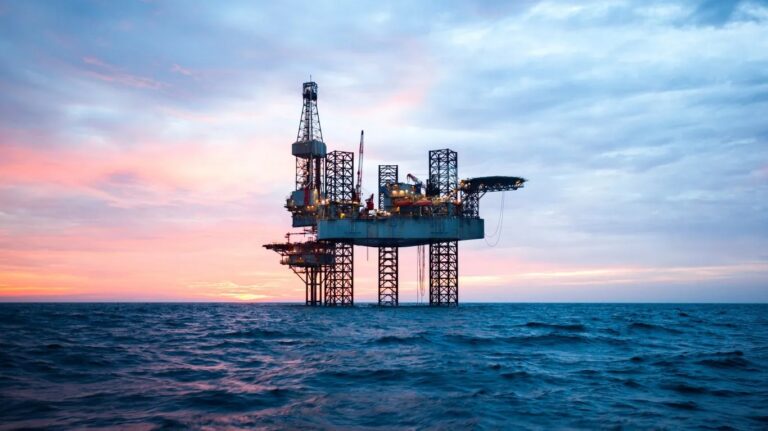
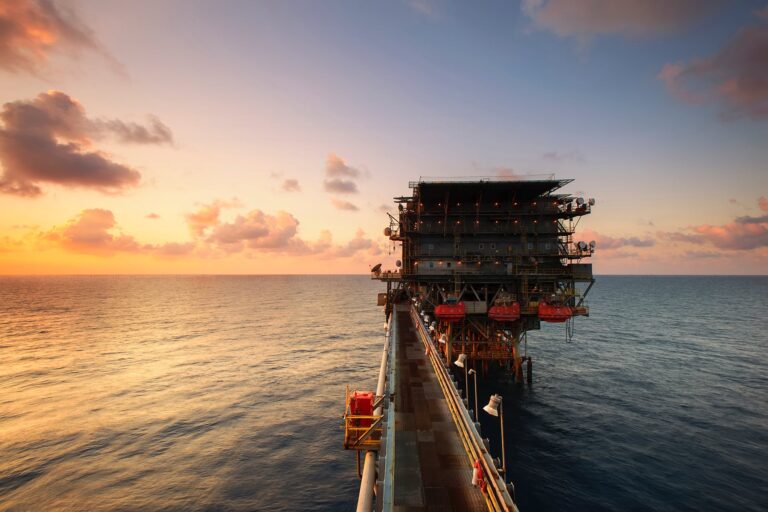
Trump’s plan to unchain oil company exploration was called his “drill baby drill” initiative. It opened millions of acres of land for oil companies to drill. Part of the initiative was to propose the 1.27 million acres of offshore areas be part of the program. The trouble with the new lease on life for oil companies is that rising oil prices make it much more likely that “big oil” will make billions of dollars in additional money from the production facilities that already exist. Oil.com said that Exxon expects its upstream profits for the first quarter to rise as much as $2.9 billion from the previous quarter. It did not have to drill a single new well to drive this improvement.
The Iranian war is the best thing to happen to oil companies’ bottom lines in decades.
In January 2025, the White House released an executive order titled “Unleashing American Energy.” The thinking behind it was that the US had untapped energy and natural resources. Access to these resources needed to be legally freed after being tied up by past administrations. Specifically, Trump said these laws. already in place. stopped expansion to untapped areas of the US. The executive order would allow oil companies to expand exploration into vast geographic areas.
The executive order was based on one premise: Without extremely broad access to land and offshore areas, which were likely attractive for oil and natural gas exploration, the American economy would be severely undermined. Demand for energy in the US was so strong that an increase in supply would boost GDP via industrial and individual use of oil and oil-related products like gasoline. “These high energy costs devastate American consumers by driving up the cost of transportation, heating, utilities, farming, and manufacturing, while weakening our national security,” the order said
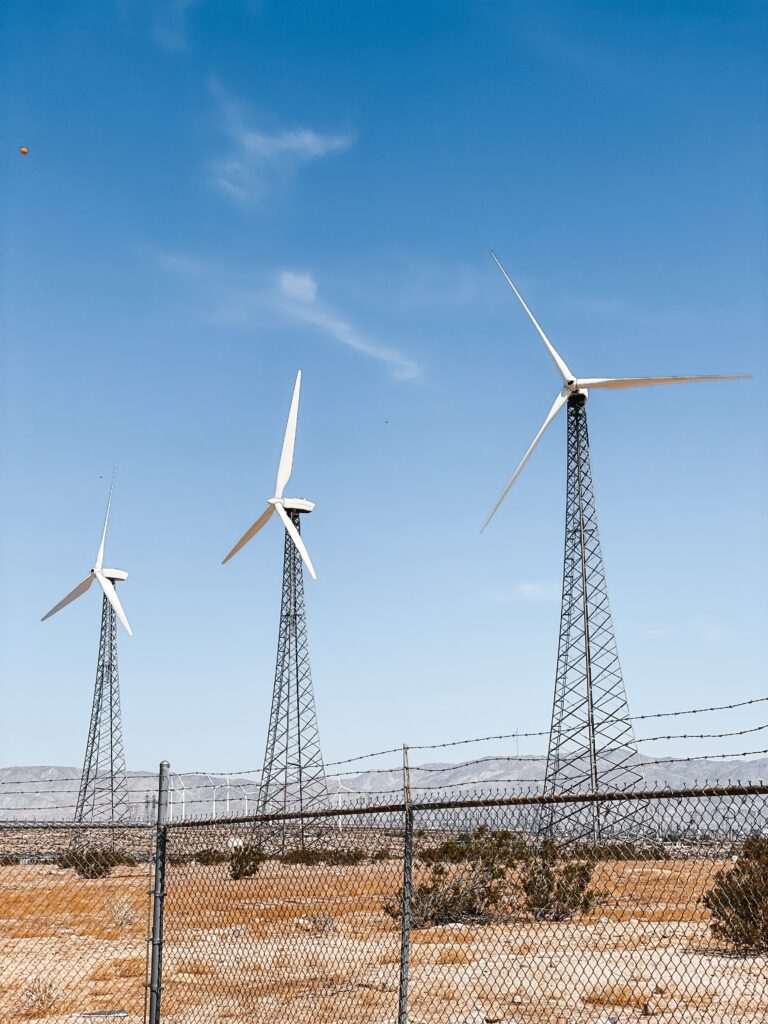
The order also eliminated the financial program encouraging EV sales, namely the $7,500 federal tax credit per EV purchase. Additionally, it was the beginning of a series of battles against green energy. The earliest major example of this was Trump’s effort to shut down offshore wind farm projects. Several of the nation’s largest wind farm projects were halted; these executive orders, which financially damaged several wind farm companies, were challenged in federal court. The wind farm companies won most of these challenges. The Administration decided to take another path. It paid TotalEnergies $1 billion to abandon a wind energy project and move “toward affordable, reliable natural gas projects that will provide secure energy for hardworking Americans.” What was supposed to be green turned un-greened quickly
Rather than move toward more drilling, large oil companies cut thousands of jobs. Skip York, an oil and gas expert and nonresident fellow at the Rice University Baker Institute’s Center for Energy Studies, told Oil and Gas News Watch, “The pressure on the oil company CEO is. Almost entirely to keep delivering returns to investors. It’s not ‘drill, baby, drill. It’s ‘profit, baby, profit.’” The exploration cost had actually damaged the stock prices of big oil companies, particularly compared to the S&P 500. During the S&P’s surge from April 2023 to late 2025, Exxon’s share price was flat.
An additional example of the oil companies’ lack of potential interest in exploration was the drilling leases offered in Alaska’s Cook Inlet federal waters. According to the Alaska Beacon, there was no bid. The U.S. The Bureau of Ocean Energy Management, which oversees oil and gas leasing in federal offshore territory, announced on its website, “At this time, no bids have been received.”
In sum, the Middle East conflict makes broad exploration among oil and gas companies unlikely. For now, oil companies can offer investors huge returns with oil and gas field expansion. According to Reuters, “Exxon produces close to 5 million barrels of oil per day. Assuming the same price rise per barrel, additional revenues in March would add up to about $5.1 billion.” While this is different from other estimates, it makes the point
Oil companies don’t want new leases. They want to collect money from the ones they already have.
More from ClimateCrisis 247
- From Deepwater Horizon to Donora: America’s Biggest Environmental Disasters
- While Consumers Pay More, Big Oil Makes Millions Every Hour
- The Highest Gas Prices of the Last 50 Years
- The 20 Largest Oil-Producing Nations in the World