The World’s Most Important Oil Chokepoints
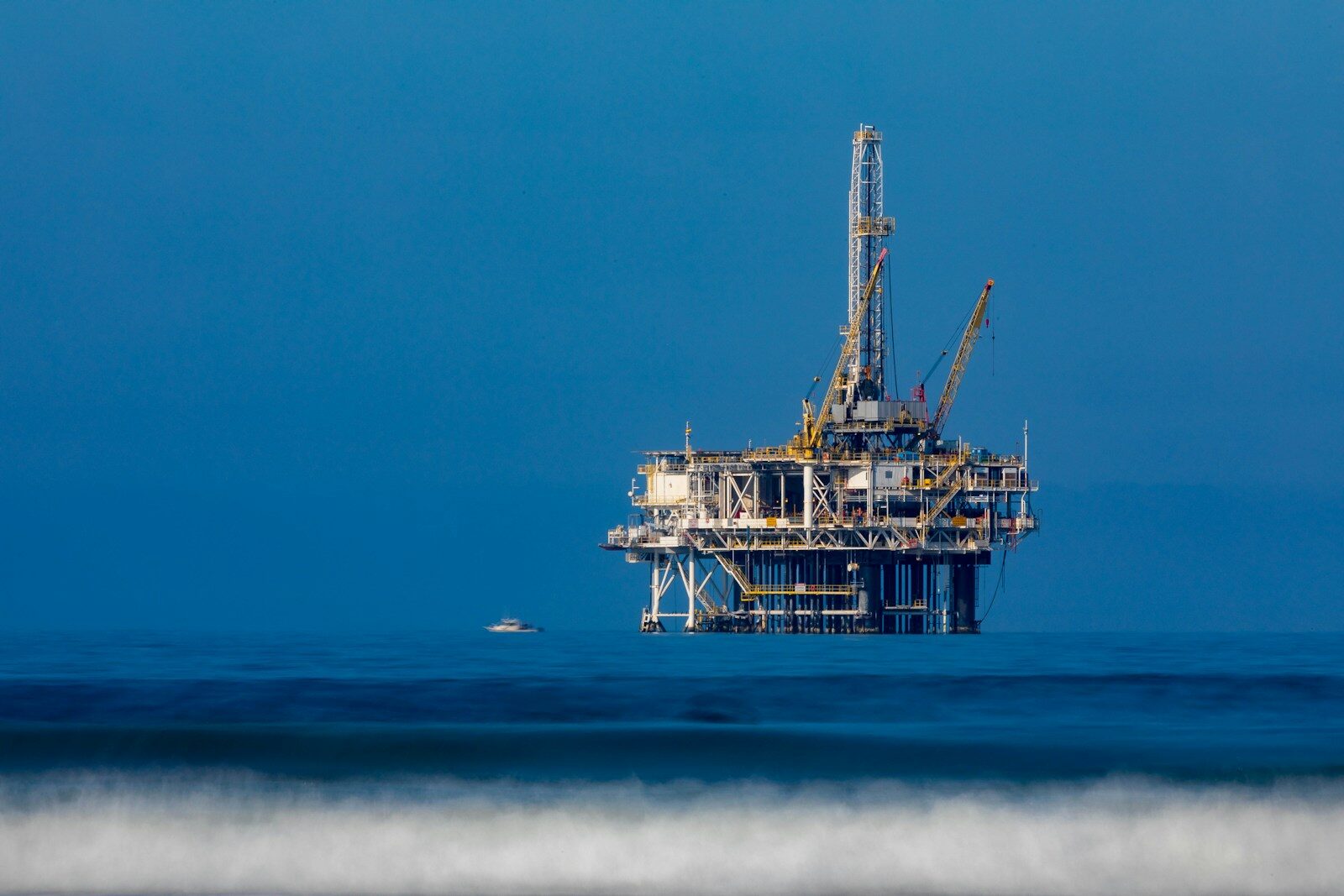
Oil is the lifeblood of the global economy. According to the Energy Information Administration, a total of over 4.3 billion gallons of oil – or about 103 million barrels – are consumed across the world every day. Despite oil’s ubiquity, however, its production is largely concentrated in just a small handful of countries.
As of 2023, only 10 countries accounted for nearly three-quarters of the global oil supply. These places – including Brazil, China, Russia, United Arab Emirates, and the United States – export tens of billions of dollars worth of oil every year to meet demand. The vast majority of these exports are delivered to foreign markets on tanker vessels, many of which pass through narrow shipping channels – the safe and reliable navigation of which is critical for the international energy trade. But as the ongoing war in Iran has demonstrated, the unanticipated closure of any one of these chokepoints can have devastating and far-reaching economic consequences.
Approximately 20% of the world’s oil supply passes through the Strait of Hormuz, which connects the Persian Gulf with the Arabian Sea. Since the war in Iran began in late February, the Strait has effectively been closed to commercial shipping traffic. The supply shock has sent oil prices soaring and threatens to reduce global GDP by as much as $2.2 trillion. Notably, the Strait of Hormuz is only one of several economically critical – and potentially vulnerable – shipping channels.
Using data from the EIA, Climate Crisis 247 identified the most important maritime oil shipment chokepoints. Routes are ranked on average daily oil shipments, based on reported figures from the first half of 2025. Route specific vulnerabilities and risks are as reported by Chatham House, a London-based think tank. All other supplemental data is from the EIA.
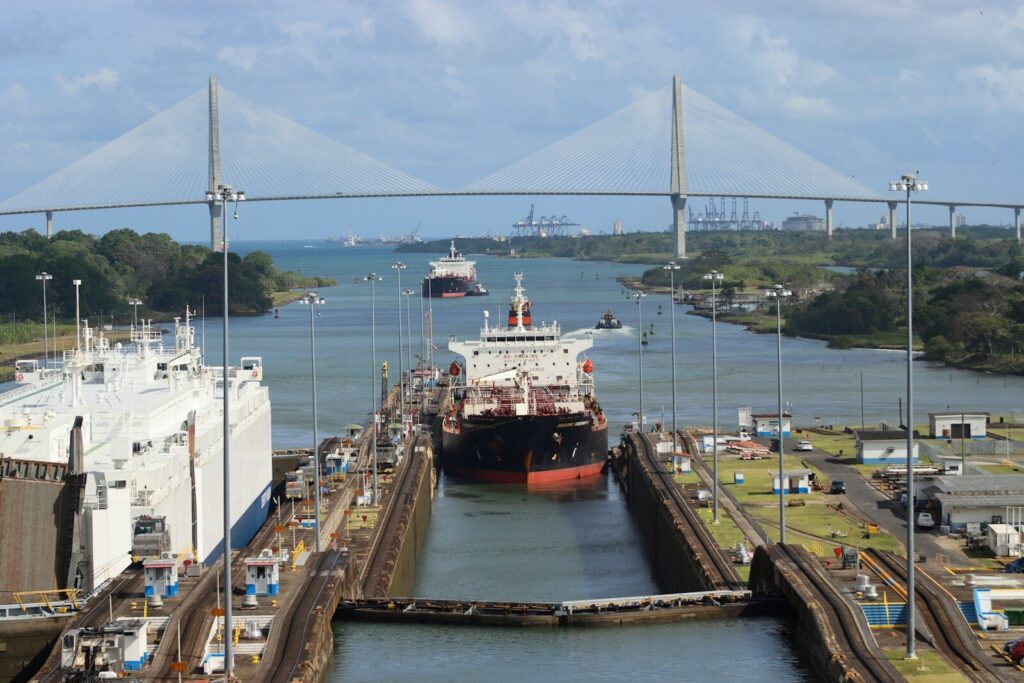
8. Panama Canal
- Maritime oil trade volume: 2.3 million barrels per day (2.2% of global oil supply)
- Top origin country of oil shipped through route: N/A
- Top destination country for oil shipped through route: N/A
- Route description: Connects the Pacific and Atlantic Oceans through Panama; 0.2 miles wide at narrowest point
- Local shipping risk factors include: Haze and fog, disrepair, flood and drought
7. Turkish Straits (Dardanelles)
- Maritime oil trade volume: 3.7 million barrels per day (3.5% of global oil supply)
- Top origin country of oil shipped through route: Kazakhstan; 1.5 million barrels per day (40.6% of route oil shipments)
- Top destination country for oil shipped through route: India; 0.5 million barrels per day (13.4% of route oil shipments)
- Route description: Connects the Black Sea with the Sea of Marmara and the Sea of Marmara with the Mediterranean; 0.6 miles wide at narrowest point
- Local shipping risk factors include: Haze and fog, conflict, storms
6. Strait of Bab el-Mandeb
- Maritime oil trade volume: 4.2 million barrels per day (4.0% of global oil supply)
- Top origin country of oil shipped through route: N/A
- Top destination country for oil shipped through route: N/A
- Route description: Connects the Red Sea with the Arabian Sea between Yemen, Djibouti, and Eritrea; 19.9 miles wide at narrowest point
- Local shipping risk factors include: Conflict, terrorism, piracy
5. Suez Canal and SUMED Pipeline
- Maritime oil trade volume: 4.9 million barrels per day (4.7% of global oil supply)
- Top origin country of oil shipped through route: Russia; 1.7 million barrels per day (35.0% of route oil shipments)
- Top destination country for oil shipped through route: India; 1.7 million barrels per day (33.8% of route oil shipments)
- Route description: Connects the Red Sea with the Mediterranean Sea through Egypt; 0.1 miles wide at narrowest point
- Local shipping risk factors include: Haze and fog, terrorism, storms
4. Danish Straits
- Maritime oil trade volume: 4.9 million barrels per day (4.7% of global oil supply)
- Top origin country of oil shipped through route: Russia; 1.4 million barrels per day (27.8% of route oil shipments)
- Top destination country for oil shipped through route: India; 1.1 million barrels per day (21.9% of route oil shipments)
- Route description: Series of channels connecting the Baltic and North Seas between Denmark, Sweden, and Germany
- Local shipping risk factors include: N/A
3. Cape of Good Hope
- Maritime oil trade volume: 9.1 million barrels per day (8.7% of global oil supply)
- Top origin country of oil shipped through route: United States; 1.4 million barrels per day (15.2% of route oil shipments)
- Top destination country for oil shipped through route: China; 2.5 million barrels per day (27.7% of route oil shipments)
- Route description: Trade route around the southern tip of Africa
- Local shipping risk factors include: N/A
2. Strait of Hormuz
- Maritime oil trade volume: 20.9 million barrels per day (20.0% of global oil supply)
- Top origin country of oil shipped through route: Saudi Arabia; 5.6 million barrels per day (26.6% of route oil shipments)
- Top destination country for oil shipped through route: China; 5.4 million barrels per day (25.8% of route oil shipments)
- Route description: Connects the Persian Gulf with the Arabian Sea between Iran, Oman, and the UAE; 29.8 miles wide at narrowest point
- Local shipping risk factors include: Conflict, piracy
1. Strait of Malacca
- Maritime oil trade volume: 23.2 million barrels per day (22.2% of global oil supply)
- Top origin country of oil shipped through route: Saudi Arabia; 4.2 million barrels per day (18.2% of route oil shipments)
- Top destination country for oil shipped through route: China; 7.9 million barrels per day (34.1% of route oil shipments)
- Route description: Connects the Indian and Pacific Oceans between Indonesia, Malaysia, and Singapore; 1.6 miles wide at narrowest point
- Local shipping risk factors include: Haze and fog, piracy
Sponsor
Find a Vetted Financial Advisor
- Finding a fiduciary financial advisor doesn't have to be hard. SmartAsset's free tool matches you with up to 3 financial advisors that serve your area in 5 minutes.
- Each advisor has been vetted by SmartAsset and is held to a fiduciary standard to act in your best interests. Get on the path toward achieving your financial goals!
More from ClimateCrisis 247
- Counties Where Deadly Tornados Are Becoming More Common
- 10 Nations That Are Global Leaders in Clean Energy
- the states with the best EV infrastructure
- Countries Leading the World in Nuclear Energy