Sea Levels are Rising & Residents In These 10 Cities are in Denial
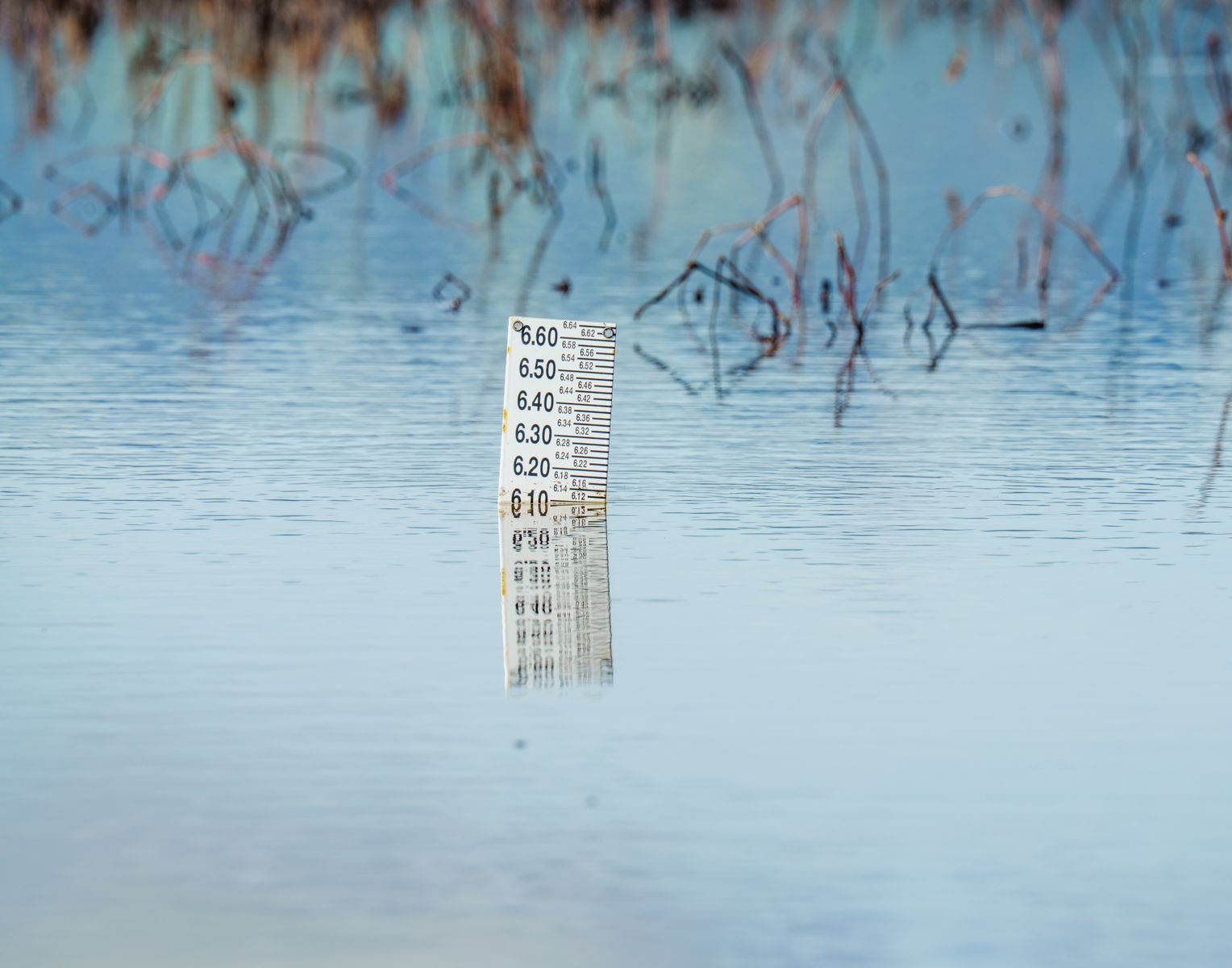
Global sea levels rose at an unprecedented rate during the 20th century. According to the National Oceanic and Atmospheric Administration, the world’s oceans are now between 8 and 9 inches higher, on average, than they were in 1880 – and within the last 25 years, sea level rise has accelerated to more than double the pace recorded in the previous century. This trend poses an existential threat to coastal communities in the U.S. and around the world, and the phenomenon is inextricably linked to human-caused climate change.
Each year, fossil fuel consumption generates billions of tons of greenhouse emissions, such as carbon dioxide and methane. Long term accumulation of these heat-trapping gases has sent temperatures soaring and upended climate norms around the world. According to researchers at NASA, global temperatures are now rising 10 times faster than they would have at similar points in previous climate cycles over the last 800,000 years. While the full extent of the impact global warming will have on civilization remains unknown, glacial melt and sea level rise is well established as one of the most direct, predictable, and potentially devastating consequences.
In the coming decades, some degree of sea level rise is already inevitable – but exactly how much the world’s oceans will rise remains largely within our control. Projections from the Intergovernmental Panel on Climate Change show that, relative to a scenario of unchecked pollution, immediate and sweeping cuts to global greenhouse gas emissions will reduce sea level rise by over a foot along much of the U.S. coastline by century’s end.
Still, despite broad consensus within the scientific community, millions of Americans believe that sea level rise is unrelated to higher temperatures. A recent study published by the Yale Program on Climate Change Communication found that about 27% of adults in the United States – or more than 70 million people – believe global warming is having little or no impact on rising sea levels. Notably, rejection of the link between global warming and sea level rise is even more common in many communities along the coast that will be at especially high risk in the coming decades.
Using survey data from the YPCCC, Climate Crisis 247 identified the coastal cities where most people deny the link between global warming and sea level rise. We ranked all U.S. metropolitan and micropolitan areas that border the coastline on the share of adults who believe global warming has little or no effect on rising sea levels. Supplemental data on projected sea level rise under different emissions scenarios are as reported by Climate Central’s Coastal Risk Finder tool. The YPCCC bears no responsibility for the analyses or interpretations of the data presented here.
10. Brunswick, Georgia
- Adults who believe global warming has little or no effect on rising sea levels: 34.6% (approx. 31,716 people)
- Projected local sea level rise with immediate, sweeping cuts to pollution: 1.0 feet by 2050, 1.8 feet by 2100
- Projected local sea level rise with current pollution reduction commitments: 1.0 feet by 2050, 2.4 feet by 2100
- Projected local sea level rise with unchecked pollution: 1.1 feet by 2050, 3.1 feet by 2100
9. Lafayette, Louisiana
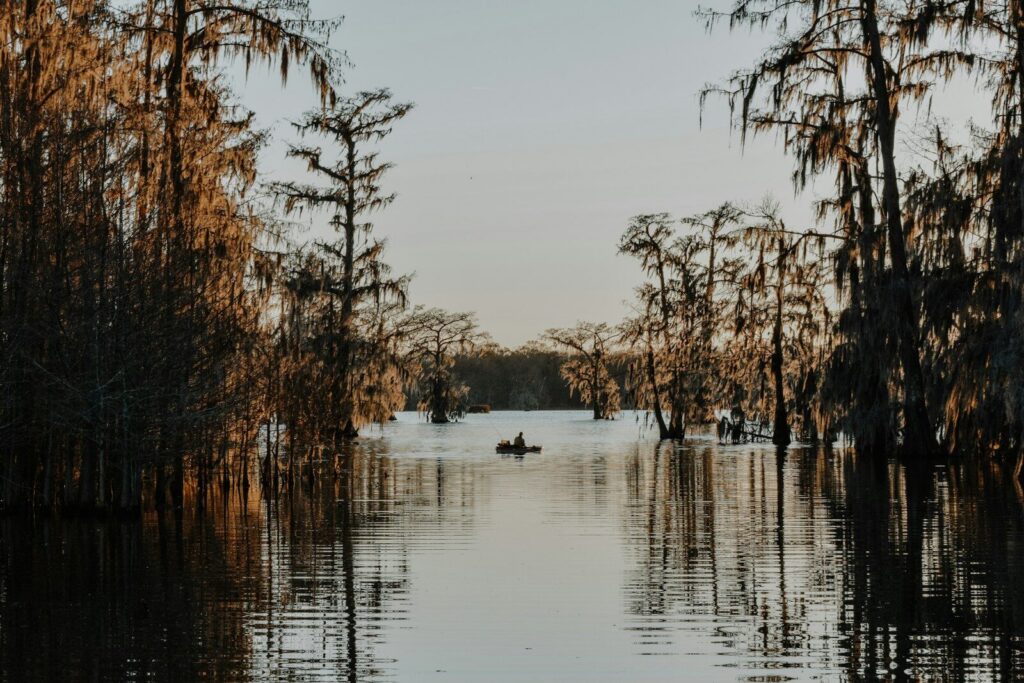
- Adults who believe global warming has little or no effect on rising sea levels: 34.7% (approx. 108,246 people)
- Projected local sea level rise with immediate, sweeping cuts to pollution: 1.6 feet by 2050, 3.3 feet by 2100
- Projected local sea level rise with current pollution reduction commitments: 1.7 feet by 2050, 3.8 feet by 2100
- Projected local sea level rise with unchecked pollution: 1.8 feet by 2050, 4.5 feet by 2100
8. Punta Gorda, Florida
- Adults who believe global warming has little or no effect on rising sea levels: 35.4% (approx. 62,805 people)
- Projected local sea level rise with immediate, sweeping cuts to pollution: 0.9 feet by 2050, 1.8 feet by 2100
- Projected local sea level rise with current pollution reduction commitments: 1.0 feet by 2050, 2.3 feet by 2100
- Projected local sea level rise with unchecked pollution: 1.1 feet by 2050, 3.0 feet by 2100
7. Jacksonville, North Carolina
- Adults who believe global warming has little or no effect on rising sea levels: 35.5% (approx. 55,534 people)
- Projected local sea level rise with immediate, sweeping cuts to pollution: 1.0 feet by 2050, 1.9 feet by 2100
- Projected local sea level rise with current pollution reduction commitments: 1.1 feet by 2050, 2.5 feet by 2100
- Projected local sea level rise with unchecked pollution: 1.2 feet by 2050, 3.1 feet by 2100
6. Crestview-Fort Walton Beach-Destin, Florida
- Adults who believe global warming has little or no effect on rising sea levels: 37.0% (approx. 86,380 people)
- Projected local sea level rise with immediate, sweeping cuts to pollution: 0.9 feet by 2050, 1.7 feet by 2100
- Projected local sea level rise with current pollution reduction commitments: 0.9 feet by 2050, 2.2 feet by 2100
- Projected local sea level rise with unchecked pollution: 1.0 feet by 2050, 2.8 feet by 2100
5. Lake Charles, Louisiana
- Adults who believe global warming has little or no effect on rising sea levels: 37.4% (approx. 68,411 people)
- Projected local sea level rise with immediate, sweeping cuts to pollution: 1.4 feet by 2050, 2.7 feet by 2100
- Projected local sea level rise with current pollution reduction commitments: 1.3 feet by 2050, 3.3 feet by 2100
- Projected local sea level rise with unchecked pollution: 1.5 feet by 2050, 4.0 feet by 2100
4. Morehead City, North Carolina
- Adults who believe global warming has little or no effect on rising sea levels: 38.0% (approx. 21,820 people)
- Projected local sea level rise with immediate, sweeping cuts to pollution: 1.1 feet by 2050, 2.0 feet by 2100
- Projected local sea level rise with current pollution reduction commitments: 1.1 feet by 2050, 2.6 feet by 2100
- Projected local sea level rise with unchecked pollution: 1.2 feet by 2050, 3.2 feet by 2100
3. Houma-Thibodaux, Louisiana
- Adults who believe global warming has little or no effect on rising sea levels: 38.3% (approx. 58,901 people)
- Projected local sea level rise with immediate, sweeping cuts to pollution: 1.8 feet by 2050, 3.7 feet by 2100
- Projected local sea level rise with current pollution reduction commitments: 1.9 feet by 2050, 4.3 feet by 2100
- Projected local sea level rise with unchecked pollution: 2.0 feet by 2050, 5.0 feet by 2100
2. Daphne-Fairhope-Foley, Alabama
- Adults who believe global warming has little or no effect on rising sea levels: 38.5% (approx. 75,037 people)
- Projected local sea level rise with immediate, sweeping cuts to pollution: 0.9 feet by 2050, 1.7 feet by 2100
- Projected local sea level rise with current pollution reduction commitments: 1.0 feet by 2050, 2.3 feet by 2100
- Projected local sea level rise with unchecked pollution: 1.0 feet by 2050, 2.9 feet by 2100
1. Panama City, Florida
- Adults who believe global warming has little or no effect on rising sea levels: 38.8% (approx. 64,964 people)
- Projected local sea level rise with immediate, sweeping cuts to pollution: 0.8 feet by 2050, 1.6 feet by 2100
- Projected local sea level rise with current pollution reduction commitments: 0.9 feet by 2050, 2.1 feet by 2100
- Projected local sea level rise with unchecked pollution: 1.0 feet by 2050, 2.8 feet by 2100
More from ClimateCrisis 247
- 54,000 Wildfires Have Burned 8.5 Million Acres
- Trump loves Data Centers, But These Are The Reasons Many Americans Object
- Oil Tops $100 Per Barrel; These 10 States Now Have the Highest Gas Prices
- 10 Nations Where Clean Energy Can Save Billions of Dollars