States The Have Lost The Most Forest
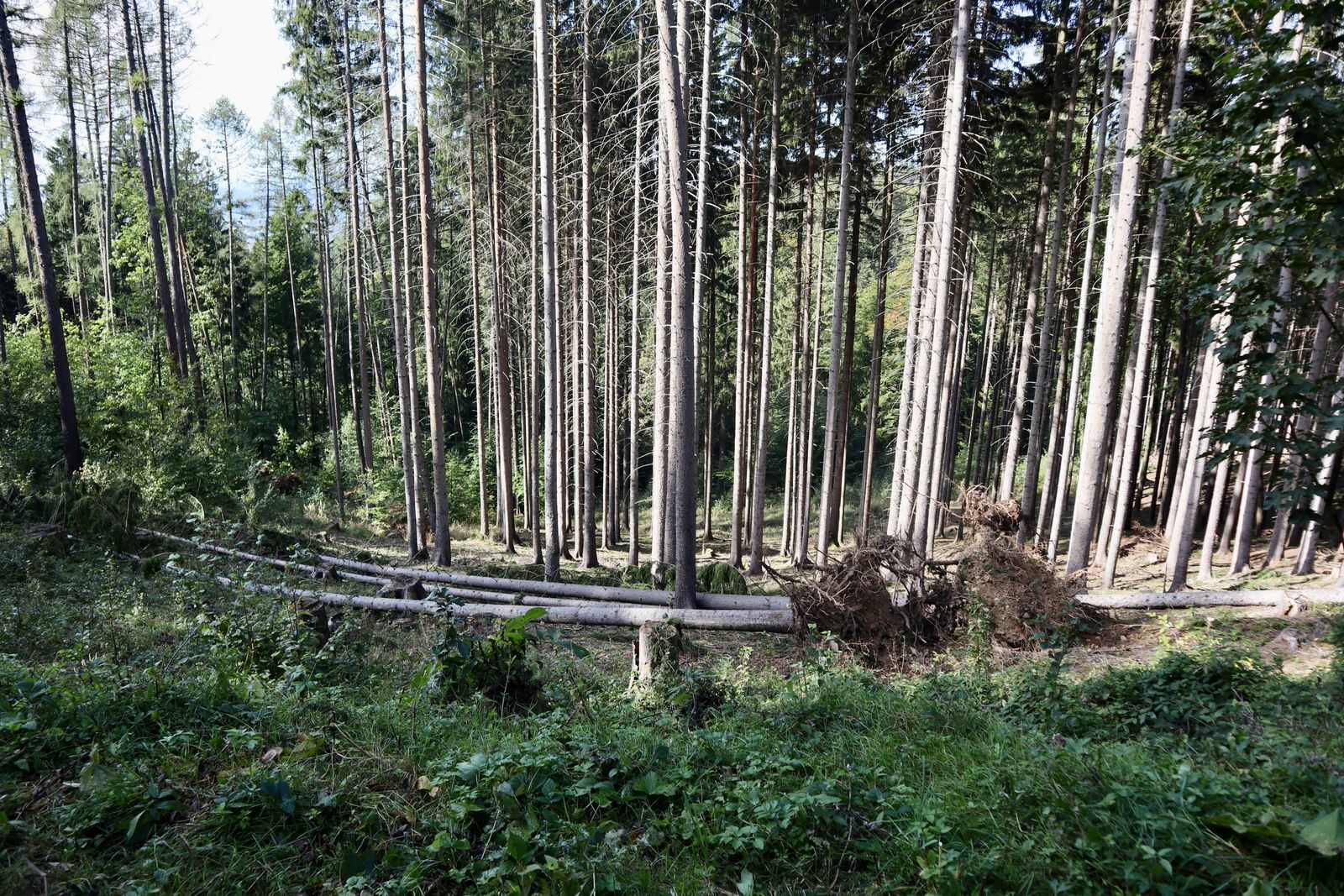
The U.S. Forest Monitor has just released an in-depth study of what happened to America’s forests between 1990 and 2017. Among its conclusions was the amount of forest lost permanently, which we have broken out by state. Hawaii and Alaska were not included. In describing their large database, the authors said “nearly 10 million acres had been lost.” Based on our calculation, the actual figure is 9.8 million.
We first looked at acres lost relative to each state’s total forest size. We then looked at acres “lost to development,” meaning man-made structures such as office centers, residential real estate, public centers, and suburbs. Most of the remaining loss went to cropland and farming.
Ten states “had the highest percentages of forest converted”: Georgia, North Carolina, Delaware, Florida, South Carolina, New Jersey, Texas, Massachusetts, Arkansas, and Virginia. The table below shows the top 15.
| Rank | State | % of 1990 forest lost | Acres lost | Share to development |
|---|---|---|---|---|
| 1 | Georgia | 4.4% | 1,182,000 | 47% |
| 2 | North Carolina | 3.8% | 800,000 | 47% |
| 3 | Delaware | 3.6% | 17,000 | 54% |
| 4 | Florida | 3.3% | 658,000 | 55% |
| 5 | South Carolina | 3.2% | 440,000 | 58% |
| 6 | New Jersey | 3.0% | 76,000 | 85% |
| 7 | Texas | 3.0% | 974,000 | 59% |
| 8 | Massachusetts | 2.9% | 99,000 | 86% |
| 9 | Arkansas | 2.8% | 577,000 | 28% |
| 10 | Virginia | 2.7% | 494,000 | 39% |
| 11 | Maryland | 2.5% | 80,000 | 74% |
| 12 | Rhode Island | 2.5% | 10,000 | 81% |
| 13 | Tennessee | 2.5% | 398,000 | 24% |
| 14 | Missouri | 2.4% | 454,000 | 17% |
| 15 | Alabama | 2.2% | 555,000 | 21% |
The study also forecast where the most forest could be lost in the future, which the authors called “hotspots,” and identified areas where loss is likely to be “development-driven.” The authors also noted the places in the U.S. where cropland had been the largest contributor to forest loss.
The economy affected the pace of forest destruction. According to the study, “Both cropland- and development-driven forest loss increased quickly from the 1990s. Cropland-driven loss continued to grow, while development-driven loss dropped sharply around 2008, coinciding with the Great Recession.”
The database we used is available to the public. It does not measure some losses to natural disasters, including wildfires. Our analysis uses data from the U.S. Forest Monitor, released in October 2026 by the Forest Carbon Data Partnership. The partnership is led by the Open Space Institute and includes The Nature Conservancy, Trust for Public Land, the Land Trust Alliance, and American Forests. Researchers at Clark University did the mapping.
More from ClimateCrisis 247
- LA Wildfires Exposed People To Dangerous Lead
- The Fish, Birds, and Mussels America Just Lost for Good
- The American Counties Missing the Most Rain This Year
- The U.S. States Where the Sea Is Rising Fastest