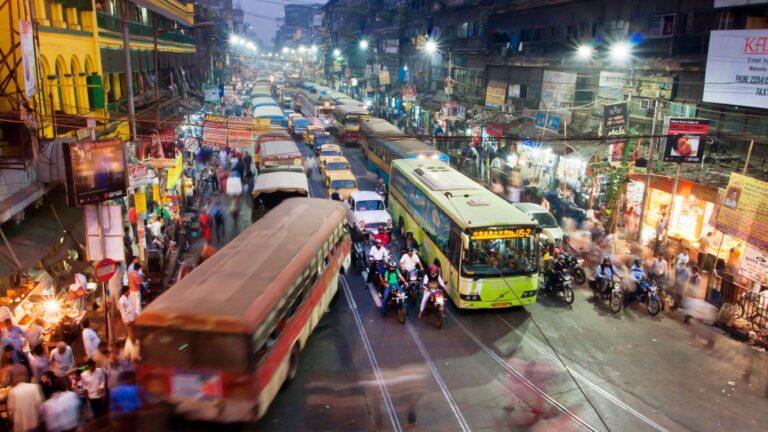
Less Than $1 per Gallon? The 10 Nations With The Lowest Gas Prices
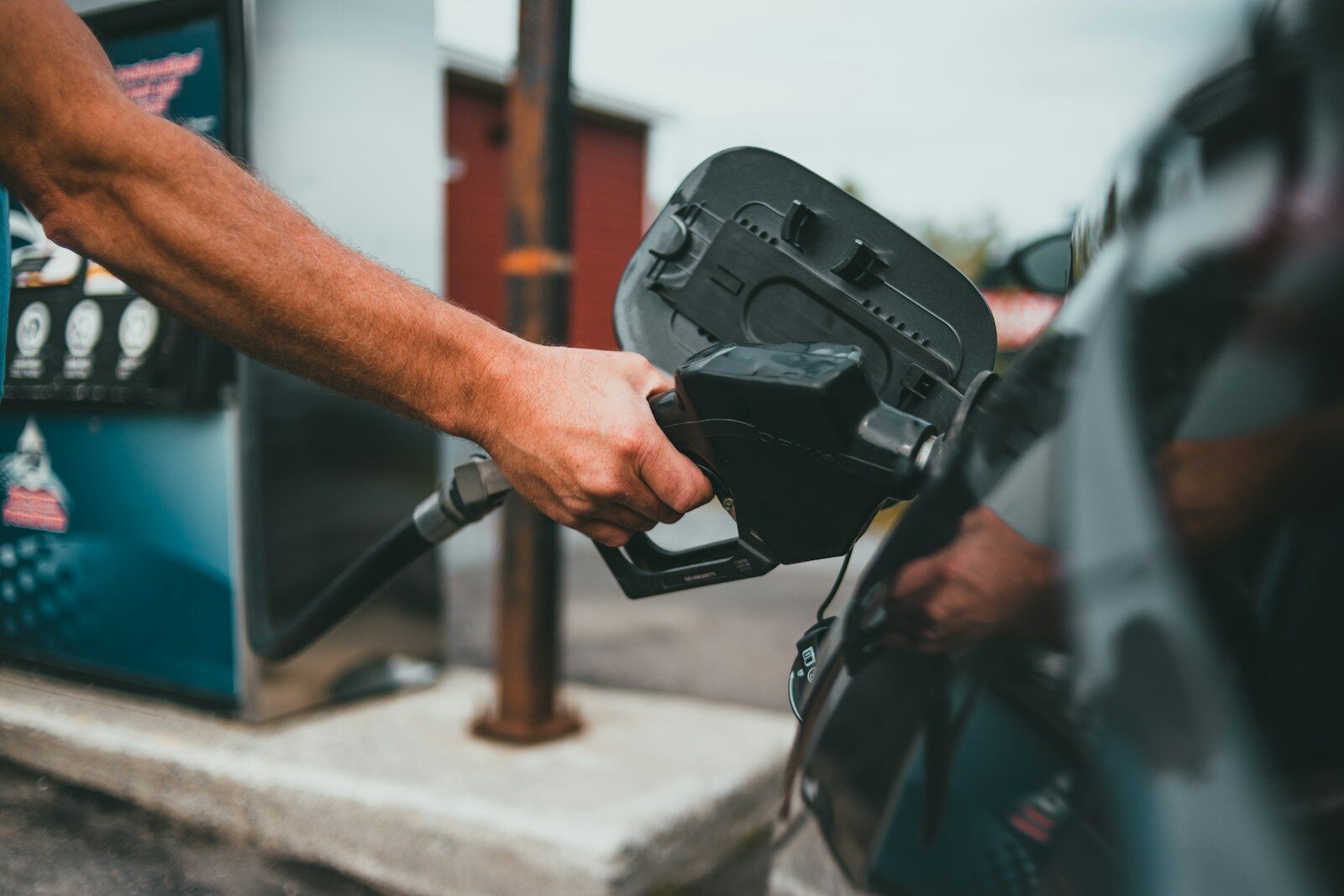
Three nations in the world sell gas for under $1 a gallon, and seven more sell it well below the US price. In every case, the country is a major oil and gas producer that uses its energy revenue to subsidize fuel costs. According to IR, Libya ranks first globally for the lowest fuel prices, highlighting the sharp gap in energy costs between oil-producing nations and high-cost markets. The same pattern holds in the wealthier Gulf states. The Times of Kuwait reports that analysts attribute the country’s low prices mainly to sustained government subsidies, which shield domestic consumers from swings in international crude prices.
These low prices may not last, however. The shutdown of tanker traffic through the Strait of Hormuz has cut into national oil income, threatening the subsidy model that keeps prices down.
Most of the developed world, by contrast, faces a serious fossil fuel shortage. That’s why gas prices are so high across much of Europe, Asia, and even the US — despite the US being the world’s largest oil producer and exporter. In Norway and Denmark, for example, gas costs more than $10 a gallon.
Even with its production capacity, the US has relatively high gas prices, currently just above $4 a gallon. At $4.15, prices are up 30% from a year ago, and the average price over Labor Day weekend set a record for the holiday. Diesel has climbed even further, reaching an all-time high of $5.90 a gallon — a 60% increase over the past year.
Rising prices hit car drivers and commercial truckers differently, but both effects damage the broader economy. As gas prices have climbed, the average household’s annual fuel bill has risen by nearly $1,000, a burden felt most by households that log more than 15,000 miles a year. According to the Census Bureau, median US household income in 2024 was $83,730 — closer to $60,000 after taxes, which must stretch to cover housing, food, fuel, clothing, and education. Higher gas prices don’t just fuel inflation and shrink discretionary income; they ripple through the entire economy, since consumer spending accounts for 68% of GDP, according to the Federal Reserve Bank of St. Louis.
The economic impact of diesel prices is even more concerning. Trucks carry 72% of US freight by weight — 11.27 billion tons in 2024 — which puts diesel costs at the front edge of a broader inflationary wave. Truckers and trucking companies pass along as much of the rising fuel cost as they can to businesses, and those businesses pass along as much as they can to consumers. Because the burden is spread this way, all three groups absorb some of the damage — but consumers ultimately bear part of the cost no matter how it’s distributed.
High gas prices may prove to be as significant a driver of inflation as any other factor in the second half of 2026.
Below are the 10 countries with the cheapest gas in the world, along with the main reason prices stay so low there.
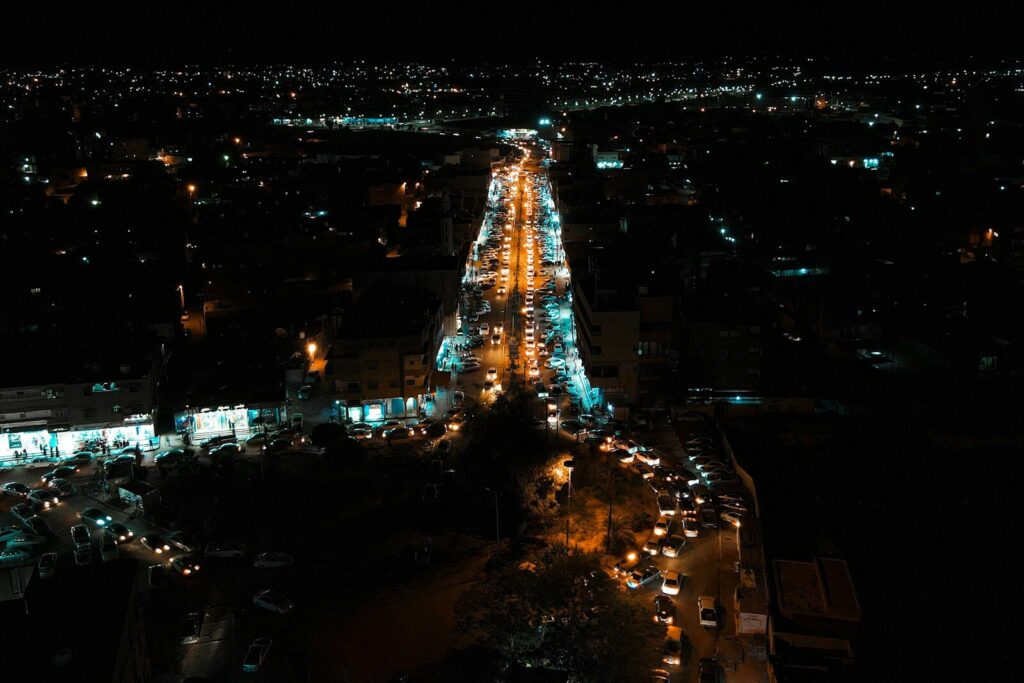
It’s also worth noting that these nations tend to fall into two very different economic categories, depending on how much of their oil wealth reaches ordinary businesses and residents. Kuwait and Qatar rank among the highest average incomes in the world — Qatar’s exceeds that of the Netherlands and Australia. Most of the other nations on this list, however, rank in the lower third globally by income.
| Rank | Country | Price/Gallon | Why It’s So Cheap |
|---|---|---|---|
| 1 | Libya | $0.09 | Home to Africa’s largest oil reserves, allowing the government to keep fuel prices low. |
| 2 | Iran | $0.11 | Heavily subsidized, in part to offset the impact of Western sanctions. |
| 3 | Venezuela | $0.13 | Holds the world’s largest proven oil reserves; the government has kept gas cheap, though growing US influence could change that. |
| 4 | Angola | $1.24 | Oil export revenue funds government subsidies that keep local prices low. |
| 5 | Kuwait | $1.30 | The Kuwait Investment Authority holds over $1 trillion in assets, and with only 5.1 million residents, that wealth goes a long way toward subsidizing fuel. |
| 6 | Algeria | $1.42 | An OPEC member that uses oil income to subsidize gas prices. |
| 7 | Turkmenistan | $1.62 | A fully state-controlled economy in which the government sets gas prices directly. |
| 8 | Egypt | $1.73 | The government directly controls and subsidizes fuel prices for the world’s 13th most populous nation. |
| 9 | Qatar | $1.97 | Extraordinary per-capita oil and gas wealth, spread across just 3.2 million residents, lets the government keep prices low without strain. |
| 10 | Saudi Arabia | $2.35 | The world’s second-largest oil producer keeps domestic gas prices low. |
Sources: Trading Economics, CEIC, IEA (International Energy Agency), World Bank, Numbeo, and GlobalPetrolPrices.com.
More from ClimateCrisis 247
- The Fish, Birds, and Mussels America Just Lost for Good
- Tornado Season Looks Different Now: Is Your State on the List?
- The Least Reliable Electric Vehicles, According to Consumer Reports
- At the Wall of Wind, engineers blow homes apart to learn how to save them