the Banks That Fund the World’s Largest Fossil Fuel Companies
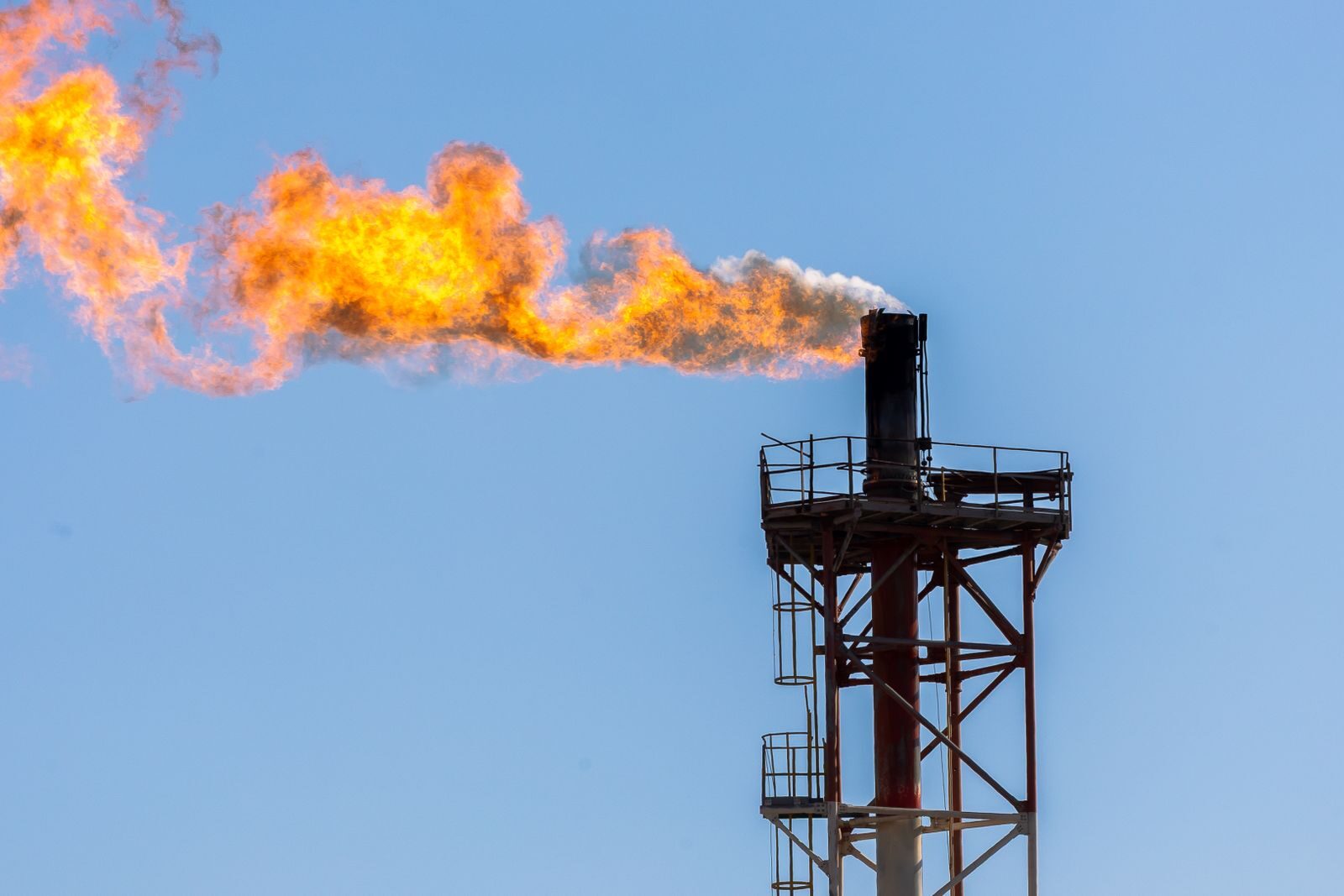
The exploration and production of fossil fuels is extraordinarily capital-intensive. ExxonMobil, for example, carries $33 billion in debt on its books. As with most large corporations, its primary sources of outside funding are the world’s largest banks and investment banks.
Environmentalists argue that banks should not lend money to energy companies whose products generate greenhouse gas emissions. Most banks, however, do not view this as an ethical issue. Oil, coal, and gas corporations operate legally and in good standing, within regulations that can vary significantly from country to country. If banks were to cut off lending to these energy companies, they would be walking away from hundreds of billions of dollars in business.
Some groups object nonetheless. Funding companies that emit greenhouse gases, they argue, makes banks active participants in environmental damage. And so the debate continues.
A group called Banking on Climate Chaos publishes a Fossil Fuel Finance Report each year. The 2026 edition is the 17th. The authors write that while 26 of the world’s top 65 banks reduced their fossil fuel financing in 2025, the world’s largest banks collectively committed $906 billion to companies with fossil fuel operations that year — up $64 billion, or nearly 8%, from 2024. The group also argues that this level of funding makes it increasingly difficult to meet the goals of the Paris Agreement.
The Paris Agreement was a legally binding international treaty adopted in 2015, built around keeping global temperature rise below 1.5 degrees Celsius compared to pre-industrial levels. To meet that target, greenhouse gas emissions needed to peak before 2025 and decline 43% by 2030. That has not happened — and several nations, including the United States, have abandoned the agreement’s goals.
The report identifies what it calls “The Dirty Dozen” — 12 banks that now account for more than a third of all global fossil fuel financing. That funding is also highly concentrated geographically: 87% comes from financial firms headquartered in the United States, Canada, Japan, China, the United Kingdom, and the European Union. The study draws on data from 2,000 banks.
Among the Dirty Dozen are most of America’s largest financial institutions, with JPMorgan Chase leading the list, followed by Bank of America, Citigroup, Wells Fargo, Morgan Stanley, and Goldman Sachs.
The cumulative figure is staggering. In the decade since the Paris Agreement took effect, the report finds, the world’s top banks have financed $8.7 trillion in oil, gas, and coal operations.
| Bank | 2021–2025 Financing (USD) | % of BOCC+ Total |
|---|---|---|
| JPMorgan Chase | $248.5B | 4.3% |
| Mitsubishi UFJ Financial | $211.3B | 3.7% |
| Citigroup | $206.9B | 3.6% |
| Bank of America | $205.3B | 3.6% |
| Mizuho Financial | $204.9B | 3.6% |
| Wells Fargo | $191.0B | 3.3% |
| Royal Bank of Canada | $173.4B | 3.0% |
| SMBC Group | $146.1B | 2.5% |
| Barclays | $138.3B | 2.4% |
| Scotiabank | $136.9B | 2.4% |
| Toronto-Dominion Bank | $127.4B | 2.2% |
| Goldman Sachs | $113.3B | 2.0% |
| TOTAL | $2.1T | 36.6% |
More from ClimateCrisis 247
- Ocean Temperatures Hit a Historic High in 2026
- Hottest Falls In US History
- The Fish, Birds, and Mussels America Just Lost for Good
- Tornado Season Looks Different Now: Is Your State on the List?