The Countries With The Least Air Conditioning
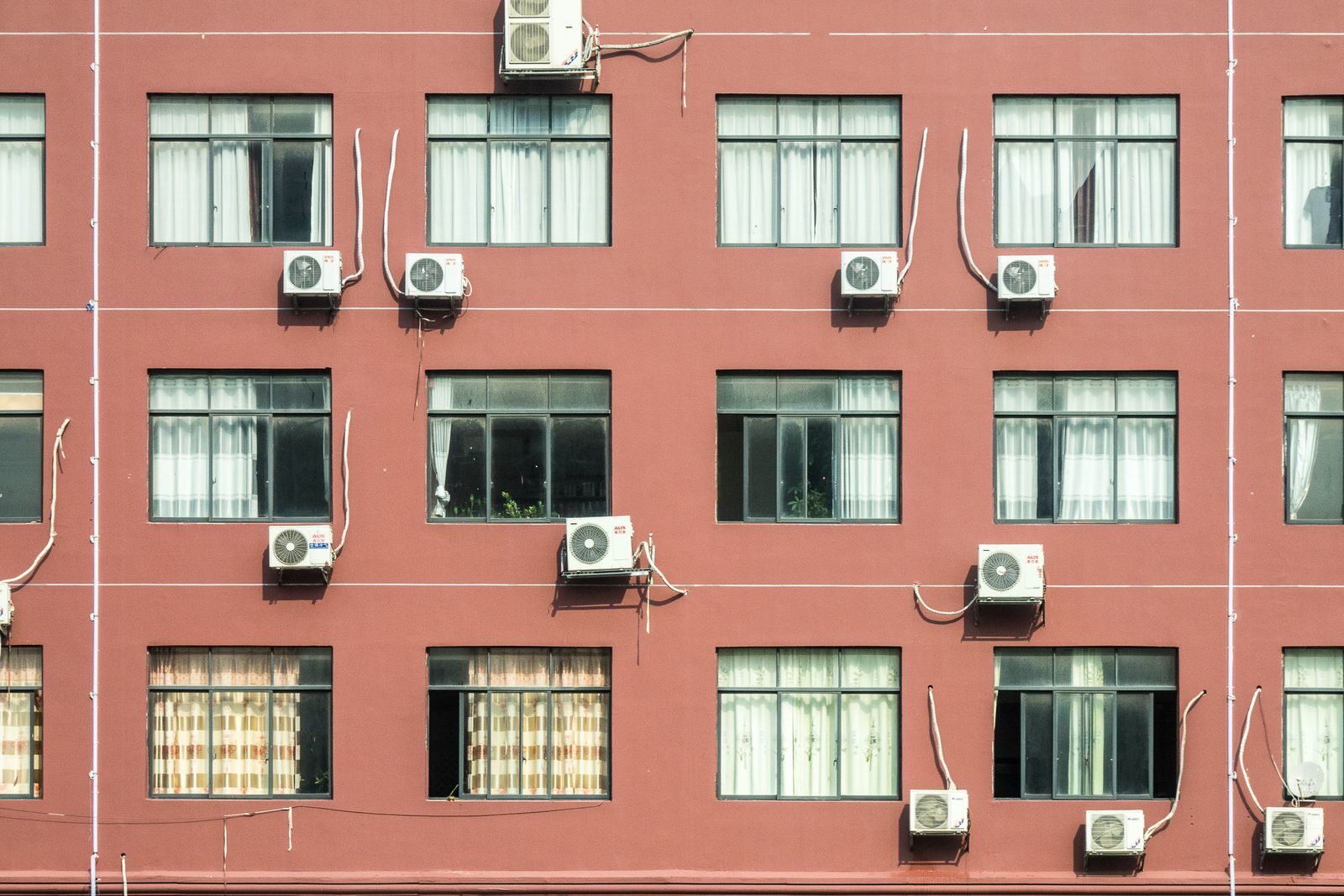
In the United States, there are about 374 million air conditioning units — meaning America has more air conditioning units than people. The only other large nations where this ratio holds are Japan and South Korea. All three have high median incomes compared to most other major countries.
Air conditioning is expensive, and so, in most countries, is the electricity that powers it. Many of the world’s hottest countries, however, have low-income populations and unreliable electricity at any price.
Climatecrisis247 examined the countries with the fewest air conditioning units per capita. Most are extremely poor, though the issue matters less in nations with temperate climates — nearly all the countries on the list have tropical or subtropical climates, and several have large areas where summer temperatures exceed 100°F, and in some cases 110°F.
Among the nations with the lowest air conditioning penetration are several with the lowest GDP per capita, according to the CIA World Factbook. Many are also among the world’s most populous, including Pakistan (242 million), Nigeria (223 million), Bangladesh (159 million), and Indonesia (288 million). Other nations aren’t at the very bottom of the GDP per capita rankings but remain largely poor — India, with a population of 1.3 billion, certainly qualifies. Together, these five nations have a combined population of 2.2 billion, according to World Bank data.
World Bank data, corroborated by reporting from The Guardian and other sources, shows that many of these nations have unstable or inadequate electricity grids. Among large nations, Nigeria and Pakistan have some of the least reliable grids, while South Africa and Egypt also experience frequent outages and supply shortages. In reporting on sub-Saharan Africa, the World Bank notes that more than a third of the global population without electricity lives in the region’s three most populous countries: Nigeria, the Democratic Republic of Congo, and Ethiopia.
The scope of the global air conditioning gap is stark: the people who need it most are often the ones least able to get it, whether because of cost or unreliable power. Unfortunately, there’s no easy fix for most of these nations. Incomes aren’t likely to rise meaningfully any time soon, and building or upgrading electrical grids could cost hundreds of billions of dollars — with the price climbing based on a country’s geographic size and the number of homes and businesses that need to be connected.
Europe is another region that will need to add air conditioning quickly. This summer, temperatures across much of Spain and France topped 100°F. But even these wealthier nations lack grids with unlimited electricity capacity, and older buildings in some areas make installation difficult. Still, much of Europe has the capital to gradually work through the problem.
In the US, by contrast, air conditioning is abundant. Some people below the poverty line can’t afford the units or the electricity to run them, but the bigger national issue is that residential electricity supply is increasingly being squeezed by AI data centers — and, ironically, by rising air conditioning demand driven by global warming itself.
| Rank | Country | % Households with AC | Notes |
|---|---|---|---|
| 1 | Nigeria | ~3% | Africa’s most populous nation, with 220 million people. Low income and high import costs make AC prohibitively expensive. |
| 2 | Bangladesh | <5% | Tropical, humid climate; frequent power outages from a weak grid make AC use intermittent. Extreme poverty. |
| 3 | Pakistan | ~8% | Regularly exceeds 110°F in Sindh and the southern regions; grid instability and extreme poverty. |
| 4 | Kenya | ~8% | Equatorial heat year-round; unreliable electricity supply. |
| 5 | India | ~12% | Temperatures exceed 110°F in some major cities; widespread poverty. |
| 6 | Indonesia | ~15% | Population of 270 million; high local electricity taxes compound poverty-related barriers. |
| 7 | Philippines | ~18% | Spread across 7,000+ islands; high import duties on electronics. |
| 8 | Morocco | ~20% | Interior regions like Marrakech exceed 110°F. |
| 9 | Egypt | ~25% | Upper Egypt often tops 110°F; frequent power cuts. |
| 10 | Vietnam | ~30% (urban) | Ho Chi Minh City regularly exceeds 100°F. |
| 11 | Brazil | ~16% | Wide income disparity and significant climate variation across its large land area. |
Methodology: Figures are compiled from national statistics agencies and IEA reports on cooling access, including the IEA’s “The Future of Cooling,” with some data also sourced from Our World In Data.
More from ClimateCrisis 247
- These Are The Places Where People Are Trapped By Climate Change
- These States are Turning Back to Coal Amid the Energy Squeeze
- 10 US Cities Where August Heat Smashed Historical Records
- Trump Doubles Down on Climate Denial With Plan to Repeal Power Plant Rules