World Regions That May Run Out of Water First
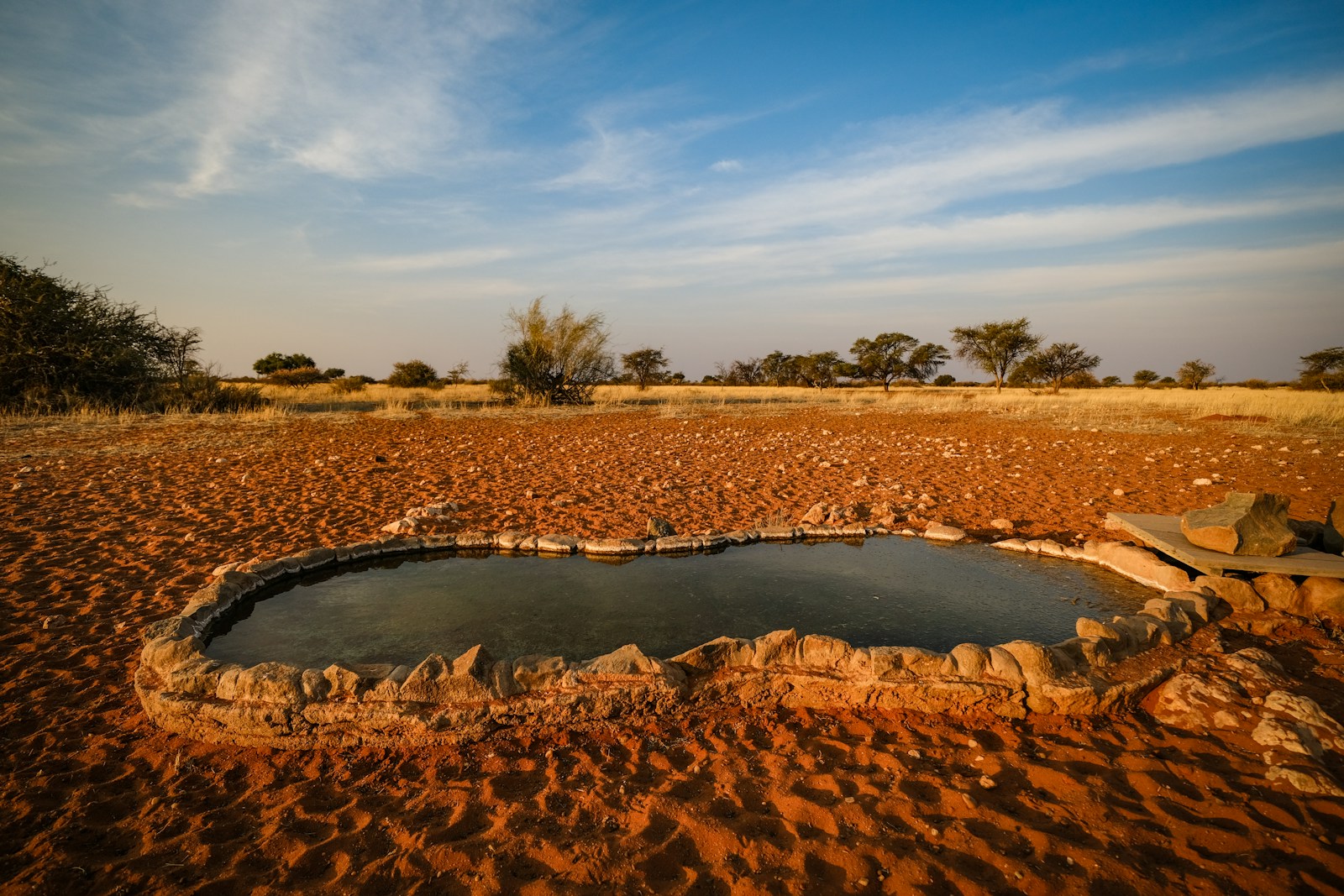
In 2018, Cape Town came within weeks of becoming the first major city on Earth to literally run out of water.. Had the crisis endured any longer, taps would be shut off, and millions of residents would be forced to line up at distribution points to receive water.
According to a new study published in Nature Communications, many world regions are on track to experience water crises like Cape Town in the coming decades. Day Zero Droughts – defined as multi-year periods when rainfall deficits, collapsing river flows, and surging water demand compound to drain reservoirs past critical thresholds, and empty municipal water supply – are projected to emerge across large parts of the world as early as the 2020s and 2030s. The research finds that climate change and rising water use are jointly pushing many regions toward unprecedented, Cape Town-style water scarcity, with hotspots spanning the Mediterranean, southern Africa, and parts of North America.
According to the study, 35% of all drought-prone regions on Earth will experience their first Day Zero event between 2020 and 2030. By 2100, 74% of global land areas assessed will experience their first Day Zero Drought. A closer look at the data reveals the world regions where Day Zero Drought is forecast to hit first.
To determine the regions where Day Zero Drought will hit first, Climate Crisis 247 reviewed data from “The first emergence of unprecedented global water scarcity in the Anthropocene,” published in Nature Communications in September 2025. World regions were ranked based on the forecast date of its first Day Zero Drought event. DZD is defined as a compound, multi-year water scarcity crisis that occurs when several extreme conditions – severe atmospheric drought, severely depleted river flow, and acute water scarcity where demand exceeds supply – co-occur for at least four years.
7. Australia (2020s-2030s)
Southern and eastern Australia emerge as early hotspots where multi-year rainfall deficits interact with intense evapotranspiration and growing water demand. The study notes that Australia shows long-duration Day Zero events with short recovery times, meaning the basin can remain water-stressed for years at a time. Hydrologically stressed regions can face drought durations exceeding 48 months – long enough to overrun reservoir capacity during persistent dry periods. Urban centers like Perth, Adelaide, and parts of New South Wales face heightened risk as population growth and heat intensify pressure on already strained water systems.
6. South America (2020s-2030s)
Parts of Chile, Peru, Bolivia, and northeastern Brazil are projected to cross into Day Zero conditions within the next decade. The combination of multi-year precipitation deficits, shrinking Andean snowpack, and river-flow depletion destabilizes major basins.
South America also sees heavy-tailed drought-duration distributions, with some Day Zero events lasting well beyond the 48-month benchmark for extreme hydrological drought. With many agricultural economies tied directly to river-fed irrigation, even a single long-duration event can trigger cascading food-security emergencies.
5. Western United States (2020s-2030s)
The western United States – particularly the Colorado River Basin, California, Arizona, and parts of the Pacific Northwest – is identified as a clear early-emergence DZD hotspot. The analysis shows intensifying 48-month drought conditions, declining river discharge, and growing municipal and agricultural demand.
The region’s reservoir-dependent water systems heighten vulnerability. With megacities like Los Angeles and Phoenix already operating near their allocation limits, even a moderate multi-year drought could push parts of the American West into their first Day Zero event this decade.
4. Northern China (2020s-2030s)
Northern China stands out as a region where water consumption drives early Day Zero emergence. This part of Asia sees some of the largest increases in irrigation and industrial water demand.
Despite some projected increases in precipitation in high-latitude East Asia later in the century, demand is forecast to outpace supply through the coming decade. The study identifies northern China as one of the regions where water scarcity emerges not only earliest, but with long-duration events that exceed reservoir recovery capacity.
3. India (2020s-2030s)
India’s Day Zero risk is driven by fast-rising water demand across agriculture, industry, and urban growth corridors. The analysis shows that in many Indian basins, demand alone is enough to trigger water scarcity, even in years without extreme meteorological drought.
When drought conditions do align, the combination produces acute, unprecedented scarcity. With hundreds of millions of rural residents reliant on surface water or rainfed agriculture, DZD in India could have world-consequential effects.
2. Southern Africa (2020s)
Southern Africa is one of the most intense DZD hotspots in the world. The region shows a strong anthropogenic signal in drought emergence, with compound events driven by declining rainfall, rising evapotranspiration, stressed river systems, and limited reservoir capacity.
Regions like South Africa, Namibia, Botswana, and Zimbabwe see both long-duration Day Zero events and exceptionally short waiting times between them, leaving almost no recovery period. Cape Town’s 2015–2018 crisis is cited as an example of the kind of multi-year compound drought expected to become more common.
1. Mediterranean Basin (2020s)
The Mediterranean — stretching from southern Europe across North Africa to Turkey and the Levant — is the region most likely to face a Day Zero Drought this decade. Here, long-term precipitation declines, shrinking river flows, elevated evaporation, and accelerating urban demand are all forecast to converge in the next few years, creating the ideal conditions for multi-year water scarcity. The study finds that droughts in the Mediterranean frequently persist beyond 48 months, often lasting longer than the waiting time before the next crisis. Reservoirs are drawn down so deeply that many basins spend more years in Day Zero conditions than in recovery.
More from ClimateCrisis 247
- Floods, Droughts and 24 Times More Heatwaves: The Climate Future Facing Today’s Kids
- These Nations Will Be Underwater, and 600,000 People Will Leave
- Cities That See 100 Degrees At Least One Day Every Year
- Can Studying Heat Waves in Real Time Save Lives?