From Deepwater Horizon to Donora: America’s Biggest Environmental Disasters
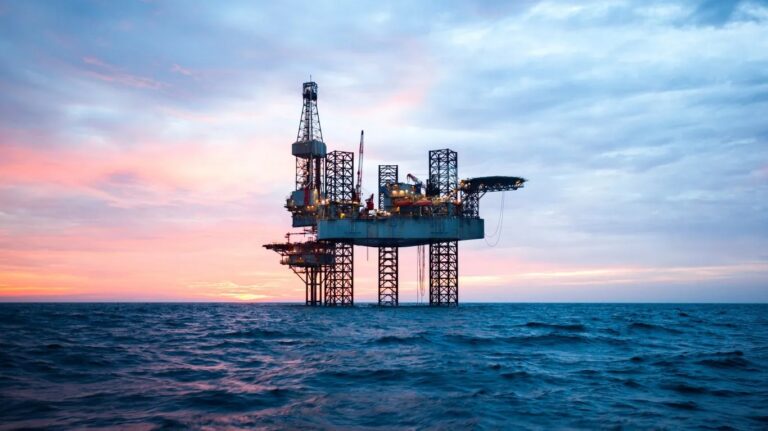
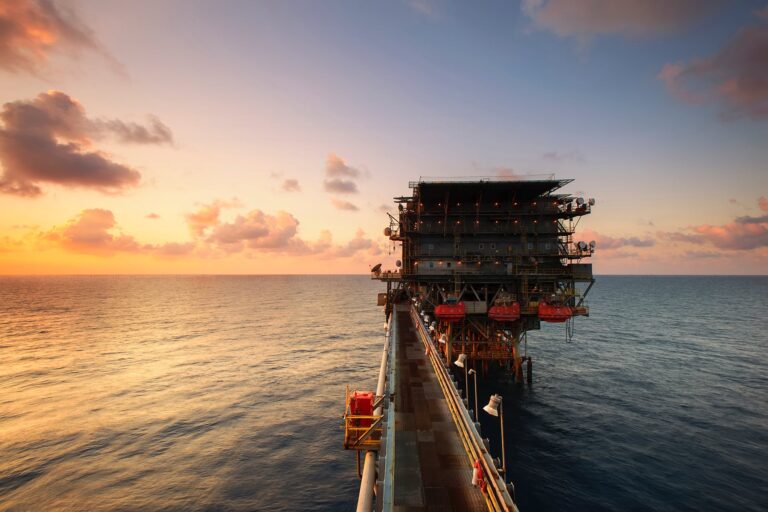
This correspondent remembers the Deepwater Horizon spill and covered the story for months. The leak, which many thought would be quickly contained, instead grew into a catastrophe. It spread along the coast of Louisiana, across the entire coastlines of Mississippi and Alabama, and eventually reached the Florida Panhandle. The disaster began on April 20, 2010, and continued for 87 days.
There was a brief panic that the spill could reach the East Coast after traveling south along Florida’s west coast and around the Keys. The Loop Current, which flows from the Gulf into the Caribbean and then toward the Atlantic, could have carried the spill hundreds of miles further; instead, it stalled roughly halfway along the Panhandle. According to Woods Hole Oceanographic Institution’s (WHOI) Global Expertise evaluation of the spill, “One of the concerns during the spring and summer of 2010 was that the Loop Current could potentially carry oil out of the Gulf, up the East Coast, and out into the Atlantic.”
The blowout and explosion on the Deepwater Horizon oil platform killed 11 workers and injured 17 others. The Center for Biological Diversity reported that “the spill likely harmed or killed about 82,000 birds of 102 species; about 6,165 sea turtles; as many as 25,900 marine mammals; and a vast (but unknown) number of fish — from the great bluefin tuna to our nation’s smallest seahorse — plus oysters, crabs, corals and other creatures.”
The accident, caused by defective cement work, was primarily blamed on BP, though Transocean, which operated the rig, and Halliburton, which serviced it, also bore responsibility. NOAA’s report “Deepwater Horizon Oil Spill Settlements: Where the Money Went” noted, “What resulted from this one incident was an economic, political, scientific and legal nightmare. It was largely settled when a Federal District judge approved the largest environmental damage settlement in United States history — $20.8 billion — on April 4, 2016.” At one point, there was even question of whether BP could remain in business.
Deepwater Horizon deserves extensive coverage because, among the worst environmental disasters in U.S. history, its scale dwarfs the others.
Exxon Valdez oil spill (March 24, 1989, Prince William Sound, Alaska)
This was another massive oil spill. The Exxon Valdez ran aground and leaked about 11 million gallons of crude oil, coating more than 1,300 miles of shoreline in a sensitive ecosystem. NOAA reports it killed an estimated 250,000 seabirds, 2,800 sea otters, and thousands of other birds and fish. “Exxon settled in 1991 with funds disbursed in three discrete parts: criminal plea agreement ($25 million), criminal restitution ($100 million), and civil settlement ($900 million).” The spill was also a major reason for the passage of the Oil Pollution Act of 1990, which in turn led to the creation of the Damage Assessment, Remediation, and Restoration Program (DARRP).
Kingston Fossil Plant spill (December 22, 2008, Tennessee)
This disaster was caused by the failure of a dike near the TVA Kingston Fossil Plant. It released more than 1.1 billion gallons of toxic coal ash slurry (a fluid mixture of water and coal ash) across 300 acres, including the Emory River and its Swan Pond Bay area. The cleanup lasted nearly eight years and cost $1 billion. Several employees who worked on the project were later sickened with cancer. Jacobs describes the magnitude of the incident: “The Tennessee Valley Authority (TVA) Kingston coal ash spill was one of the largest environmental disasters in United States history.” The Southern Environmental Law Center says the site’s effects remain a safety hazard today.
Santa Barbara oil spill (January 28, 1969, California)
Union Oil’s new drilling rig, Platform A, experienced a well blowout that released between 80,000 and 100,000 barrels of oil. The well was capped after 11 days. According to NPR, “The oil killed thousands of birds and an unknown number of sea mammals. Hundreds of oiled birds that were still alive were taken to the Santa Barbara Zoo, which is just a few steps from the beach.” The event became a catalyst for the modern U.S. environmental movement and for Earth Day, as well as for stronger offshore drilling regulations. Senator Gaylord Nelson of Wisconsin cited the incident as one of the reasons for creating Earth Day. It also helped trigger the creation of the Environmental Protection Agency (1970) and the passage of the Clean Water Act (1972), the Coastal Zone Management Act (1972), and the Endangered Species Act (1973).
Three Mile Island nuclear accident (March 28, 1979, Pennsylvania)
A partial core meltdown at the nuclear plant released radioactive gases and radioactive iodine into the environment. The World Nuclear Association attributed much of the disaster to a simple problem: “The operators believed the relief valve had shut because instruments showed them that a ‘close’ signal was sent to the valve. However, they did not have an instrument indicating the valve’s actual position.” The accident left many Americans deeply concerned about nuclear power and led to the creation of the Institute of Nuclear Power Operations (INPO) by the owners of all operating nuclear power plants in the U.S. According to the American Nuclear Society, INPO “sets standards for safe nuclear power operations and leads annual inspections of all plants.”
Donora smog (1948, Pennsylvania)
A toxic temperature inversion trapped industrial pollution from zinc and steel plants over the town for days. It killed at least 20 people and sickened thousands with severe respiratory illness, becoming a key early event that helped drive later air pollution controls.
Sacramento River pesticide spill / Cantara Loop derailment (1991, California)
A train derailment dumped roughly 19,000 gallons of the pesticide metam sodium into the Sacramento River, creating a toxic plume that killed virtually all aquatic life along a 40-mile stretch and caused lasting ecological damage to a sensitive river system.
Why These Events Stand Out
These disasters stand out for their combination of acute release, ecological harm, human health effects (where present), and lasting consequences. Deepwater Horizon and Exxon Valdez rank highest in overall environmental scale; Kingston ranks highest by sheer volume of toxic material; and Santa Barbara and Three Mile Island stand out for their policy and public impact.
Material for this article came from the EPA, NOAA, the Nuclear Regulatory Commission, the Smithsonian, and a number of local news reports.
More from ClimateCrisis 247
- New York City Gets Flooded Again
- These Nations Will Be Underwater, and 600,000 People Will Leave
- Mapping the US Counties Where Climate Doubt is Spreading
- America’s 10 Largest Reservoirs And How Much Water They Have Lost