Gas Prices Start to Slide Back Toward $3, Undermining Green Energy
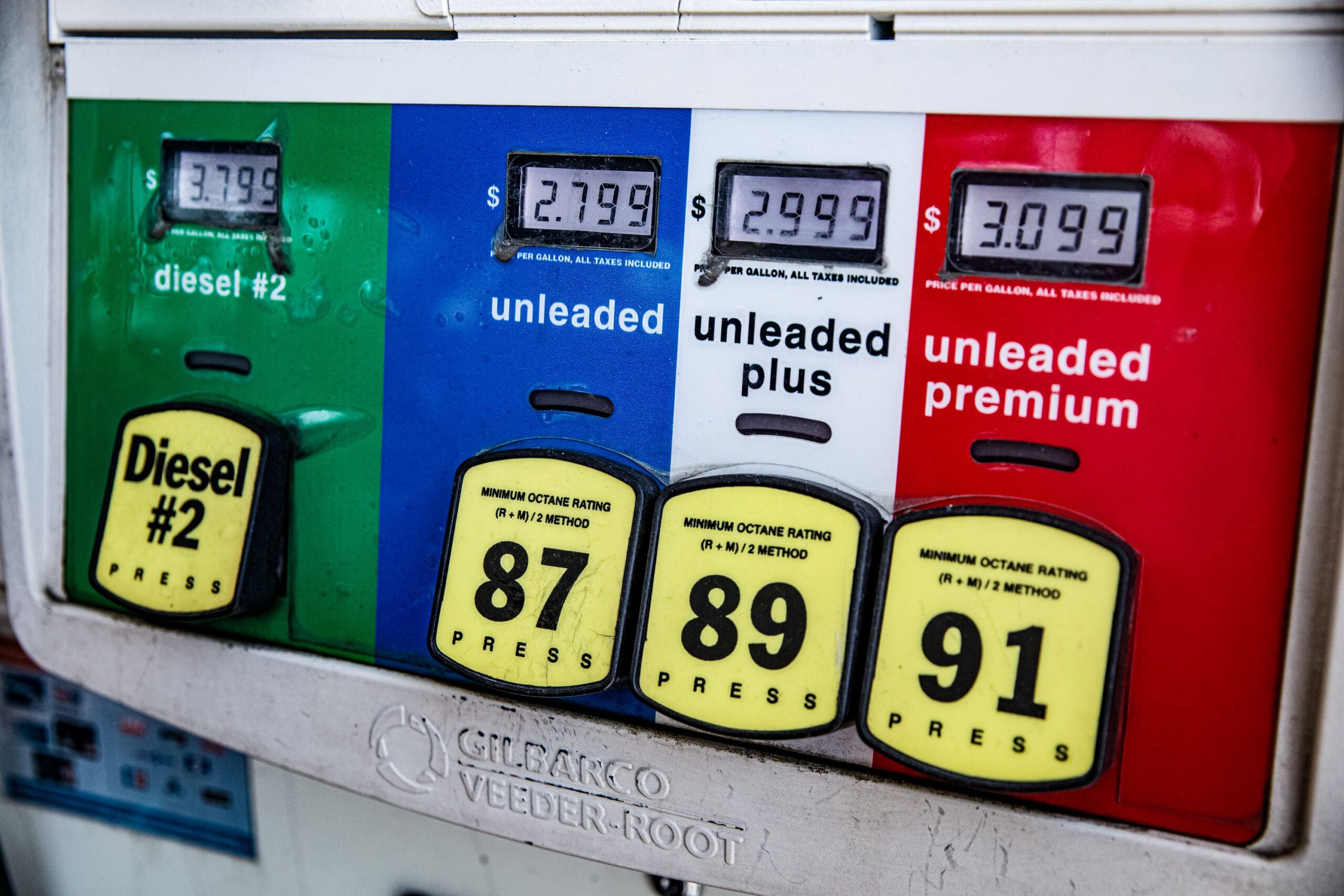
The drop in gas prices, which is accelerating, is bad for the environment.
There is a glut of oil. Tankers carrying crude have started to sail through the Strait of Hormuz, driving up supply. The US continues to pump crude at record rates. There was “too much” oil in the middle of last year. The price of oil was just above $66 then. The average price of a gallon of regular was exactly $3.17 a year ago.
According to MarketWatch, Crude Oil WTI is priced at $67 now.
This has happened before, recently. As the Russian invasion of Ukraine began, oil prices surged to $124. Within a year, it was $80 and continued to fall, according to Marketwatch.
To look at it another way, there is recent precedent for these swings.
Why won’t large oil companies cut back production? For one thing, it is much less expensive than exploration. Current oil fields, in the US and across OPEC nations, are adequate to “keep the world in.” The price at which US oil companies break even is around $60. Across much of the Middle East, it is slightly higher than that.
China has become a major factor in oil prices. It was broadly assumed that when the flow of oil was interrupted by Iran’s shutdown of the Strait of Hormuz, China would face an energy price shock. Its oil reserves were unexpectedly large. And, it has started to make an extremely large rotation into the solar and wind sectors. Ember recently reported, “Clean generation growth led by solar and wind met 84% of China’s electricity demand growth in 2024.
Cheap oil and gas often mean a slowdown in the attractiveness of green energy. A modest example of this is the lack of adoption of EVs in the US. The supposition is that this is entirely because of the expiration of the federal EV tax credit in September. However, gas prices were at a multiyear low. The use of fossil fuels by homeowners has also been extremely slow.
The lack of adoption has heightened worry that a buildout of more green energy, at least in the US, will not bring a good return on investment. SustainableViews reports that some of this is federal government policy, which has undermined a green energy buildout.
While not every one of these examples is directly part of the drop in gasoline prices, they show the wider effect of the drop in oil. Only 6% of the new cars sold in the first quarter of this year were EVs. There is not much hope among clear transportation advocates that this will change soon.
More from ClimateCrisis 247
- Where Did All Those US EVs Go?
- Your gas car works fine. Consider an EV anyway, scientists say
- States Where Electricity Prices Are Surging Most
- Places In The US Where People Don’t Have Electricity