Animal Species Are Dying Out In These US Counties Partly Due to Climate Change
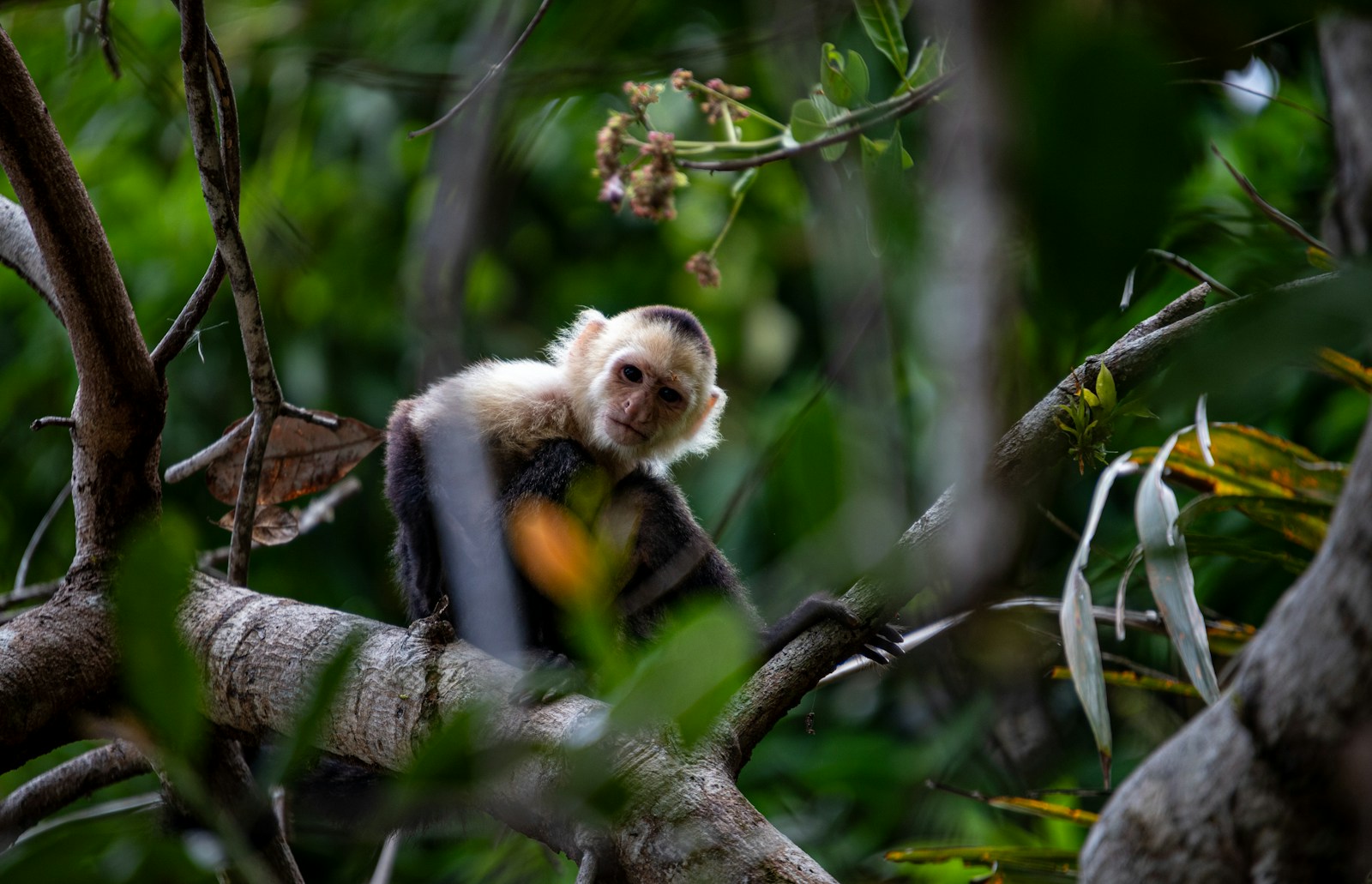
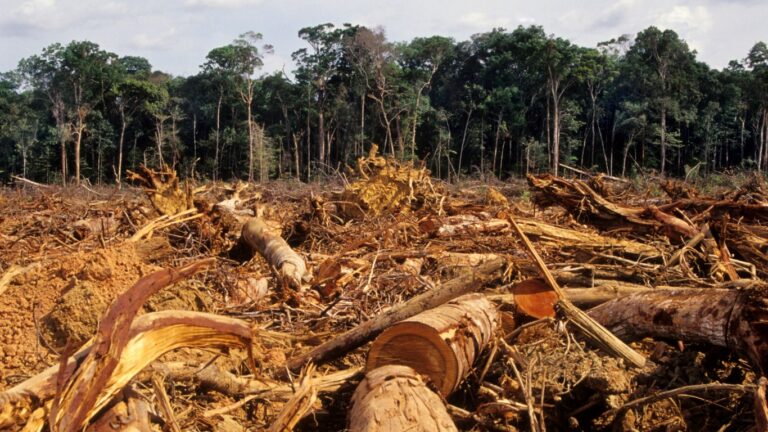
As temperatures rise, wild species are forced to migrate to cooler areas. Climate change is fragmenting habitats, causing drastic shifts in ecosystems throughout North America.
Increasing extreme weather events are contributing to widespread animal population loss, while phenological changes in migration and reproduction cycles are reducing replacement rates for a number of species. New data from the International Union for Conservation of Nature shows that climate change may be contributing to measurable biodiversity loss in several U.S. regions.
In the last several years, the number of observable animal species has fallen by more than 10 in over two dozen counties. A closer look at the data reveals counties throughout the West and South where biodiversity is rapidly declining.
To determine the counties with the most biodiversity loss, Climate Crisis 247 reviewed raster data on species richness from the International Union for Conservation of Nature. Counties were ranked based on the change from 2021 to 2024 in the number of species potentially occurring within its boundaries. Species counts include amphibians, birds, mammals, and reptiles, and exclude marine-only species. Only species tracked by the IUCN Red List were considered in the analysis. Data was aggregated from the grid cell level to the county level using boundary definitions from the U.S. Census Bureau.
10. McIntosh County, GA
McIntosh County is shaped by its tidal marshes, maritime forests, and sprawling estuarine habitat, supporting species like the West Indian manatee, bobcat, and American alligator. IUCN data shows that the number of potentially occurring species fell from 374 in 2021 to 359 in 2024. The decline highlights the mounting pressures of sea-level rise and intensified coastal storms in one of Georgia’s most biologically rich counties.
9. Santa Cruz County, CA
Nestled along California’s central coast, Santa Cruz County features redwood forests, coastal bluffs, and rich birdlife including the marbled murrelet, northern harrier, and California quail. Its estimated species count dropped from 371 in 2021 to 356 in 2024. The downward trend underscores how wildfire, drought, and shifting migration patterns are reshaping the county’s famed ecological diversity.
8. San Mateo County, CA
San Mateo County spans fog-shrouded coastal hills, wetlands, and oak woodlands that support species like the San Francisco garter snake, great blue heron, and Townsend’s big-eared bat. Modeled species richness fell from 371 in 2021 to 356 in 2024. Even with strong coastal protections, the combined impacts of development and climate-driven habitat loss are eroding one of the Bay Area’s most varied ecosystems.
7. Hidalgo County, NM
Hidalgo County’s desert grasslands and rugged sky islands host some of New Mexico’s signature wildlife, from pronghorn and mule deer to Mexican free-tailed bats. IUCN species estimates dropped from 398 in 2021 to 382 in 2024 – a loss of 16 species. The county’s remoteness has long protected its biodiversity, but intensifying drought is now accelerating declines across its mammal-rich landscape.
6. Alameda County, CA
Alameda County blends urban foothills, coastal wetlands, and protected open spaces that sustain bird species such as the snowy egret, red-tailed hawk, and western meadowlark. Its modeled species count fell from 320 in 2021 to 304 in 2024. The decline reflects the strain of rapid urbanization layered atop climate-driven changes to Bay Area ecosystems.
5. Solano County, CA
Solano County sits at the intersection of the Bay-Delta and California’s interior valleys, with habitats supporting sandhill cranes, burrowing owls, and tule elk. IUCN estimates show a drop from 368 species in 2021 to 351 in 2024 – a decline of 17. As wetlands shrink and grasslands dry, the county’s bird-rich landscape is becoming increasingly vulnerable.
4. Pima County, AZ
Pima County encompasses the Sonoran Desert, the Santa Rita Mountains, and riparian corridors that harbor species like the desert bighorn sheep, javelina, and lesser long-nosed bat. Its species richness fell from 403 in 2021 to 385 in 2024. Persistent megadrought and extreme heat are driving declines across one of the most biodiverse desert regions in North America.
3. Contra Costa County, CA
Contra Costa County features rolling oak woodlands, tidal marshes, and coastal hills that support varied birdlife including the loggerhead shrike, American kestrel, and great egret. The estimated species total dropped from 369 in 2021 to 350 in 2024. With rising wildfire risks and shrinking habitat corridors, its ecological fabric is becoming increasingly fragmented.
2. Cochise County, AZ
Cochise County spans desert basins and mountainous sky islands, creating habitat for species such as the ringtail, coati, and Mexican gray wolf. Its potential species count declined from 416 in 2021 to 396 in 2024 – a loss of 20 species. The region’s extraordinary mammal diversity faces mounting threats from drought, wildfire, and habitat encroachment.
1. Santa Clara County, CA
Santa Clara County’s mix of chaparral, oak savannas, and coastal foothills supports a broad range of bird species, including the acorn woodpecker, golden eagle, and California towhee. IUCN data shows a drop from 370 species in 2021 to 348 in 2024 – the largest loss of any county on the list. As development spreads and climate pressures intensify, the county’s remaining wildlands are under heightened strain.
More from ClimateCrisis 247
- The Fish, Birds, and Mussels America Just Lost for Good
- Tornado Season Looks Different Now: Is Your State on the List?
- The Least Reliable Electric Vehicles, According to Consumer Reports
- At the Wall of Wind, engineers blow homes apart to learn how to save them