Cities Where Winter Is Getting Shorter

Meteorological winter, as defined by weather organizations like NOAA, runs from December 1 through the last day of February. Astronomical winter, based on the solstice, runs from December 21 through March 20. The Mount Washington Observatory explains the difference: “The main reason we have seasons that start almost a month before astronomical seasons is because of temperature. Average temperatures are colder in December, January, and February rather than January, February, and March.”
Climate Central takes yet another approach. In its research paper “Shorter Winters in 195 U.S. Cities,” it defines winter as the coldest days of the year, comparing the periods 1970–1997 and 1998–2025 across 245 cities.
The study found that winters have grown shorter in 80% of these cities, with the annual period of historically winter-like temperatures shrinking by an average of nine days. In many cities, winter also arrived later and ended earlier in the more recent period.
Only a handful of cities bucked this trend, largely for one reason: “Some 37 (15%) of the cities analyzed saw winters lengthen — particularly in coastal California, where the ocean’s influence limits large seasonal temperature swings, and in the Ohio Valley.”
A shorter winter does not, however, mean a milder one. New York City recorded historic snowfall this year, with several days of wind chills well below zero and nighttime temperatures forecast to drop below 15°F. Mathew Barlow, professor of climate science at the University of Massachusetts Lowell, told The Guardian: “A shorter winter doesn’t mean no winter. Another important piece of [research] is that we expect greater precipitation intensity as the climate warms.”
Cities in the far north and deep south saw the largest changes. Climate Central ranked the cities where winter is shrinking fastest:
| City | Region | Change in Winter Length |
|---|---|---|
| Juneau, AK | Alaska | -62 days |
| Anchorage, AK | Alaska | -49 days |
| Miami, FL | Southeast | -38 days |
| West Palm Beach, FL | Southeast | -35 days |
| Tampa, FL | Southeast | -32 days |
| Honolulu, HI | Hawaii | -31 days |
| Albany, GA | Southeast | -26 days |
| Ft. Myers • Naples, FL | Southeast | -26 days |
| Sarasota, FL | Southeast | -25 days |
| Chico, CA | West | -23 days |
| Reno, NV | West | -23 days |
| Las Vegas, NV | West | -22 days |
| San Juan, PR | Puerto Rico | -22 days |
| Traverse City, MI | Upper Midwest | -21 days |
| New Orleans, LA | South | -20 days |
| Orlando, FL | Southeast | -19 days |
| Burlington, VT | Northeast | -17 days |
| El Paso, TX | South | -16 days |
| Erie, PA | Northeast | -16 days |
| Fairbanks, AK | Alaska | -16 days |
| Chattanooga, TN | Ohio Valley | -16 days |
| McAllen, TX | South | -15 days |
| Presque Isle, ME | Northeast | -15 days |
| Houston, TX | South | -14 days |
| Hattiesburg, MS | South | -14 days |
| Fresno, CA | West | -14 days |
| Tucson, AZ | Southwest | -13 days |
| Tallahassee, FL | Southeast | -13 days |
| Portland, ME | Northeast | -13 days |
| Pensacola, FL | Southeast | -13 days |
Average shortening across 195 cities: approximately 9 days.
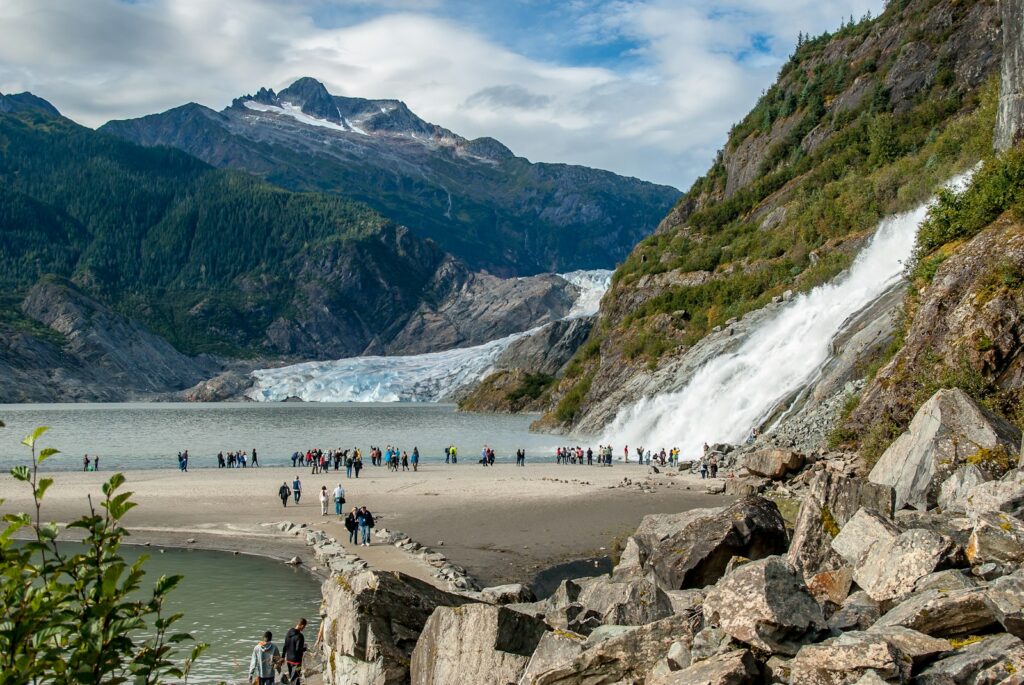
The shortening of winter, along with a rise in hotter days, carries significant environmental consequences — almost entirely negative. Alaska’s temperature is rising two to three times the global average rate, according to the USDA, and the state’s glaciers are melting at an accelerating pace, contributing to rising sea levels and increased flooding risk worldwide. The National Park Service’s Fifth National Climate Assessment: Alaska Chapter notes that “the growing season is longer, and fish, mammals, birds, and insects have increased in numbers in some areas and dropped sharply in others.”
The Climate Central analysis drew on data from NOAA’s Regional Climate Centers Applied Climate Information System. Climate Central is an independent organization of scientists.
Sponsor
Find a Vetted Financial Advisor
- Finding a fiduciary financial advisor doesn't have to be hard. SmartAsset's free tool matches you with up to 3 financial advisors that serve your area in 5 minutes.
- Each advisor has been vetted by SmartAsset and is held to a fiduciary standard to act in your best interests. Get on the path toward achieving your financial goals!