The Cities Damaged Most by Climate Change; 3 are in The U.S.
Most literature about climate change damage to cities relies on forecasts using measurements like FEMA flood maps. For example, areas in the Queens borough of New York City are expected to experience significant flooding within the next 20 years. Climate Central, whose data covers 247 American cities, offers similar projections for rising temperatures. Looking out to 2100, they note that “summers will only become hotter as heat-trapping pollution continues — meaning that future summers in Minneapolis could feel more like current summers in Tulsa.” Many of the cities examined could see temperatures 7°F higher than today by the end of the century.
Less often discussed are the cities that have already suffered the most damage. In the US, the metro area hardest hit by climate change is New Orleans. The city’s largest disaster was Hurricane Katrina, which struck on August 28, 2005, making landfall along the Louisiana coast as a Category 3 storm after reaching Category 5 strength over the Gulf of Mexico. The National Weather Service reports that the hurricane was responsible for 1,833 fatalities and approximately $108 billion in damage (unadjusted 2005 dollars). The effects linger two decades later: according to the New Orleans Business Journal, the city’s population has fallen from roughly 460,000 before Katrina to about 380,000 today as it continues to rebuild.
Several of the world’s largest cities have been severely and, in some cases, irreparably damaged by climate change. The contributing factors include intensified flooding, extreme heat, rising sea levels, land subsidence, powerful storms, and prolonged droughts.
To identify the cities most damaged worldwide, we drew on sources including Citymonitor, Plantizen, Policygenius, Climate.mit, TheWeek, and several peer-reviewed research papers. We focused on cities that appeared across multiple sources and where the evidence of damage was indisputable, with particular attention to formal “vulnerability” assessments.
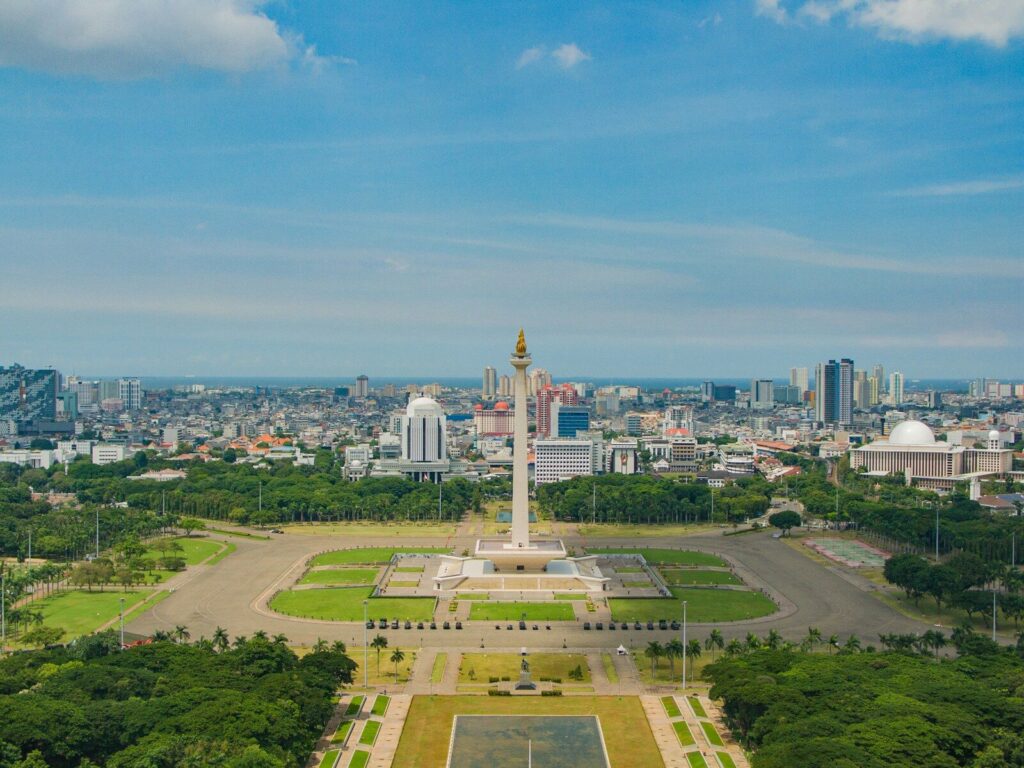
Jakarta, Indonesia
The city is sinking at a rate of up to 10 inches per year, largely due to excessive groundwater extraction. Roughly 40% of Jakarta is already below sea level, making it highly vulnerable to flooding that regularly causes deaths, displacement, and billions of dollars in damage. Climate change compounds the problem by intensifying tidal flooding and extreme rainfall events. Indonesia has begun relocating its capital partly in response to these challenges.
Delhi, India
Home to 36 million residents, Delhi endures extreme heat waves during which temperatures can approach 120°F. The city also suffers from severe air pollution, worsened by the widespread burning of wood and coal.
Lagos, Nigeria
With 17 million residents and a population growing as much as 6% per year, Lagos is simultaneously expanding and flooding. As CNN recently reported, “Africa’s most populous city is battling floods and rising seas. It may soon be unlivable, experts warn.”
Miami, Florida
Rising sea levels driven by polar ice melt, increasingly powerful hurricanes, and projections that up to 50% of the city could be underwater by 2060 make Miami one of the most climate-exposed cities in the United States. Flood damage and insurance costs have already risen sharply, and low-lying neighborhoods experience regular inundation every year.
New Orleans, Louisiana
Hurricane Katrina exposed the city’s deep vulnerabilities in 2005, when multiple levee failures dramatically worsened the flooding. Ongoing coastal erosion, rising sea levels, and frequent storm surges continue to threaten a city situated in one of the most hurricane-prone regions of the Gulf Coast.
Houston, Texas
With a downtown elevation of just 50 feet above sea level, an aging drainage system, and infrastructure that has not kept pace with rapid population growth, Houston is highly exposed to storm-driven flooding. Located only 350 miles from New Orleans in a region frequently struck by major hurricanes, the city suffered $125 billion in damage from Hurricane Harvey in 2017 and was struck again by Hurricane Beryl in 2024.
More from ClimateCrisis 247
- Sea Level Rise Will Cost These U.S. Cities Billions by 2040
- Water Bills Surged More Than Other Costs in US Homes Over 10 Years, a ‘Striking’ New Report Shows
- The World’s Oceans Have ‘Dead Zones’ Now; these are the Largest
- These are the 10 Largest Wildfires in 2026 So far