Want To Lower Your Carbon Footprint? Eat These 15 Foods
While the climate conversation tends to focus on large emitters like planes, ships, and factories, our food system accounts for more than a quarter of global greenhouse gas emissions. As the environmental crisis intensifies, experts suggest that consumers can reduce emissions by shifting their diets from carbon intensive foods to more climate-friendly options.
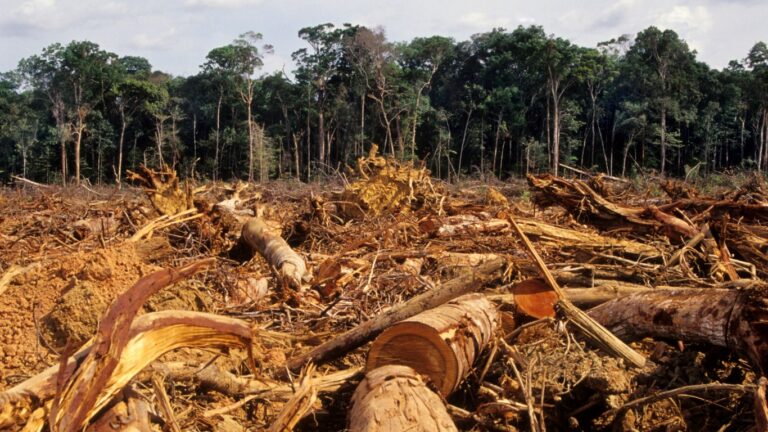
Red meat has the largest carbon footprint, requiring more feed per edible kilogram of meat and producing far more methane than poultry or plant-based options. Cheese ranks near the top, requiring milk from ruminant animals and energy-intensive refrigeration. Chocolate, tied to deforestation and long global supply chains, also ranks highly.
Meanwhile, plant-based staples like lentils, peas, and potatoes require minimal land, water, and fertilizer, and generate little to no methane. They also tend to produce far fewer emissions during processing and transport. A closer look at the data reveals the foods with the smallest carbon footprints.
To identify the foods with the smallest climate impacts, Climate Crisis 247 reviewed data compiled from peer-reviewed studies, including Poore & Nemecek (2018) and Clark et al. (2022), as aggregated by Our World in Data. Food products were ranked based on greenhouse gas emissions per kilogram. Emissions are based on farm-stage inputs such as fertilizer, land and water use, energy, animal feed, and agrochemicals. All greenhouse gases – including carbon dioxide, methane, and nitrous oxide – were standardized into carbon dioxide equivalents for comparison.
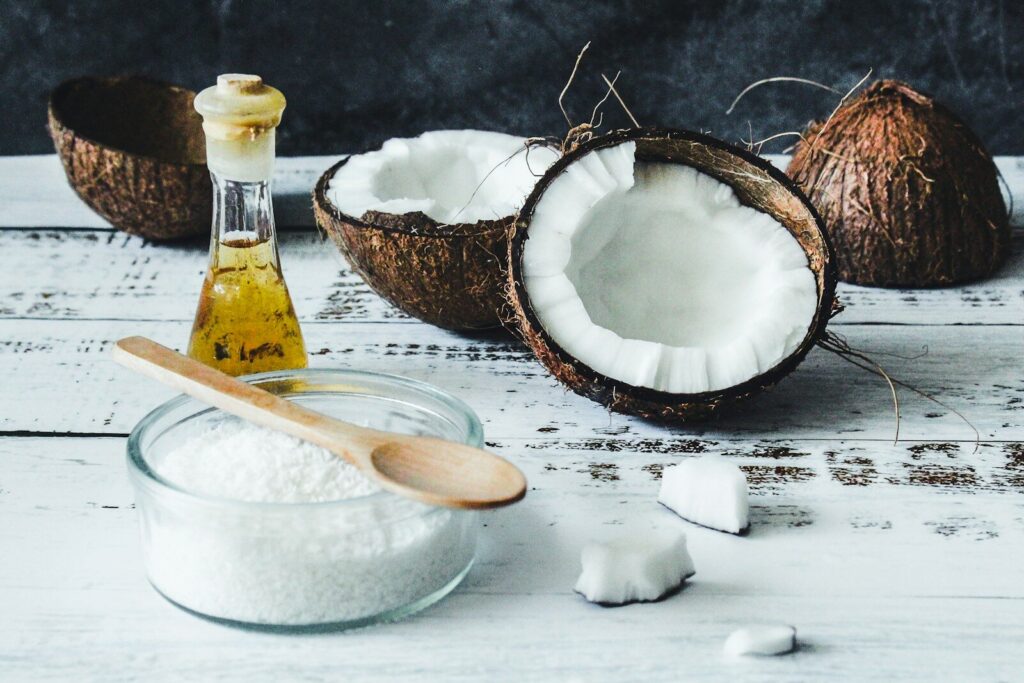
15. Coconut oil
- Carbon footprint: 0.5 kg of CO2 equivalent per kg of edible food product
14. Frozen jacket potatoes
- Carbon footprint: 0.5 kg of CO2 equivalent per kg of edible food product
13. Apples
- Carbon footprint: 0.5 kg of CO2 equivalent per kg of edible food product
12. Soy yogurt
- Carbon footprint: 0.5 kg of CO2 equivalent per kg of edible food product
11. Orange juice
- Carbon footprint: 0.5 kg of CO2 equivalent per kg of edible food product
10. Ale
- Carbon footprint: 0.5 kg of CO2 equivalent per kg of edible food product
9. Lemons
- Carbon footprint: 0.5 kg of CO2 equivalent per kg of edible food product
8. Oranges
- Carbon footprint: 0.5 kg of CO2 equivalent per kg of edible food product
7. Limes
- Carbon footprint: 0.5 kg of CO2 equivalent per kg of edible food product
6. Apple juice
- Carbon footprint: 0.5 kg of CO2 equivalent per kg of edible food product
5. Oat milk
- Carbon footprint: 0.5 kg of CO2 equivalent per kg of edible food product
4. Frozen sweet potato fries
- Carbon footprint: 0.4 kg of CO2 equivalent per kg of edible food product
3. Almond butter
- Carbon footprint: 0.4 kg of CO2 equivalent per kg of edible food product
2. Onions
- Carbon footprint: 0.4 kg of CO2 equivalent per kg of edible food product
1. Potatoes
- Carbon footprint: 0.2 kg of CO2 equivalent per kg of edible food product
More from ClimateCrisis 247
- Worst Polluting Nations in the World Compared to Shipping & Aviation Industries
- Nations with the Most EV Sales Per Hour, Adjusted for Population
- The States Where People Have Already Left Because Of Climate Change
- Worst Fall Snowstorms to Hit America’s Largest Cities