Drought And Flood Cycle Gets Dangerous
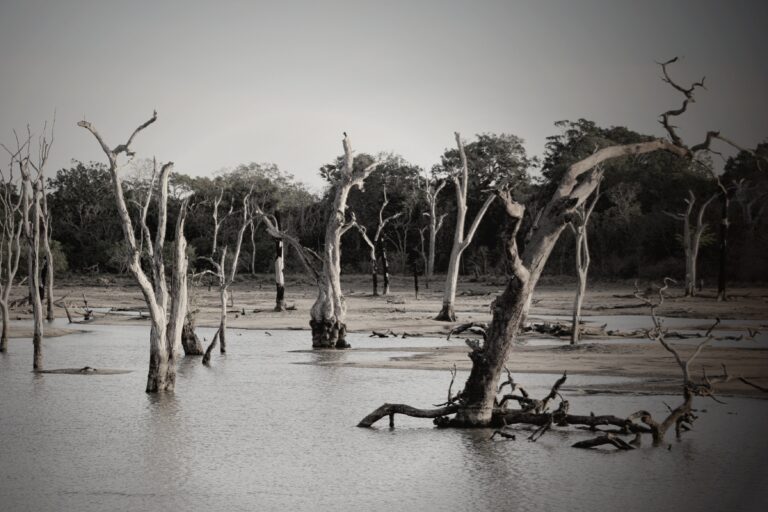
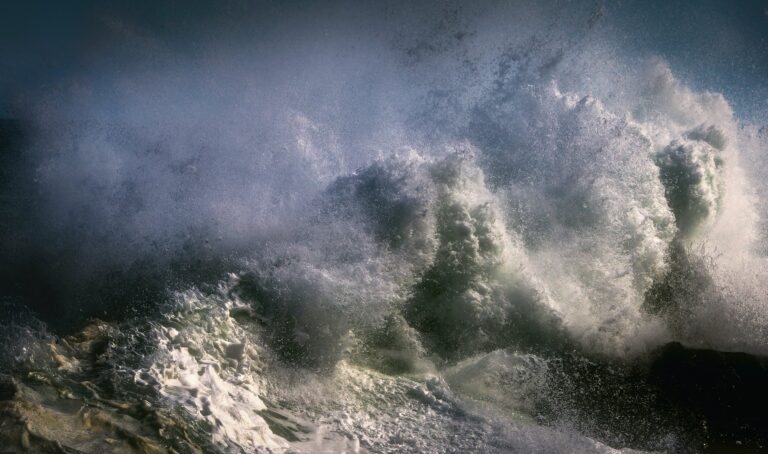
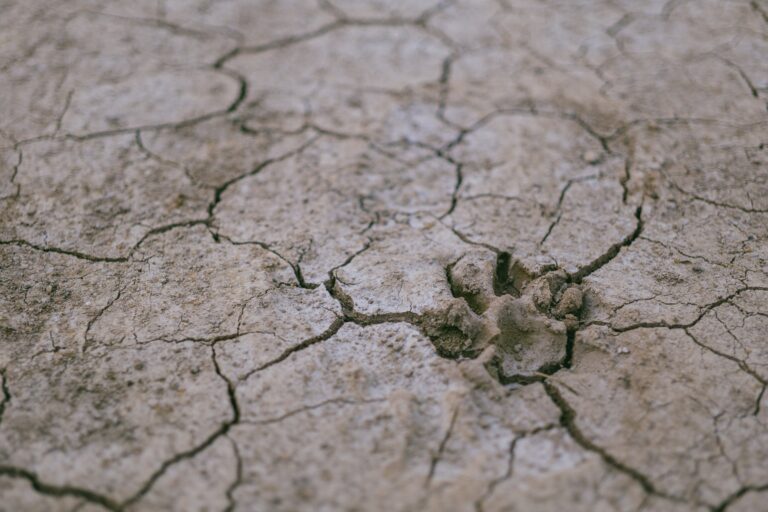
A new study from the WMO titled “From drought to deluge: WMO report highlights increasingly erratic water cycle,” says the water cycle is becoming more unpredictable and extreme. It jumps between heavy flooding and severe and worsening droughts. This damages both economies and communities, with either too much water or not enough.
Among the primary reasons are glacier melt, drought in the Amazon region, and in central, western, and eastern Africa, parts of Asia, and Central Europe, where rain has been heavier than normal.
The trend is not without consequences. “An estimated 3.6 billion people face inadequate access to water at least a month per year, and this is expected to increase to more than 5 billion by 2050, according to UN Water.”
America’s Largest Lakes
In detail, reservoirs and lakes are drying up. In the U.S.. Lake Mead and the Great Salt Lake are good examples. A relatively sharp rise in rain has hurt cocoa crops in West Africa, which supplies about half of the world’s total. Drought has affected the coffee crop in Vietnam, and Brazil has been hit by unusual changes from normal weather cycles.
Activities in some of the largest mountain ranges and the Arctic and Antarctic areas have been affected. “2024 was the third consecutive year on record where there was widespread ice loss across all glaciated regions: with 450 Gt lost – the equivalent of a huge block of ice 7 kilometers tall, 7 km wide, and 7 km deep, or enough water to fill 180 million Olympic swimming pools.”
Finally, the results endanger large numbers of people and large parts of the global economy.
More from ClimateCrisis 247
- The American Counties Missing the Most Rain This Year
- Tornado Season Looks Different Now: Is Your State on the List?
- Coldest Games in NFL History
- In America’s Largest Cities, October Can Bring Oppressive Heat and Frigid Cold