Where Global Temperatures are Rising Fastest
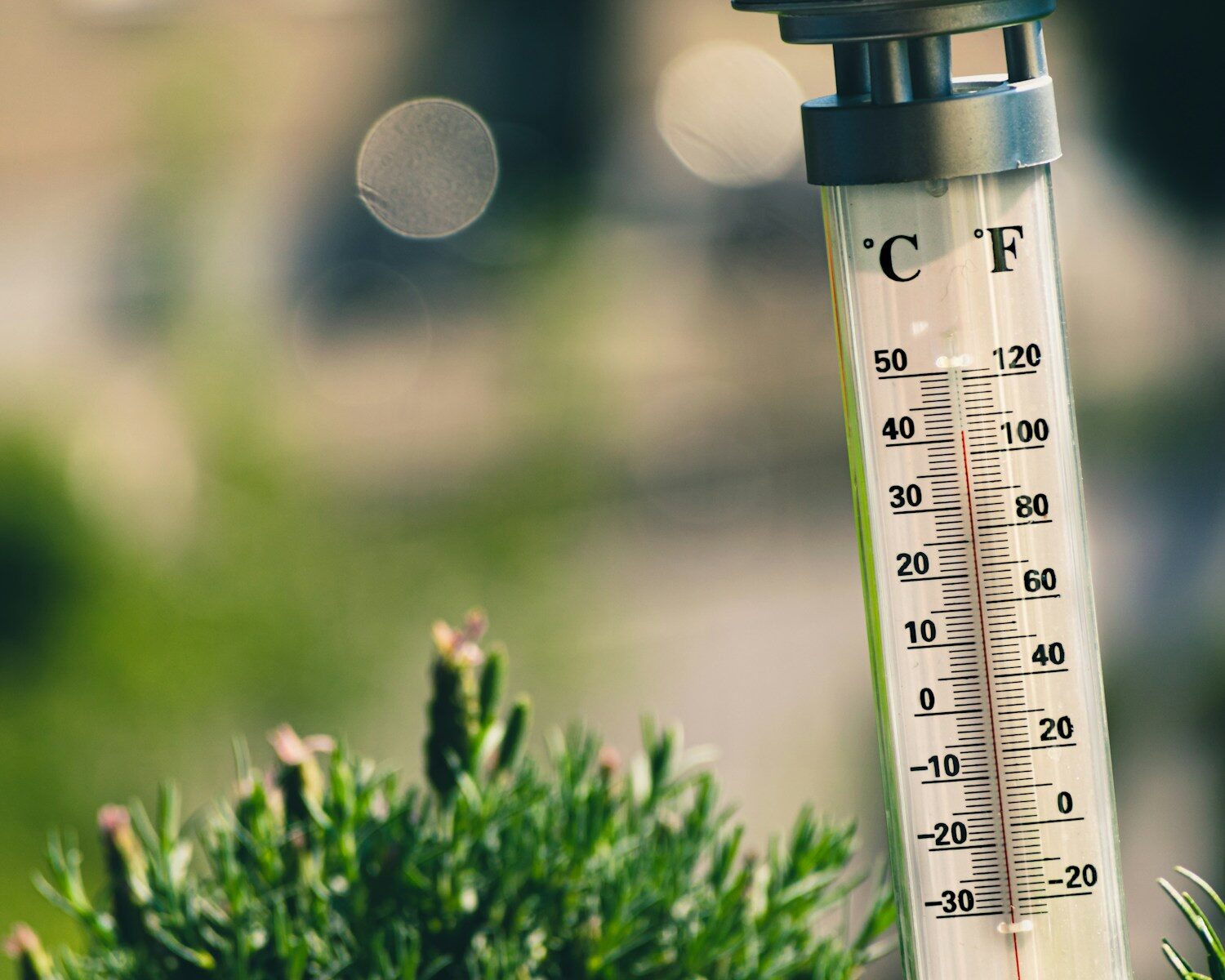
Since the start of the Industrial Revolution, global consumption of fossil fuels, like oil and coal, has surged, resulting in a rapid build up of heat-trapping emissions in the Earth’s atmosphere. This more than century-long trend is now impacting the global climate in ways that are increasingly palpable and harder to ignore.
The most direct effect of the accumulation of greenhouse gasses is a steady and unprecedented warming trend. According to researchers at NASA, global temperatures are rising 10 times faster than they would have at similar points in previous climate cycles over the last 800,000 years. It is no coincidence that each of the last 11 years rank among the 11 warmest globally since record keeping began, according to the World Meteorological Organization.
While average temperatures are only a few degrees higher today than they were decades ago, the climatological warming trend carries serious risk in much of the world. As temperatures rise, the likelihood of higher-intensity severe weather events, such as hurricanes, flooding, heatwaves, and drought, also goes up. Notably, climate change is not impacting all corners of the globe equally – and in some parts of the world, temperatures – and risks – are rising far faster than they are in others.
Using data from the National Oceanic and Atmospheric Administration, Climate Crisis 247 identified the parts of the world that are warming the fastest. We ranked all seven continents and the Arctic on their average, per decade warming rate since 1981. Supplemental data on the difference in average temperatures over the last five years and the average between 1910 and 2000 (noted as the 20th century average), as well as the warmest year on record and notable climate events from that year, are also from NOAA.

8. Antarctic
- Average rate of warming since 1981: 0.05°F per decade
- Average rate of warming since 1901: 0.07°F per decade
- Average temperature between 2021-2025: 0.5°F warmer than 20th century average
- Warmest year on record: 1980, 1.1°F warmer than 20th century average
- Notable climate events in 1980: N/A
7. Oceania
- Average rate of warming since 1981: 0.3°F per decade
- Average rate of warming since 1901: 0.2°F per decade
- Average temperature between 2021-2025: 1.8°F warmer than 20th century average
- Warmest year on record: 2024, 2.4°F warmer than 20th century average
- Notable climate events in 2024: Tropical Cyclone Megan hit Australia’s Northern Territory as a Category 3 storm, damaging infrastructure and causing widespread flooding; March 2024
6. South America
- Average rate of warming since 1981: 0.5°F per decade
- Average rate of warming since 1901: 0.2°F per decade
- Average temperature between 2021-2025: 2.3°F warmer than 20th century average
- Warmest year on record: 2023, 2024, 3.1°F warmer than 20th century average
- Notable climate events in 2023, 2024: Prolonged heat lead to widespread drought and wildfires across the continent; October 2024
5. Africa
- Average rate of warming since 1981: 0.5°F per decade
- Average rate of warming since 1901: 0.2°F per decade
- Average temperature between 2021-2025: 2.3°F warmer than 20th century average
- Warmest year on record: 2024, 3.0°F warmer than 20th century average
- Notable climate events in 2024: Torrential rains fueled severe flooding in central Africa that killed hundreds and impacted or displaced more than 2 million people; August 2024
4. North America
- Average rate of warming since 1981: 0.6°F per decade
- Average rate of warming since 1901: 0.3°F per decade
- Average temperature between 2021-2025: 3.2°F warmer than 20th century average
- Warmest year on record: 2024, 4.0°F warmer than 20th century average
- Notable climate events in 2024: Hurricane Helene made landfall in Florida as a Category 4 storm, resulting in nearly $79 billion in damage and 219 fatalities, making it the deadliest hurricane to hit the U.S. mainland since Hurricane Katrina in 2005; September 2024
3. Asia
- Average rate of warming since 1981: 0.8°F per decade
- Average rate of warming since 1901: 0.3°F per decade
- Average temperature between 2021-2025: 3.6°F warmer than 20th century average
- Warmest year on record: 2020, 4.0°F warmer than 20th century average
- Notable climate events in 2020: Typhoon Goni made landfall in the Philippines – with wind speeds up to 195 mph, it remains one of the most powerful typhoons on record; October 2020
2. Europe
- Average rate of warming since 1981: 0.9°F per decade
- Average rate of warming since 1901: 0.3°F per decade
- Average temperature between 2021-2025: 3.3°F warmer than 20th century average
- Warmest year on record: 2024, 4.1°F warmer than 20th century average
- Notable climate events in 2024: Storm Monica caused widespread flooding in southeastern France, where monthly precipitation volume was 400% of normal levels; March 2024
1. Arctic
- Average rate of warming since 1981: 1.2°F per decade
- Average rate of warming since 1901: 0.3°F per decade
- Average temperature between 2021-2025: 4.4°F warmer than 20th century average
- Warmest year on record: 2016, 5.2°F warmer than 20th century average
- Notable climate events in 2016: Minimal growth and historic melting led to one of the smallest Arctic ice extents in record; 2016
More from ClimateCrisis 247
- Wildfire Smoke SpreadsTo Detroit And New York
- 9,000 Americans Have Died From The Heat This Year
- 110 Days When It’s 100 Degrees in Phoenix
- This Country Will Be Underwater, 600,000 people Will Leave