14 Cities Where 100% Of Homes Risk Hurricane Damage
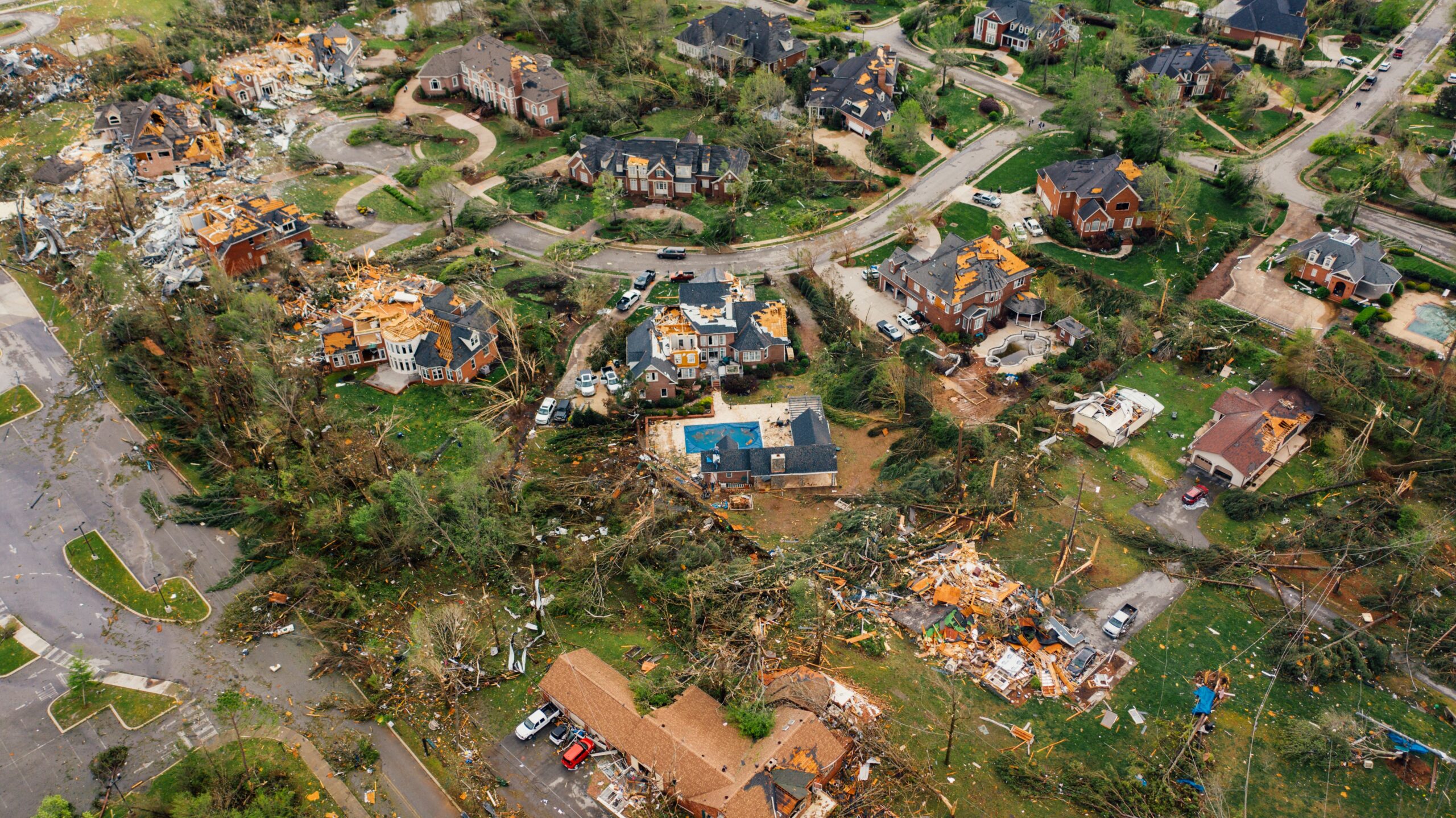
In a new climate risk report, fourteen metropolitan areas show 100% risk in terms of severe or extreme home damage. That number is among the best estimates available from expert sources. This conclusion means the value of every home in those metros is in a high wind risk zone. According to First Street Foundation, these locations have a severe or extreme likelihood of experiencing hurricane winds of 51 mph or higher during the next 30 years.
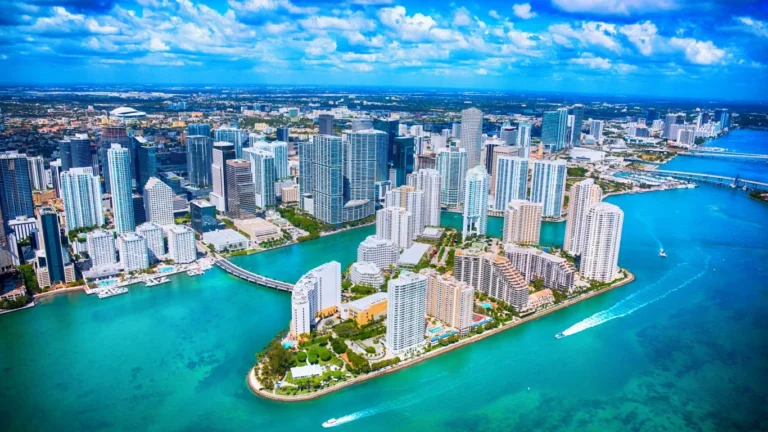
The list is dominated by Florida. Miami-Fort Lauderdale-West Palm Beach leads with $1.32 trillion at full risk. Tampa-St. Petersburg-Clearwater follows at $459 billion, Orlando at $372 billion, and Jacksonville at $240 billion. Outside Florida, Houston-Pasadena-The Woodlands shows $764 billion fully exposed, while Baton Rouge, New Orleans, Charleston, and McAllen also have 100% across their entire housing markets. Smaller metros including Lakeland-Winter Haven and Deltona-Daytona Beach make the list. Each of these cities is defined as an MSA (metropolitan statistical area) by the Office of Management and Budget (OMB)
This 100% exposure carries extremely negative consequences. Homeowners in these areas already face some of the highest home insurance in the country. Many policies come with 2% to 5% hurricane deductibles, meaning very high out-of-pocket costs before coverage activates. Flood insurance, which is usually separate, adds another sum. The combination of full wind risk and high insurance costs has radically changed how people think about homeownership.
Ironically, these metros remain major population and economic centers. Many, particularly in Florida, have posted population growth for decades. In Florida, there is no personal income tax, and some inbound residents move because of the weather.
The First Street Foundation provides a clear expert view of where wind risk has become systemic. For buyers, sellers, insurers, and policymakers, the risk profile means the cost of home ownership, in total, is much bigger than it would be in other parts of the country.
| Rank | Metro Area | Share of Value | Total Value |
| 1 | Baton Rouge, LA | 100.0% | $70.1B |
| 2 | Cape Coral-Fort Myers, FL | 100.0% | $168.0B |
| 3 | Charleston-North Charleston, SC | 100.0% | $172.6B |
| 4 | Deltona-Daytona Beach-Ormond Beach, FL | 100.0% | $103.1B |
| 5 | Houston-Pasadena-The Woodlands, TX | 100.0% | $764.3B |
| 6 | Jacksonville, FL | 100.0% | $240.1B |
| 7 | Lakeland-Winter Haven, FL | 100.0% | $73.9B |
| 8 | McAllen-Edinburg-Mission, TX | 100.0% | $41.3B |
| 9 | Miami-Fort Lauderdale-West Palm Beach, FL | 100.0% | $1,323.9B |
| 10 | New Orleans-Metairie, LA | 100.0% | $81.0B |
| 11 | North Port-Bradenton-Sarasota, FL | 100.0% | $203.0B |
| 12 | Orlando-Kissimmee-Sanford, FL | 100.0% | $372.2B |
| 13 | Palm Bay-Melbourne-Titusville, FL | 100.0% | $98.2B |
| 14 | Tampa-St. Petersburg-Clearwater, FL | 100.0% | $459.7B |
More from ClimateCrisis 247
- Cities That See 100 Degrees At Least One Day Every Year
- From NJ to Hawaii, The US Cities Hit Hardest by Coastal Flooding In Last 10 Years
- 10 US Cities Where Fall is Feeling More Like Summer
- The 15 Driest States In America